Uncategorized

Breast Pain

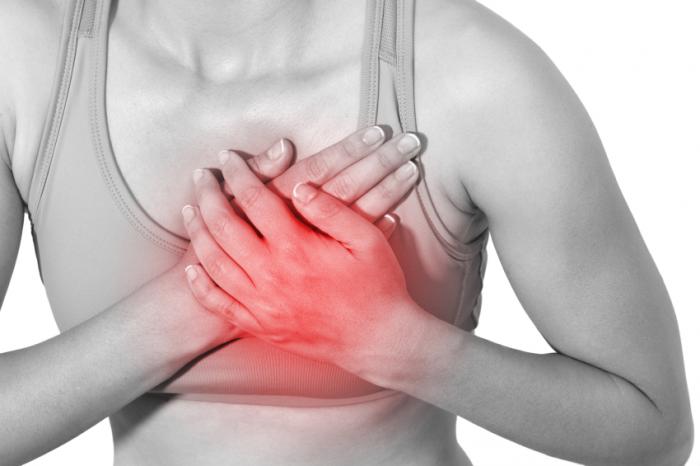
Breast painBreast pain a common complaint among women can include breast tenderness, sharp burning pain ortightness in your breast tissue. The pain may be constant or it may occur only occasionally. Breast pain can range from mild to severe. It may occur:Just a few days a month, in the two to three days leading up to your period. This normal, mild-to-moderate pain affects both breasts. A week or longer each month, starting before your period and sometimes continuing through yourmenstrual cycle. The pain may be moderate or severe, and affects both breasts. Throughout the month, not related to your menstrual cycle.Postmenopausal women sometimes have breast pain, but breast pain is more common in younger womenwho haven’t completed menopause. Most times, breast pain signals a noncancerous (benign) breast condition and rarely indicatesbreast cancer. Still, unexplained breast pain that doesn’t go away after one or two menstrualcycles or that persists after menopause needs to be evaluated by your doctor. Symptoms Breast PainMost cases of breast pain are classified as either cyclic or noncyclic. Each type of breast painhas distinct characteristics.Breast pain characteristics Usually affects both breasts, particularly the upper, outer portions, and can radiate to theunderarm Usually affects one breast, in a localized area, but may spread more diffusely across the breast Intensifies during the two weeks leading up to the start of your period, then eases up afterward Most likely to affect women after menopauseMore likely to affect women in their 20s and 30s before menopause as well as women in their 40s whoare transitioning to menopause Extramammary breast painThe term “extramammary” means “outside the breast.” Extramammary breast pain feels like it startsin the breast tissue, but its source is actually somewhere else. Pulling a muscle in your chest,for example, can cause pain in your chest wall or rib cage that spreads (radiates) to your breast. When to see a doctor?Make an appointment with your doctor if breast pain:Continues daily for more than a couple of weeks Occurs in one specific area of your breast Seems tobe getting worse over timeInterferes with daily activitiesAlthough breast cancer risk is low in women whose main symptom is breast pain, if your doctorrecommends an evaluation, it’s important to follow through. Causes of Breast PainSometimes, it’s not possible to identify the exact cause of breast pain. Contributing factors mayinclude one or more of the following: Reproductive hormonesCyclic breast pain appears to have a strong link to hormones and your menstrual cycle. Cyclicbreast pain often decreases or disappears with pregnancy or menopause. Breast structureNoncyclic breast pain often results from changes that occur in the milk ducts or milk glands. Thiscan result in the development of breast cysts. Breast trauma, prior breast surgery or other factorslocalized to the breast can lead to breast pain. Breast pain may also start outside the breast — inthe chest wall, muscles, joints or heart, for example — and radiate to the breast. Fatty acid imbalanceAn imbalance of fatty acids within the cells may affect the sensitivity of breast tissue tocirculating hormones. Medication useCertain hormonal medications, including some infertility treatments and oral birth control pills,may be associated with breast pain. Also, breast tenderness is a possible side effect of estrogenand progesterone hormone therapies that are used after menopause. Breast pain may be associatedwith certain antidepressants, including selective serotonin reuptake inhibitor (SSRI)antidepressants. Breast sizeWomen with large breasts may have noncyclic breast pain related to the size of their breasts. Neck,shoulder and back pain may accompany breast pain due to large breasts. Breast surgeryBreast pain associated with breast surgery and scar formation can sometimes linger after incisionshave healed. Diagnosis for Breast PainTests to evaluate your condition may include: Clinical breast examYour doctor checks for changes in your breasts, examining your breasts and the lymph nodes in yourlower neck and underarm. Your doctor will likely listen to your heart and lungs and check yourchest and abdomen to determine whether the pain could be related to another condition. If yourmedical history and the breast and physical exam reveal nothing unusual, you may not needadditional tests. MammogramIf your doctor feels a breast lump or unusual thickening, or detects a focused area of pain in yourbreast tissue, you’ll need an X-ray exam of your breast that evaluates the area of concern foundduring the breast exam (diagnostic mammogram). UltrasoundAn ultrasound exam uses sound waves to produce images of your breasts, and it’s often done alongwith a mammogram. You might need an ultrasound to evaluate a focused area of pain even if themammogram appears normal. Breast biopsySuspicious breast lumps, areas of thickening or unusual areas seen during imaging exams may requirea biopsy before your doctor can make a diagnosis. During a biopsy, your doctor obtains a smallsample of breast tissue from the area in question and sends it for lab analysis. Treatment for Breast PainFor many women, breast pain resolves on its own over time. You may not need any treatment. If youdo require treatment, your doctor might recommend that you: Eliminate an underlying cause or aggravating factor. This may involve a simple adjustment, such aswearing a bra with extra support. Use a topical nonsteroidal anti-inflammatory (NSAID) medication. You may need to use NSAIDs when your pain is intense. Your doctor may recommend you apply an NSAIDcream directly to the area where you feel pain. Adjust birth control pillsIf you take birth control pills, skipping the pill-free week or switching birth control methods mayhelp breast pain symptoms. But don’t try this without your doctor’s advice. Reduce the dose of menopausal hormone therapyYou might consider lowering the dose of menopausal hormone therapy or stopping it entirely.Take a prescription medication Danazol is the only prescription medication approved by the Food and Drug Administration fortreating breast pain and tenderness. However, danazol carries the risk of potentially severe sideeffects, such as acne, weight gain and voice changes, which limit its use. Tamoxifen, a prescription medication for breast cancer treatment and prevention, may be recommended for somewomen, but this drug also carries the potential for side effects that may be more bothersome thanthe breast

Breast Pain Read More »

Bile Reflux

Bile RefluxBile reflux occurs when bile a digestive liquid produced in your liver backs up (refluxes) intoyour stomach and, in some cases, into the tube that connects your mouth and stomach (esophagus).Bile reflux may accompany the reflux (backwash) of stomach acid (gastric acid) into your esophagus.Gastric reflux may lead to gastroesophageal reflux disease (GERD), a potentially serious problemthat causes irritation and inflammation of esophageal tissue (esophagitis). Bile reflux and gastric acid reflux are separate conditions. Whether bile is important in GERD iscontroversial. Bile is often a suspected of contributing to GERD when people respond incompletelyor not at all to powerful acid-suppressant medications. But there is little evidence pinpointingthe effects of bile reflux in people. Unlike gastric acid reflux, bile reflux can’t be completely controlled by changes in diet orlifestyle. Treatment involves medications or, in severe cases, surgery. Symptoms Bile RefluxBile reflux can be difficult to distinguish from gastric acid reflux. The signs and symptoms aresimilar, and the two conditions may occur at the same time. Bile reflux signs and symptoms include : When to see a doctorMake an appointment with your doctor if you frequently experience symptoms of reflux, or if you’relosing weight without trying. If you’ve been diagnosed with GERD but aren’t getting adequate relief from your medications, callyour doctor. You may need additional treatment for bile reflux. Causes of Bile RefluxBile is a greenish-yellow fluid that is essential for digesting fats and for eliminating worn-outred blood cells and certain toxins from your body. Bile is produced in your liver and stored inyour gallbladder.Eating a meal that contains even a small amount of fat signals your gallbladder to release bile,which flows through two small tubes (cystic duct and common bile duct) into the upper part of yoursmall intestine (duodenum). Bile reflux into the stomachBile and food mix in the duodenum and enter your small intestine through the pyloric valve, a heavy ring of muscle located at the outlet of your stomach. The pyloric valve usually opens only slightly enough to release about an eighth of an ounce (about 3.5 milliliters) of liquefied food ata time, but not enough to allow digestive juices to reflux into the stomach. In many cases of bile reflux, the valve doesn’t close properly, and bile washes back into the stomach. This can lead to inflammation of the stomach lining (bile reflux gastritis). Bile reflux into the esophagusBile and stomach acid can reflux into the esophagus when another muscular valve, the loweresophageal sphincter, malfunctions. The lower esophageal sphincter separates the esophagus andstomach. The valve normally opens just long enough to allow food to pass into the stomach. But ifthe valve weakens or relaxes abnormally, bile can wash back into the esophagus. What leads to Bile Reflux?Bile reflux may be caused by: Surgery complicationsGastric surgery, including total removal of the stomach (gastrectomy) and gastric bypass surgeryfor weight loss, is responsible for most bile reflux. Peptic ulcersA peptic ulcer can block the pyloric valve so that it doesn’t open enough to allow the stomach toempty as quickly as it should. Stagnant food in the stomach can lead to increased gastric pressureand allow bile and stomach acid to back up into the esophagus. Gallbladder surgery (cholecystectomy)People who have had their gallbladders removed have significantly more bile reflux than do peoplewho haven’t had this surgery. Complications of Bile RefluxBile reflux gastritis has been linked to stomach cancer. The combination of bile and acid refluxalso increases the risk of the following complications: GERDThis condition is most often due to excess acid. Although bile has been implicated, its importancein gastric acid reflux is controversial. Barrett’s esophagusThis serious condition can occur when long-term exposure to stomach acid, or to acid and bile,damages tissue in the lower esophagus. The damaged esophageal cells have an increased risk ofbecoming cancerous. Animal studies have also linked bile reflux to the occurrence of Barrett’sesophagus. Esophageal cancerThis form of cancer may not be diagnosed until it’s quite advanced. The possible link between bileand acid reflux and esophageal cancer remains controversial, but many experts think a directconnection exists. In animal studies, bile reflux alone has been shown to cause cancer of theesophagus. Diagnosis OF Bile RefluxA description of your symptoms and knowledge of your medical history is usually enough for yourdoctor to diagnose a reflux problem. But distinguishing between acid reflux and bile reflux isdifficult and requires further testing. You’re also likely to have tests to check for damage toyour esophagus and stomach, as well as for precancerous changes.Tests may include: EndoscopyA thin, flexible tube with a camera (endoscope) is passed down your throat. The endoscope can showpeptic ulcers or inflammation in your stomach and esophagus. Your doctor also may take tissuesamples to test for Barrett’s esophagus or esophageal cancer.Ambulatory acid testsThese tests use an acid-measuring probe to identify when, and for how long, acid refluxes into youresophagus. In one test, a thin, flexible tube (catheter) with a probe at the end is threaded through your noseinto your esophagus.In another test (the Bravo test), the probe is attached to the lower portion of your esophagusduring endoscopy. Ambulatory acid tests can help your doctor rule out acid reflux but not bilereflux. Esophageal impedanceThis test measures whether gas or liquids reflux into the esophagus. It’s helpful for people whoregurgitate substances that aren’t acidic (such as bile) and can’t be detected by an acid probe. Asin a standard probe test, esophageal impedance uses a probe that’s placed into the esophagus with acatheter. Treatment for Bile RefluxLifestyle adjustments and medications can be very effective for acid reflux into the esophagus, butbile reflux is harder to treat. There is little evidence assessing the effectiveness of bile refluxtreatments, in part because of the difficulty of establishing bile reflux as the cause of symptoms. Medications Ursodeoxycholic acidThis medication helps promote bile flow. It may lessen the frequency and severity of your symptoms. Bile acid sequestrantsDoctors often prescribe bile acid sequestrants, which disrupt the circulation of bile, but studiesshow that these drugs are less effective than other treatments. Side effects, such as bloating, maybe severe. Proton

Bile Reflux Read More »

Bartholin’s Cyst

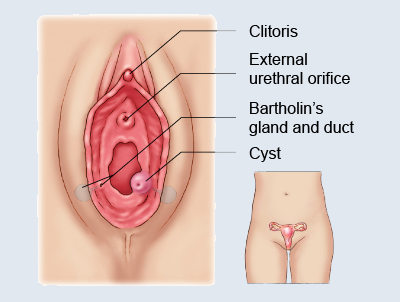
Bartholin’s CystThe Bartholin’s glands are located on each side of the vaginal opening. These glands secrete fluidthat helps lubricate the vagina.Sometimes the openings of these glands become obstructed, causing fluid to back up into the gland.The result is relatively painless swelling called a Bartholin’s cyst. If the fluid within the cystbecomes infected, you may develop a collection of pus surrounded by inflamed tissue (abscess).A Bartholin’s cyst or abscess is common. Treatment of a Bartholin’s cyst depends on the size of thecyst, how painful the cyst is and whether the cyst is infected.Sometimes home treatment is all you need. In other cases, surgical drainage of the Bartholin’s cystis necessary. If an infection occurs, antibiotics may be helpful to treat the infected Bartholin’scyst. Symptoms of Bartholin’s CystIf you have a small, noninfected Bartholin’s cyst, you may not notice it. If the cyst grows, youmight feel a lump or mass near your vaginal opening. Although a cyst is usually painless, it can betender.A full-blown infection of a Bartho-lin’s cyst can occur in a matter of days. If the cyst becomesinfected, you may experience: Causes Bartholin CystExperts believe that the cause of a Bartholin’s cyst is a backup of fluid. Fluid may accumulatewhen the opening of the gland (duct) becomes obstructed, perhaps caused by infection or injury.A Bartholin’s cyst can become infected, forming an abscess. A number of bacteria may cause theinfection, including Escherichia coli (E. coli) and bacteria that cause sexually transmittedinfections such as gonorrhea and chlamydia. Complications of Bartholin CystA Bartholin’s cyst or abscess may recur and again require treatment. PreventionThere’s no way to prevent a Bartholin’s cyst. However, safer sex practices in particular, usingcondoms and good hygiene habits may help to prevent infection of a cyst and the formation of anabscess. Diagnosis for Bartholin CystTo diagnose a Bartholin’s cyst, your doctor may:Ask questions about your medical history Perform a pelvic examTake a sample of secretions from your vagina or cervix to test for a sexually transmitted infectionRecommend a test of the mass (biopsy) to check for cancerous cells if you’re postmenopausal or over40If cancer is a concern, your doctor may refer you to a gynecologist who specializes in cancers ofthe female reproductive system. Treatment for Bartholin CystOften a Bartholin’s cyst requires no treatment especially if the cyst causes no signs or symptoms.When needed, treatment depends on the size of the cyst, your discomfort level and whether it’sinfected, which can result in an abscess. Treatment options your doctor may recommend include : Sitz bathsSoaking in a tub filled with a few inches of warm water (sitz bath) several times a day for threeor four days may help a small, infected cyst to rupture and drain on its own. Surgical drainageYou may need surgery to drain a cyst that’s infected or very large. Drainage of a cyst can be doneusing local anesthesia or sedation. AntibioticsYour doctor may prescribe an antibiotic if your cyst is infected or if testing reveals that youhave a sexually transmitted infection. But if the abscess is drained properly, you may not needantibiotics. MarsupializationIf cysts recur or bother you, a marsupialization procedure may help. Your doctor places stitches oneach side of a drainage incision to create a permanent opening less than 1/4-inch (about6-millimeter) long. An inserted catheter may be placed to promote drainage for a few days after theprocedure and help prevent recurrence. Rarely, for persistent cysts that aren’t effectively treated by the above procedures, your doctormay recommend surgery to remove the Bartholin’s gland. Surgical removal is usually done in ahospital under general anesthesia. Surgical removal of the gland carries a greater risk of bleedingor complications after the procedure. Lifestyle and home remediesDaily soaking in warm water, several times a day, may be adequate to resolve an infectedBartholin’s cyst or abscess. After a surgical procedure to treat an infected cyst or abscess, soaking in warm water isparticularly important. Sitz baths help to keep the area clean, ease discomfort and promoteeffective drainage of the cyst. Pain relievers also may be helpful. Visit us on : www.healthalert.co.za Calls us on : +27 82 0941 375Email us on : info@healthalert.co.za

Bartholin’s Cyst Read More »

Bacterial Vaginosis

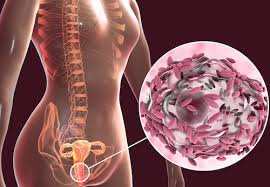
Bacterial vaginosisBacterial vaginosis is a type of vaginal inflammation caused by the overgrowth of bacterianaturally found in the vagina, which upsets the natural balance.Women in their reproductive years are most likely to get bacterial vaginosis, but it can affectwomen of any age. The cause isn’t completely understood, but certain activities, such asunprotected sex or frequent douching, increase your risk. Symptoms Bacterial VaginosisBacterial vaginosis signs and symptoms may include: Causes of Bacterial VaginosisBacterial vaginosis results from overgrowth of one of several bacteria naturally found in yourvagina. Usually, “good” bacteria (lactobacilli) outnumber “bad” bacteria (anaerobes). But if thereare too many anaerobic bacteria, they upset the natural balance of microorganisms in your vaginaand cause bacterial vaginosis. Risk factors of Bacterial VaginosisRisk factors for bacterial vaginosis include: Having multiple sex partners or a new sex partnerDoctors don’t fully understand the link between sexual activity and bacterial vaginosis, but thecondition occurs more often in women who have multiple sex partners or a new sex partner. Bacterialvaginosis also occurs more frequently in women who have sex with women. DouchingThe practice of rinsing out your vagina with water or a cleansing agent (douching) upsets thenatural balance of your vagina. This can lead to an overgrowth of anaerobic bacteria, and causebacterial vaginosis. Since the vagina is self-cleaning, douching isn’t necessary. Natural lack of lactobacilli bacteriaIf your natural vaginal environment doesn’t produce enough of the good lactobacilli bacteria,you’re more likely to develop bacterial vaginosis. Complications of Bacterial VaginosisBacterial vaginosis doesn’t generally cause complications. Sometimes, having bacterial vaginosismay lead to: Preterm birthIn pregnant women, bacterial vaginosis is linked to premature deliveries and low birth weightbabies. Sexually transmitted infectionsHaving bacterial vaginosis makes women more susceptible to sexually transmitted infections, such asHIV, herpes simplex virus, chlamydia or gonorrhea. If you have HIV, bacterial vaginosis increasesthe odds that you’ll pass the virus on to your partner. Infection risk after gynecologic surgeryHaving bacterial vaginosis may increase the risk of developing a post-surgical infection afterprocedures such as hysterectomy or dilation and curettage (D&C). Pelvic inflammatory disease (PID)Bacterial vaginosis can sometimes cause PID, an infection of the uterus and the fallopian tubesthat can increase the risk of infertility. Prevention of Bacterial VaginosisTo help prevent bacterial vaginosis: Minimize vaginal irritationUse mild, nondeodorant soaps and unscented tampons or pads. Don’t doucheYour vagina doesn’t require cleansing other than normal bathing. Frequent douching disrupts thevaginal balance and may increase your risk of vaginal infection. Douching won’t clear up a vaginalinfection. Avoid a sexually transmitted infectionUse a male latex condom, limit your number of sex partners or abstain from intercourse to minimizeyour risk of a sexually transmitted infection. Diagnosis of Bacterial VaginosisTo diagnose bacterial vaginosis, your doctor may:Ask questions about your medical historyYour doctor may ask about any previous vaginal infections or sexually transmitted infections. Perform a pelvic examDuring a pelvic exam, your doctor visually examines your vagina for signs of infection, and insertstwo fingers into your vagina while pressing on your abdomen with the other hand to check yourpelvic organs for signs that may indicate disease. Take a sample of vaginal secretionsThis may be done to check for an overgrowth of anaerobic bacteria in your vaginal flora. Yourdoctor may examine the vaginal secretions under a microscope, looking for “clue cells,” vaginalcells covered with bacteria that are a sign of bacterial vaginosis. Test your vaginal pHYour doctor may check the acidity of your vagina by placing a pH test strip in your vagina. Avaginal pH of 4.5 or higher is a sign of bacterial vaginosis Treatment of Bacterial VaginosisTo treat bacterial vaginosis, your doctor may prescribe one of the following medications: Metronidazole (Flagyl, Metrogel-Vaginal, others)This medicine may be taken as a pill by mouth (orally). Metronidazole is also available as atopical gel that you insert into your vagina. To reduce the risk of stomach upset, abdominal painor nausea while using this medication, avoid alcohol during treatment and for at least one dayafter completing treatment check the instructions on the product. Clindamycin (Cleocin, Clindesse, others)This medicine is available as a cream that you insert into your vagina. Clindamycin cream mayweaken latex condoms during treatment and for at least three days after you stop using the cream. Tinidazole (Tindamax)This medication is taken orally. Tinidazole has the same potential for stomach upset and nausea asoral metronidazole does, so avoid alcohol during treatment and for at least three days aftercompleting treatment.It’s generally not necessary to treat an infected woman’s male sexual partner, but bacterialvaginosis can spread between female sexual partners. Female partners should seek testing and mayneed treatment. It’s especially important for pregnant women with symptoms to be treated to helpdecrease the risk of premature delivery or low birth weight.Take your medicine or use the cream or gel for as long as your doctor prescribes it even ifyour symptoms go away. Stopping treatment early may increase the risk of recurrence Recurrence It’s common for bacterial vaginosis to recur within three to 12 months, despite treatment.Researchers are exploring treatments for recurrent bacterial vaginosis. If your symptoms recur soonafter treatment, talk with your doctor about treatments. One option may be extended-usemetronidazole therapy. A self-help approach is lactobacillus colonization therapy which attempts to boost the number ofgood bacteria in your vagina and re-establish a balanced vaginal environment possibly accomplishedby eating certain types of yogurt or other foods containing lactobacilli. While current researchshows there may be some benefit to probiotic therapy, more research is needed on the subject. Visit us on : www.healthalert.co.za Calls us on : +27 82 0941 375Email us on : info@healthalert.co.za

Bacterial Vaginosis Read More »

Back Pain

Back painBack pain is one of the most common reasons people go to the doctor or miss work, and it is aleading cause of disability worldwide. Most people have back pain at least once.Fortunately, you can take measures to prevent or relieve most back pain episodes. If preventionfails, simple home treatment and proper body mechanics often will heal your back within a few weeksand keep it functional. Surgery is rarely needed to treat back pain.Symptoms of Back Pain Signs and symptoms of back pain can include: Contact a doctor if your back pain : Also, see your doctor if you start having back pain for the first time after age 50, or if you havea history of cancer, osteoporosis, steroid use, or excessive drug or alcohol use. Causes of Back PainBack pain that comes on suddenly and lasts no more than six weeks (acute) can be caused by a fallor heavy lifting. Back pain that lasts more than three months (chronic) is less common than acutepain.Back pain often develops without a cause that your doctor can identify with a test or an imagingstudy. Conditions commonly linked to back pain include : Muscle or ligament strainRepeated heavy lifting or a sudden awkward movement can strain back muscles and spinal ligaments.If you’re in poor physical condition, constant strain on your back can cause painful muscle spasms. Bulging or ruptured disksDisks act as cushions between the bones (vertebrae) in your spine. The soft material inside a diskcan bulge or rupture and press on a nerve. However, you can have a bulging or ruptured disk withoutback pain. Disk disease is often found incidentally when you have spine X-rays for some otherreason. ArthritisOsteoarthritis can affect the lower back. In some cases, arthritis in the spine can lead to anarrowing of the space around the spinal cord, a condition called spinal stenosis. Skeletal irregularitiesA condition in which your spine curves to the side (scoliosis) also can lead to back pain, butgenerally not until middle age. OsteoporosisYour spine’s vertebrae can develop compression fractures if your bones become porous and brittle. Risk factors of Back PainAnyone can develop back pain, even children and teens. These factors might put you at greater riskof developing back pain: Age – Back pain is more common as you get older, starting around age 30 or 40.Lack of exercise – Weak, unused muscles in your back and abdomen might lead to back pain.Excess weight – Excess body weight puts extra stress on your back. Diseases – Some types ofarthritis and cancer can contribute to back pain. Improper lifting – Using your back instead ofyour legs can lead to back pain. Psychological conditions – People prone to depression and anxiety appear to have a greater risk ofback pain.Smoking – This reduces blood flow to the lower spine, which can keep your body from deliveringenough nutrients to the disks in your back. Smoking also slows healing.Prevention of Back Pain You might avoid back pain or prevent its recurrence by improving your physical condition andlearning and practicing proper body mechanics. To keep your back healthy and strong:ExerciseRegular low-impact aerobic activities those that don’t strain or jolt your back can increasestrength and endurance in your back and allow your muscles to function better. Walking and swimmingare good choices. Talk with your doctor about which activities you might try. Build muscle strength and flexibilityAbdominal and back muscle exercises, which strengthen your core, help condition these muscles sothat they work together like a natural corset for your back. Flexibility in your hips and upperlegs aligns your pelvic bones to improve how your back feels. Your doctor or physical therapist cantell you which exercises are right for you. Maintain a healthy weightBeing overweight strains back muscles. If you’re overweight, trimming down can prevent back pain. Quit smokingTalk to your doctor about ways to quit. Avoid movements that twist or strain your back. Use your body properly : Stand smartDon’t slouch. Maintain a neutral pelvic position. If you must stand for long periods, place onefoot on a low footstool to take some of the load off your lower back. Alternate feet. Good posturecan reduce the stress on back muscles.Sit smartChoose a seat with good lower back support, armrests and a swivel base. Placing a pillow or rolledtowel in the small of your back can maintain its normal curve. Keep your knees and hips level.Change your position frequently, at least every half-hour.Lift smartAvoid heavy lifting, if possible, but if you must lift something heavy, let your legs do the work.Keep your back straight no twisting and bend only at the knees. Hold the load close to your body.Find a lifting partner if the object is heavy or awkward. Beware of Certain ProductsBecause back pain is so common, numerous products promise prevention or relief. But there’s nodefinitive evidence that special shoes, shoe inserts, back supports, specially designed furnitureor stress management programs can help. In addition, there doesn’t appear to be one type of mattress that’s best for people with back pain.It’s probably a matter of what feels most comfortable to you. Diagnosis OF Back PainYour doctor will examine your back and assess your ability to sit, stand, walk and lift your legs.Your doctor might also ask you to rate your pain on a scale of zero to 10 and talk to you about howwell you’re functioning with your pain. These assessments help determine where the pain comes from, how much you can move before painforces you to stop and whether you have muscle spasms. They can also help rule out more -seriouscauses of back pain. If there is reason to suspect that a specific condition is causing your back pain, your doctormight order one or more tests : X-rayThese images show the alignment of your bones and whether you have arthritis or broken bones. Theseimages alone won’t show problems with your spinal cord, muscles, nerves or disks. MRI or CT scansThese scans generate images that can reveal herniated disks or problems with bones, muscles,tissue, tendons, nerves, ligaments and blood vessels. Blood testsThese

Back Pain Read More »

Asthma Attack

Asthma attackDuring an asthma attack, also called an asthma exacerbation, the airways become swollen andinflamed. The muscles around the airways contract and the airways produce extra mucus, causing thebreathing (bronchial) tubes to narrow.During an attack, you may cough, wheeze and have trouble breathing. Symptoms of a minor asthmaattack get better with prompt home treatment. A severe asthma attack that doesn’t improve with hometreatment can become a life-threatening emergency.The key to stopping an asthma attack is recognizing and treating an asthma flare-up early. Followthe treatment plan you worked out with your doctor ahead of time. Your treatment plan shouldinclude what to do when your asthma starts getting worse, and how to deal with an asthma attack inprogress. Symptoms of Asthma attackAsthma attack signs and symptoms include: When to see a doctorIf your asthma flares up, immediately follow the treatment steps you and your doctor worked out inyour written asthma plan. If your symptoms and peak expiratory flow (PEF) readings improve, hometreatment may be all that’s needed. If your symptoms don’t improve with home treatment, you mayneed to seek emergency care.When your asthma symptoms flare up, follow your written asthma plan’s instructions for using yourquick-acting (rescue) inhaler. PEF readings ranging from 51% to 79% of your personal best are asign you need to use the quick-acting (rescue) medications prescribed by your doctor. Causes of Asthma AttackAn overly sensitive immune system makes your airways (bronchial tubes) become inflamed and swollenwhen you’re exposed to certain triggers. Asthma triggers vary from person to person. Common asthmaattack triggers include: Risk factors of Asthma AttackAnyone who has asthma is at risk of an asthma attack. You may be at increased risk of a seriousasthma attack if : While you may not be able to eliminate your risk of an asthma attack, you’re less likely to haveone if your current treatment keeps your asthma under control. Take your inhaled medications asprescribed in your written asthma plan. These preventive medications treat the airway inflammation that causes asthma signs and symptoms.Taken on a daily basis, these medications can reduce or eliminate asthma flare-ups and your need touse a quick-acting inhaler. See your doctor if you’re following your asthma action plan but still have frequent or bothersomesymptoms or low peak flow readings. These are signs your asthma isn’t well controlled, and you needto work with your doctor to change your treatment. If your asthma symptoms flare up when you have a cold or the flu, take steps to avoid an asthmaattack by watching your lung function and symptoms and adjusting your treatment as needed. Be sureto reduce exposure to your allergy triggers, and wear a face mask when exercising in cold weather. Diagnosis of Asthma AttackFor adults and children over 5 years old, lung (pulmonary) function tests are used to check howwell the lungs are working. Poor lung function is a sign that your asthma isn’t well controlled. Insome cases, lung function tests are also used in asthma emergencies to help your doctor understandthe severity of an asthma attack or how well treatment is working. Lung function tests include :Peak flowYour doctor may take a peak flow reading when you come in for a scheduled visit or for emergencytreatment during an asthma attack. This test measures how quickly you can breathe out. You may alsouse a peak flow meter at home to monitor your lung function.The results of this test are known as peak expiratory flow (PEF). A peak flow test is done byblowing into a mouthpiece as hard and as fast as you can with a single breath (expiration). SpirometryDuring spirometry, you take deep breaths and forcefully exhale into a hose connected to a machinecalled a spirometer. A common spirometry measurement is forced expiratory volume, which measureshow much air you can breathe out in one second. The results of this test are known as forced expiratory volume (FEV). Spirometry can also measurehow much air your lungs can hold and the rate at which you can inhale and exhale. Nitric oxide measurementThis exam measures the amount of nitric oxide gas you have in your breath when you exhale. Highnitric oxide readings indicate inflammation of the bronchial tubes. Pulse oximetryThis test measures the amount of oxygen in your blood. It’s measured through your fingernail andonly takes seconds. Treatment of Asthma AttackIf you and your doctor have worked out an asthma plan, follow its directions at the first sign ofan asthma attack.This generally means taking two to six puffs of a quick-acting (rescue) inhaler to getairway-expanding medication, such as albuterol (ProAir HFA, Proventil HFA, Ventolin HFA, others)and levalbuterol (Xopenex), deep into your lungs. Small children and those who have trouble withinhalers can use a nebulizer. After 20 minutes, you can repeat the treatment one time if necessary.If you continue to wheeze or feel breathless after treatment, visit your doctor or urgent care thatday.If you’re having symptoms of a severe asthma attack, such as difficulty speaking because you’re soshort of breath, use your quick-acting (rescue) medication and get to a doctor’s office or urgentcare immediately.Your doctor may recommend that you continue to use quick-acting medication every three to fourhours for a day or two after the attack. You might also need to take oral corticosteroid medicationfor a short time. Emergency treatment of Asthma AttackIf you go to the emergency room for an asthma attack in progress, you’ll need medications to getyour asthma under immediate control. These can include : Short-acting beta agonists, such as albuterolThese are the same medications as those in your quick-acting (rescue) inhaler. You may need to usea machine called a nebulizer, which turns the medication into a mist that can be inhaled deep intoyour lungs. Oral corticosteroidsTaken in pill form, these medications help reduce lung inflammation and get your asthma symptoms under control. Corticosteroids can also be given intravenously, typically to patients who arevomiting or who are experiencing respiratory failure. Ipratropium (Atrovent HFA)Ipratropium is sometimes used as a bronchodilator to treat a severe asthma attack, especially ifalbuterol is not fully effective. Intubation, mechanical ventilation and oxygenIf your asthma attack

Asthma Attack Read More »

Allergies

AllergiesAllergies occur when your immune system reacts to a foreign substance such as pollen, bee venom orpet dander or a food that doesn’t cause a reaction in most people.Your immune system produces substances known as antibodies. When you have allergies, your immunesystem makes antibodies that identify a particular allergen as harmful, even though it isn’t. Whenyou come into contact with the allergen, your immune system’s reaction can inflame your skin,sinuses, airways or digestive system.The severity of allergies varies from person to person and can range from minor irritation toanaphylaxis a potentially life-threatening emergency. While most allergies can’t be cured,treatments can help relieve your allergy symptoms. Symptoms of AllergiesAllergy symptoms, which depend on the substance involved, can affect your airways, sinuses andnasal passages, skin, and digestive system. Allergic reactions can range from mild to severe. Insome severe cases, allergies can trigger a life-threatening reaction known as anaphylaxis. Hay fever, also called allergic rhinitis, can cause: Atopic dermatitis, an allergic skin condition also called eczema, can cause skin to: Some types of allergies, including allergies to foods and insect stings, can trigger a severereaction known as anaphylaxis. A life-threatening medical emergency, anaphylaxis can cause you togo into shock. Signs and symptoms of anaphylaxis include: When to see a doctor ? You might see a doctor if you have symptoms, you think are caused by an allergy, andover-the-counter allergy medications don’t provide enough relief. If you have symptoms afterstarting a new medication, call the doctor who prescribed it right away. For a severe allergic reaction (anaphylaxis), call 01077 or 112 for South Africa and 999 or 112 or114 for Zimbabwe. If you carry an epinephrine auto-injector (Auvi-Q, EpiPen, others), give yourselfa shot right away. Even if your symptoms improve after an epinephrine injection, you should go to the emergencydepartment to make sure symptoms don’t return when the effects of the injection wear off. If you’ve had a severe allergy attack or any signs and symptoms of anaphylaxis in the past, make anappointment to see your doctor. Evaluation, diagnosis and long-term management of anaphylaxis arecomplicated, so you’ll probably need to see a doctor who specializes in allergies and immunology. Causes of AllergiesAn allergy starts when your immune system mistakes a normally harmless substance for a dangerousinvader. The immune system then produces antibodies that remain on the alert for that particularallergen. When you’re exposed to the allergen again, these antibodies can release a number ofimmune system chemicals, such as histamine, that cause allergy symptoms. Common allergy triggers include: ComplicationsHaving an allergy increases your risk of certain other medical problems, including: Prevention of AllergiesPreventing allergic reactions depends on the type of allergy you have. General measures include thefollowing: Diagnosis of AllergiesTo evaluate whether you have an allergy, your doctor will likely to perform some tests : Skin test.A doctor or nurse will prick your skin and expose you to small amounts of the proteins found inpotential allergens. If you’re allergic, you’ll likely develop a raised bump (hive) at the testlocation on your skin. Blood test.Specific IgE (sIgE) blood testing, commonly called radioallergosorbent test (RAST) or ImmunoCAPtesting, measures the amount of allergy-causing antibodies in your bloodstream, known asimmunoglobulin E (IgE) antibodies. A blood sample is sent to a medical laboratory, where it can betested for evidence of sensitivity to possible allergens.If your doctor suspects your problems are caused by something other than an allergy, other testsmight help identify or rule out other medical problems. Treatment for AllergiesAllergy treatments include : Allergen avoidance.Your doctor will help you take steps to identify and avoid your allergy triggers. This is generallythe most important step in preventing allergic reactions and reducing symptoms. Medications.Depending on your allergy, medications can help reduce your immune system reaction and easesymptoms. Your doctor might suggest over-the-counter or prescription medication in the form ofpills or liquid, nasal sprays, or eyedrops. Immunotherapy.For severe allergies or allergies not completely relieved by other treatment, your doctor mightrecommend allergen immunotherapy. This treatment involves a series of injections of purifiedallergen extracts, usually given over a period of a few years.Another form of immunotherapy is a tablet that’s placed under the tongue (sublingual) until itdissolves. Sublingual drugs are used to treat some pollen allergies. Emergency epinephrine.If you have a severe allergy, you might need to carry an emergency epinephrine shot at all time s.Given for severe allergic reactions, an epinephrine shot (Auvi-Q, EpiPen, others) can reducesymptoms until you get emergency treatment. Lifestyle and home remediesSome allergy symptoms improve with home treatment. Sinus congestion and hay fever symptoms.These often improve with saline nasal irrigation rinsing out the sinuses with a salt and watersolution. You can use a neti pot or a specially designed squeeze bottle to flush out thickenedmucus and irritants from your nose. However, improper use of a neti pot or other device can lead toinfection. Household airborne allergy symptoms.Reduce your exposure to dust mites or pet dander by frequently washing bedding and stuffed toys inhot water, maintaining low humidity, regularly using a vacuum with a fine filter such as ahigh-efficiency particulate air (HEPA) filter and replacing carpeting with hard flooring. Mold allergy symptoms.Reduce moisture in damp areas, such as your bath and kitchen, by using ventilation fans anddehumidifiers. Fix leaks inside and outside your home Visit us on : www.healthalert.co.za Calls us on : +27 82 0941 375Email us on : info@healthalert.co.za

Allergies Read More »

Arthritis

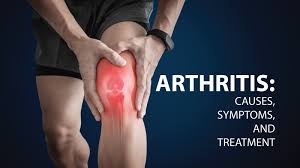
ArthritisArthritis is the swelling and tenderness of one or more of your joints. The main symptoms ofarthritis are joint pain and stiffness, which typically worsen with age. The most common types ofarthritis are osteoarthritis and rheumatoid arthritis.Osteoarthritis causes cartilage the hard, slippery tissue that covers the ends of bones where theyform a joint to break down. Rheumatoid arthritis is a disease in which the immune system attacksthe joints, beginning with the lining of joints.Uric acid crystals, which form when there’s too much uric acid in your blood, can cause gout.Infections or underlying disease, such as psoriasis or lupus, can cause other types of arthritis.Treatments vary depending on the type of arthritis. The main goals of arthritis treatments are toreduce symptoms and improve quality of life. Symptoms of ArthritisThe most common signs and symptoms of arthritis involve the joints. Depending on the type ofarthritis you have, your signs and symptoms may include: Osteoarthritis also affects the entire joint. It causes changes in the bones and deterioration ofthe connective tissues that attach muscle to bone and hold the joint together. It also causesinflammation of the joint lining. Rheumatoid arthritisIn rheumatoid arthritis, the body’s immune system attacks the lining of the joint capsule, a toughmembrane that encloses all the joint parts. This lining (synovial membrane) becomes inflamed andswollen. The disease process can eventually destroy cartilage and bone within the joint. Risk factors of Arthritis Risk factors for arthritis include:Family history. Some types of arthritis run in families, so you may be more likely to developarthritis if your parents or siblings have the disorder. Your genes can make you more susceptibleto environmental factors that may trigger arthritis. AgeThe risk of many types of arthritis including osteoarthritis, rheumatoid arthritis and goutincreases with age. Your sexWomen are more likely than men to develop rheumatoid arthritis, while most of the people who havegout, another type of arthritis, are men. Previous joint injuryPeople who have injured a joint, perhaps while playing any sort of sport, are more likely toeventually develop arthritis in that joint. ObesityCarrying excess pounds puts stress on joints, particularly your knees, hips and spine. People withobesity have a higher risk of developing arthritis. Complications of ArthritisSevere arthritis, particularly if it affects your hands or arms, can make it difficult for you todo daily tasks. Arthritis of weight-bearing joints can keep you from walking comfortably or sittingup straight. In some cases, joints may become twisted and deformed. Diagnosis of ArthritisDuring the physical exam, your doctor will check your joints for swelling, redness and warmth. Heor she will also want to see how well you can move your joints. Depending on the type of arthritis suspected, your doctor may suggest some of the following tests. Laboratory testsThe analysis of different types of body fluids can help pinpoint the type of arthritis you mayhave. Fluids commonly analyzed include blood, urine and joint fluid. To obtain a sample of yourjoint fluid, your doctor will cleanse and numb the area before inserting a needle in your jointspace to withdraw some fluid. ImagingThese types of tests can detect problems within your joint that may be causing your symptoms.Examples include : X-rays – Using low levels of radiation to visualize bone, X-rays can show cartilage loss, bonedamage and bone spurs. X-rays may not reveal early arthritic damage, but they are often used totrack progression of the disease. Computerized tomography (CT) – CT scanners take X-rays from many different angles and combine theinformation to create cross-sectional views of internal structures. CTs can visualize both bone andthe surrounding soft tissues. Magnetic resonance imaging (MRI) – Combining radio waves with a strong magnetic field, MRI canproduce more-detailed cross-sectional images of soft tissues such as cartilage, tendons andligaments. Ultrasound – This technology uses high-frequency sound waves to image soft tissues, cartilage andfluid-containing structures near the joints (bursae). Ultrasound is also used to guide needleplacement for joint aspirations and injections.Treatment of Arthritis N.B – Arthritis treatment focuses on relieving symptoms and improving joint function. You may needto try several different treatments, or combinations of treatments, before you determine what worksbest for you. MedicationsThe medications used to treat arthritis vary depending on the type of arthritis. Commonly usedarthritis medications include: PainkillersThese medications help reduce pain, but have no effect on inflammation. An over-the-counter optionsuch as acetaminophen. For more-severe pain, opioids might be prescribed, such as tramadol (Ultram, ConZip), oxycodone(OxyContin, Roxicodone, others) or hydrocodone (Hysingla, Zohydro ER). Opioids act on the centralnervous system to relieve pain.N.B – When opioids are used for a long time, they may become habit-forming, causing mental orphysical dependence. Nonsteroidal anti-inflammatory drugs (NSAIDs)NSAIDs reduce both pain and inflammation. Over-the-counter NSAIDs include ibuprofen (Advil, MotrinIB, others) and naproxen (Aleve). Some types of NSAIDs are available only by prescription.Oral NSAIDs can cause stomach irritation and may increase your risk of heart attack or stroke. SomeNSAIDs are also available as creams or gels, which can be rubbed on joints. CounterirritantsSome varieties of creams and ointments contain menthol or capsaicin, the ingredient that makes hotpeppers spicy. Rubbing these preparations on the skin over your aching joint may interfere with thetransmission of pain signals from the joint itself. Disease-modifying antirheumatic drugs (DMARDs)Often used to treat rheumatoid arthritis, DMARDs slow or stop your immune system from attackingyour joints. Examples include methotrexate (Trexall, Rasuvo, others) and hydroxychloroquine(Plaquenil). Biologic response modifiersTypically used in conjunction with DMARDs, biologic response modifiers are genetically engineereddrugs that target various protein molecules that are involved in the immune response. There are many types of biologic response modifiersTumor necrosis factor (TNF) inhibitors are commonly prescribed. Examples include etanercept(Enbrel, Erelzi, Eticovo) and infliximab (Remicade, Inflectra, others).Other medications target other substances that play a role in inflammation, such as interleukin-1(IL-1), interleukin-6 (IL-6), Janus kinase enzymes, and certain types of white blood cells known asB cells and T cells. CorticosteroidsThis class of drugs, which includes prednisone (Prednisone Intensol, Rayos) and cortisone (Cortef),reduces inflammation and suppresses the immune system. Corticosteroids can be taken orally or canbe injected directly into the painful joint. TherapyPhysical therapy can be helpful for some types of arthritis.

Arthritis Read More »

Dysmenorrhea

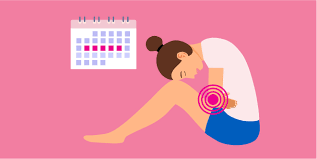
Dysmenorrhea is the medical term for menstrual cramps, or the pain that many women have just before or at the beginning of their periods. This pain usually is not serious. Symptoms of menstrual cramps Menstrual cramps can feel like a dull ache in the abdomen, lower back, hips or inner thighs. The pain may start just before your period or at the beginning of your period and can last 1 to 3 days. The pain may be bad enough to keep you from doing your normal activities. More serious problem Talk to your doctor if you have any of the following symptoms:   Painful periods that started later in life Pain at times other than the first couple of days of your period Unusual vaginal discharge or bleeding Pain that doesn”t go away when you take medicine to relieve it What causes dysmenorrhea? There are two types of dysmenorrhea: Primary dysmenorrhea is pain caused by common menstrual cramps. Secondary dysmenorrhea is pain caused by a disease or condition, such as infection, ovarian cysts (fluid-filled sacs in the ovary), or endometriosis , a problem with the lining of the uterus. Treatment How are painful periods treated? You can try using heating pads or taking a warm bath. You can buy medicines without a prescription to help with the symptoms of PMS. These medicines usually combine aspirin or acetaminophen with caffeine, antihistamines or diuretics. Some brand names include Midol, Pamprin and Premsyn PMS.   Over-the-counter pain relievers can also help with the pain. These include ibuprofen and naproxen . These medicines work well for mild or moderate pain. If these don”t help, you can talk to your doctor about a stronger pain reliever.   Your doctor might want you to try using birth control pills or a birth control shot. These medicines can make your periods less painful.

Dysmenorrhea Read More »

Anemia

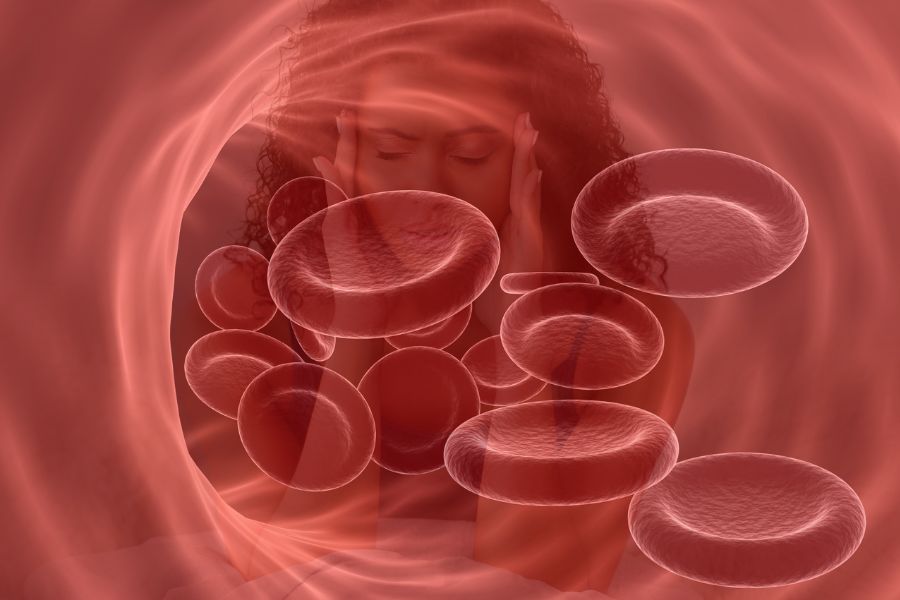
Anemia is a condition in which you don’t have enough healthy red blood cells to carry adequate oxygen to your tissues. Having anemia may make you feel tired and weak. There are many forms of anemia, each with its own cause. Loss of blood is the most common cause of anemia. Anemia can be temporary or long term, and it can range from mild to severe. Treatments for anemia range from taking supplements to undergoing medical procedures. You may be able to prevent some types of anemia by eating a healthy, varied diet. N.B – See your doctor if you suspect you have anemia because anemia can be a sign of serious illnesses.   SYMPTOMS Anemia symptoms vary depending on the cause of your anemia but may include: Fatigue Weakness Pale skin A fast or irregular heartbeat Shortness of breath Chest pain Dizziness Cognitive problems Cold hands and feet Headache Initially, anemia can be so mild it goes unnoticed. But symptoms increase as anemia worsens.   When to see a doctor Make an appointment with your doctor if you’re feeling fatigued for unexplained reasons. Some anemias, such as iron deficiency anemia or vitamin B-12 deficiency, are common. Fatigue has many causes besides anemia, so don’t assume that if you’re tired you must be anemic. Some people learn that their hemoglobin is low, which indicates anemia, when they go to donate blood. Low hemoglobin may be a temporary problem remedied by eating more iron-rich foods or taking a multivitamin containing iron. It may also be a warning sign of bleeding in your body that may be causing you to be deficient in iron. If you’re told that you can’t donate blood because of low hemoglobin, make an appointment with your doctor.   CAUSES Anemia occurs when your blood doesn’t have enough red blood cells. This can happen if:   * Your body doesn’t make enough red blood cells * Bleeding causes you to lose red blood cells more quickly than they can be replaced * Your body destroys red blood cells What red blood cells do Your body makes three types of blood cells , white blood cells to fight infection, platelets to help your blood clot and red blood cells to carry oxygen throughout your body. Red blood cells contain hemoglobin — a red, iron-rich protein that gives blood its red color. Hemoglobin enables red blood cells to carry oxygen from your lungs to all parts of your body and to carry carbon dioxide from other parts of the body to your lungs so that it can be exhaled.   Most blood cells, including red blood cells, are produced regularly in your bone marrow , a red, spongy material found within the cavities of many of your large bones. To produce hemoglobin and red blood cells, your body needs iron, vitamin B-12, folate and other nutrients from the foods you eat. Causes of common types of anemia Common types of anemia and their causes include: Iron deficiency anemia – Iron deficiency anemia is caused by a shortage of the element iron in your body. Your bone marrow needs iron to make hemoglobin. Without adequate iron, your body can’t produce enough hemoglobin for red blood cells.   This type of anemia is often caused by blood loss, such as from heavy menstrual bleeding, an ulcer, cancer, a polyp somewhere in your digestive system, and prolonged use of aspirin or drugs known as nonsteroidal anti-inflammatory drugs (NSAIDs).   Vitamin deficiency anemias – In addition to iron, your body needs folate and vitamin B-12 to produce sufficient numbers of healthy red blood cells. A diet lacking in these and other key nutrients can cause decreased red blood cell production. Additionally, some people may eat enough B-12, but their bodies aren’t able to process the vitamin. This can lead to vitamin deficiency anemia, also known as pernicious anemia. Anemia of chronic disease – Certain chronic diseases,such as cancer, HIV/AIDS, rheumatoid arthritis, Crohn’s disease and other chronic inflammatory diseases can interfere with the production of red blood cells, resulting in chronic anemia. Kidney failure also can cause anemia. Aplastic anemia – This very rare life-threatening anemia is caused by a decrease in the bone marrow’s ability to produce red blood cells. Causes of aplastic anemia include infections, drugs and autoimmune diseases. Anemias associated with bone marrow disease. A variety of diseases, such as leukemia, myelodysplasia or myelofibrosis, can cause anemia by affecting blood production in your bone marrow. The effects of these types of cancer and cancer-like disorders vary from a mild alteration in blood production to a complete life-threatening shutdown of the blood-making process. Other cancers of the blood or bone marrow ,such as multiple myeloma, myeloproliferative disorders and lymphoma also can cause anemia. Hemolytic anemias – This group of anemias develops when red blood cells are destroyed faster than bone marrow can replace them. Certain blood diseases can cause increased red blood cell destruction. You can inherit a hemolytic anemia, or you can develop it later in life.   Sickle cell anemia. This inherited and sometimes serious anemia is caused by a defective form of hemoglobin that forces red blood cells to assume an abnormal crescent (sickle) shape. These irregular-shaped red blood cells die prematurely, resulting in a chronic shortage of red blood cells.   Other anemias. There are several other rarer forms of anemia, such as thalassemia and anemias caused by defective hemoglobin. RISK FACTORS OF ANEMIA These factors place you at increased risk of anemia: A diet lacking in certain vitamins. Choosing a diet that is consistently low in iron, vitamin B-12 and folate increases your risk of anemia. Intestinal disorders. Having an intestinal disorder that affects the absorption of nutrients in your small intestine  such as Crohn’s disease and celiac disease puts you at risk of anemia. Surgical removal of or surgery to the parts of your small intestine where nutrients are absorbed can lead to nutrient deficiencies and anemia. Menstruation. In general, women who haven’t experienced menopause have

Anemia Read More »