
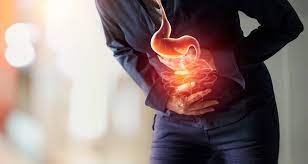
Bile Reflux
Bile reflux occurs when bile a digestive liquid produced in your liver backs up (refluxes) into
your stomach and, in some cases, into the tube that connects your mouth and stomach (esophagus).
Bile reflux may accompany the reflux (backwash) of stomach acid (gastric acid) into your esophagus.
Gastric reflux may lead to gastroesophageal reflux disease (GERD), a potentially serious problem
that causes irritation and inflammation of esophageal tissue (esophagitis).
Bile reflux and gastric acid reflux are separate conditions. Whether bile is important in GERD is
controversial. Bile is often a suspected of contributing to GERD when people respond incompletely
or not at all to powerful acid-suppressant medications. But there is little evidence pinpointing
the effects of bile reflux in people.
Unlike gastric acid reflux, bile reflux can’t be completely controlled by changes in diet or
lifestyle. Treatment involves medications or, in severe cases, surgery.
Symptoms Bile Reflux
Bile reflux can be difficult to distinguish from gastric acid reflux. The signs and symptoms are
similar, and the two conditions may occur at the same time.
Bile reflux signs and symptoms include :
- Upper abdominal pain that may be severe
- Frequent heartburn a burning sensation in your chest that sometimes spreads to your throat,
along with a sour taste in your mouth - Nausea
- Vomiting a greenish-yellow fluid (bile)
- Occasionally, a cough or hoarseness
- Unintended weight loss
When to see a doctor
Make an appointment with your doctor if you frequently experience symptoms of reflux, or if you’re
losing weight without trying.
If you’ve been diagnosed with GERD but aren’t getting adequate relief from your medications, call
your doctor. You may need additional treatment for bile reflux.
Causes of Bile Reflux
Bile is a greenish-yellow fluid that is essential for digesting fats and for eliminating worn-out
red blood cells and certain toxins from your body. Bile is produced in your liver and stored in
your gallbladder.
Eating a meal that contains even a small amount of fat signals your gallbladder to release bile,
which flows through two small tubes (cystic duct and common bile duct) into the upper part of your
small intestine (duodenum).
Bile reflux into the stomach
Bile and food mix in the duodenum and enter your small intestine through the pyloric valve, a heavy ring of muscle located at the outlet of your stomach. The pyloric valve usually opens only slightly enough to release about an eighth of an ounce (about 3.5 milliliters) of liquefied food at
a time, but not enough to allow digestive juices to reflux into the stomach. In many cases of bile reflux, the valve doesn’t close properly, and bile washes back into the stomach. This can lead to inflammation of the stomach lining (bile reflux gastritis).
Bile reflux into the esophagus
Bile and stomach acid can reflux into the esophagus when another muscular valve, the lower
esophageal sphincter, malfunctions. The lower esophageal sphincter separates the esophagus and
stomach. The valve normally opens just long enough to allow food to pass into the stomach. But if
the valve weakens or relaxes abnormally, bile can wash back into the esophagus.
What leads to Bile Reflux?
Bile reflux may be caused by:
Surgery complications
Gastric surgery, including total removal of the stomach (gastrectomy) and gastric bypass surgery
for weight loss, is responsible for most bile reflux.
Peptic ulcers
A peptic ulcer can block the pyloric valve so that it doesn’t open enough to allow the stomach to
empty as quickly as it should. Stagnant food in the stomach can lead to increased gastric pressure
and allow bile and stomach acid to back up into the esophagus.
Gallbladder surgery (cholecystectomy)
People who have had their gallbladders removed have significantly more bile reflux than do people
who haven’t had this surgery.
Complications of Bile Reflux
Bile reflux gastritis has been linked to stomach cancer. The combination of bile and acid reflux
also increases the risk of the following complications:
GERD
This condition is most often due to excess acid. Although bile has been implicated, its importance
in gastric acid reflux is controversial.
Barrett’s esophagus
This serious condition can occur when long-term exposure to stomach acid, or to acid and bile,
damages tissue in the lower esophagus. The damaged esophageal cells have an increased risk of
becoming cancerous. Animal studies have also linked bile reflux to the occurrence of Barrett’s
esophagus.
Esophageal cancer
This form of cancer may not be diagnosed until it’s quite advanced. The possible link between bile
and acid reflux and esophageal cancer remains controversial, but many experts think a direct
connection exists. In animal studies, bile reflux alone has been shown to cause cancer of the
esophagus.
Diagnosis OF Bile Reflux
A description of your symptoms and knowledge of your medical history is usually enough for your
doctor to diagnose a reflux problem. But distinguishing between acid reflux and bile reflux is
difficult and requires further testing. You’re also likely to have tests to check for damage to
your esophagus and stomach, as well as for precancerous changes.
Tests may include:
Endoscopy
A thin, flexible tube with a camera (endoscope) is passed down your throat. The endoscope can show
peptic ulcers or inflammation in your stomach and esophagus. Your doctor also may take tissue
samples to test for Barrett’s esophagus or esophageal cancer.
Ambulatory acid tests
These tests use an acid-measuring probe to identify when, and for how long, acid refluxes into your
esophagus.
In one test, a thin, flexible tube (catheter) with a probe at the end is threaded through your nose
into your esophagus.
In another test (the Bravo test), the probe is attached to the lower portion of your esophagus
during endoscopy. Ambulatory acid tests can help your doctor rule out acid reflux but not bile
reflux.
Esophageal impedance
This test measures whether gas or liquids reflux into the esophagus. It’s helpful for people who
regurgitate substances that aren’t acidic (such as bile) and can’t be detected by an acid probe. As
in a standard probe test, esophageal impedance uses a probe that’s placed into the esophagus with a
catheter.
Treatment for Bile Reflux
Lifestyle adjustments and medications can be very effective for acid reflux into the esophagus, but
bile reflux is harder to treat. There is little evidence assessing the effectiveness of bile reflux
treatments, in part because of the difficulty of establishing bile reflux as the cause of symptoms.
Medications Ursodeoxycholic acid
This medication helps promote bile flow. It may lessen the frequency and severity of your symptoms.
Bile acid sequestrants
Doctors often prescribe bile acid sequestrants, which disrupt the circulation of bile, but studies
show that these drugs are less effective than other treatments. Side effects, such as bloating, may
be severe.
Proton pump inhibitors
These medications are often prescribed to block acid production, but they don’t have a clear role
in treating bile reflux.
Surgical treatments
Doctors may recommend surgery if medications fail to reduce severe symptoms or there are
precancerous changes in your stomach or esophagus. Some types of surgery can be more successful
than others, so be sure to discuss the pros and cons carefully with your doctor.
The options include:
Diversion surgery
This procedure, which is also a type of weight-loss surgery, may be recommended for people who have
had previous gastric surgery with pylorus removal. In Roux-en-Y, surgeons make a new connection for
bile drainage farther down in the small intestine, diverting bile away from the stomach.
Anti-reflux surgery (fundoplication)
The part of the stomach closest to the esophagus (fundus) is wrapped and then sewn around the lower
esophageal sphincter. This procedure strengthens the valve and can reduce acid reflux. There is
little evidence about the surgery’s effectiveness for bile reflux.
Lifestyle and home remedies
Unlike acid reflux, bile reflux seems unrelated to lifestyle factors. But because many people
experience both acid reflux and bile reflux, your symptoms may be eased by lifestyle changes :
Stop smoking
Smoking increases the production of stomach acid and dries up saliva, which helps protect the
esophagus.
Eat smaller meals
Eating smaller, more-frequent meals reduces pressure on the lower esophageal sphincter, helping to
prevent the valve from opening at the wrong time.
Stay upright after eating
After a meal, waiting two to three hours before lying down allows time for your stomach to empty.
Limit fatty foods
High-fat meals relax the lower esophageal sphincter and slow the rate at which food leaves your
stomach.
Avoid problem foods and beverages
Some foods increase the production of stomach acid and may relax the lower esophageal sphincter.
Among the foods with this effect are caffeinated and carbonated drinks, chocolate, citrus foods and
juices, vinegar-based dressings, onions, tomato-based foods, spicy foods and mint.
Limit or avoid alcohol
Drinking alcohol relaxes the lower esophageal sphincter and irritates the esophagus.
Lose excess weight
Heartburn and acid reflux are more likely to occur when excess weight puts added pressure on your
stomach.
Raise your bed
Sleeping with your upper body raised 4 to 6 inches (10 to 15 centimeters) may help prevent reflux
symptoms. Raising the head of your bed with blocks or sleeping on a foam wedge is more effective
than is using extra pillows.
Relax
When you’re under stress, digestion slows, possibly worsening reflux symptoms. Relaxation
techniques, such as deep breathing, meditation or yoga, may help.
Alternative medicine
Many people with frequent stomach problems, including heartburn, use over-the-counter or
alternative therapies for symptom relief. Remember that even natural remedies can have risks and
side effects, including potentially serious interactions with prescription medications. Always do careful
research and talk with your doctor before trying an alternative therapy.
There are no alternative therapies that have been found specifically to relieve bile reflux or
protect against and relieve gastric or esophageal inflammation. Some herbal remedies may be
helpful, but there is no evidence that they work and some may be harmful. If you decide to start
any of these therapies, discuss them with your doctor.
Visit us on : www.healthalert.co.za Calls us on : +27 82 0941 375
Email us on : info@healthalert.co.za