Uncategorized

Colic

Colic Colic is frequent, prolonged and intense crying or fussiness in a healthy infant. Colic can be particularly frustrating for parents because the baby’s distress occurs for no apparent reason and no amount of consoling seems to bring any relief. These episodes often occur in the evening, when parents themselves are often tired. Episodes of colic usually peak when an infant is about 6 weeks old and decline significantly after 3 to 4 months of age. While the excessive crying will resolve with time, managing colic adds significant stress to caring for your newborn child.You can take steps that may lessen the severity and duration of colic episodes, alleviate your own stress, and bolster confidence in your parent-child connection. SymptomsFussing and crying are normal for infants, especially during the first three months. And the range for what is normal crying is difficult to pin down. In general, colic is defined as crying for three or more hours a day, three or more days a week, for three or more weeks.Features of colic may include the following:

Colic Read More »

Bipolar disorder

Bipolar disorder Bipolar disorder, formerly called manic depression, is a mental health condition that causes extreme mood swings that include emotional highs (mania or hypomania) and lows (depression). When you become depressed, you may feel sad or hopeless and lose interest or pleasure in most activities. When your mood shifts to mania or hypomania (less extreme than mania), you may feel euphoric, full of energy or unusually irritable. These mood swings can affect sleep, energy, activity, judgment, behavior and the ability to think clearly. Episodes of mood swings may occur rarely or multiple times a year. While most people will experience some emotional symptoms between episodes, some may not experience any. Although bipolar disorder is a lifelong condition, you can manage your mood swings and other symptoms by following a treatment plan. In most cases, bipolar disorder is treated with medications and psychological counseling (psychotherapy). Symptoms of Bipolar Disorder There are several types of bipolar and related disorders. They may include mania or hypomania and depression. Symptoms can cause unpredictable changes in mood and behavior, resulting in significant distress and difficulty in life. Bipolar I disorder You’ve had at least one manic episode that may be preceded or followed by hypomanic or major depressive episodes. In some cases, mania may trigger a break from reality (psychosis). Bipolar II disorder You’ve had at least one major depressive episode and at least one hypomanic episode, but you’ve never had a manic episode. Cyclothymic disorder You’ve had at least two years or one year in children and teenagers of many periods of hypomania symptoms and periods of depressive symptoms (though less severe than major depression). Other types These include, for example, bipolar and related disorders induced by certain drugs or alcohol or due to a medical condition, such as Cushing’s disease, multiple sclerosis or stroke. Bipolar II disorder is not a milder form of bipolar I disorder, but a separate diagnosis. While the manic episodes of bipolar I disorder can be severe and dangerous, individuals with bipolar II disorder can be depressed for longer periods, which can cause significant impairment. Although bipolar disorder can occur at any age, typically it’s diagnosed in the teenage years or early 20s. Symptoms can vary from person to person, and symptoms may vary over time. Mania and hypomania Mania and hypomania are two distinct types of episodes, but they have the same symptoms. Mania is more severe than hypomania and causes more noticeable problems at work, school and social activities, as well as relationship difficulties. Mania may also trigger a break from reality (psychosis) and require hospitalization. Both a manic and a hypomanic episode include three or more of these symptoms: Major depressive episode A major depressive episode includes symptoms that are severe enough to cause noticeable difficulty in day-to-day activities, such as work, school, social activities or relationships. An episode includes five or more of these symptoms: Other features of bipolar disorder Signs and symptoms of bipolar I and bipolar II disorders may include other features, such as anxious distress, melancholy, psychosis or others. The timing of symptoms may include diagnostic labels such as mixed or rapid cycling. In addition, bipolar symptoms may occur during pregnancy or change with the seasons. Symptoms in children and teens Symptoms of bipolar disorder can be difficult to identify in children and teens. It’s often hard to tell whether these are normal ups and downs, the results of stress or trauma, or signs of a mental health problem other than bipolar disorder. Children and teens may have distinct major depressive or manic or hypomanic episodes, but the pattern can vary from that of adults with bipolar disorder. And moods can rapidly shift during episodes. Some children may have periods without mood symptoms between episodes. The most prominent signs of bipolar disorder in children and teenagers may include severe mood swings that are different from their usual mood swings. When to see a doctor? Despite the mood extremes, people with bipolar disorder often don’t recognize how much their emotional instability disrupts their lives and the lives of their loved ones and don’t get the treatment they need. And if you’re like some people with bipolar disorder, you may enjoy the feelings of euphoria and cycles of being more productive. However, this euphoria is always followed by an emotional crash that can leave you depressed, worn out and perhaps in financial, legal or relationship trouble. If you have any symptoms of depression or mania, see your doctor or mental health professional. Bipolar disorder doesn’t get better on its own. Getting treatment from a mental health professional with experience in bipolar disorder can help you get your symptoms under control. When to get emergency help? Suicidal thoughts and behavior are common among people with bipolar disorder. If you have thoughts of hurting yourself, call 0800 567 567 for the South Africa suicide crisis line and in Zimbabwe call 0808 4116 or your local emergency number immediately, go to an emergency room, or confide in a trusted relative or friend. Or call Health Alert Professional counselor for help on +263 78 734 7333 If you have a loved one who is in danger of suicide or has made a suicide attempt, make sure someone stays with that person. Call 911 or your local emergency number immediately. Or, if you think you can do so safely, take the person to the nearest hospital emergency room. Causes of Bipolar Disorder The exact cause of bipolar disorder is unknown, but several factors may be involved, such as: Biological differences People with bipolar disorder appear to have physical changes in their brains. The significance of these changes is still uncertain but may eventually help pinpoint causes. Genetics  Bipolar disorder is more common in people who have a first-degree relative, such as a sibling or parent, with the condition. Researchers are trying to find genes that may be involved in causing bipolar disorder. Risk factors of Bipolar  Factors that may increase the risk of developing bipolar disorder or

Bipolar disorder Read More »

Diabetic neuropathy

Diabetic neuropathyDiabetic neuropathy is a type of nerve damage that can occur if you have diabetes. High blood sugar(glucose) can injure nerves throughout your body. Diabetic neuropathy most often damages nerves inyour legs and feet. Depending on the affected nerves, symptoms of diabetic neuropathy can range from pain and numbnessin your legs and feet to problems with your digestive system, urinary tract, blood vessels andheart. Some people have mild symptoms. But for others, diabetic neuropathy can be quite painful anddisabling. Diabetic neuropathy is a common and serious complication of diabetes. But you can often preventdiabetic neuropathy or slow its progress with tight blood sugar control and a healthy lifestyle. Symptoms Diabetic neuropathyThere are four main types of diabetic neuropathy. You can have one or more than one type ofneuropathy. Your symptoms will depend on the type you have and which nerves are affected. Usually,symptoms develop gradually. You may not notice anything wrong until considerable nerve damage hasoccurred. Peripheral neuropathyPeripheralneuropathy is the most common type of diabetic neuropathy. It affects the feet and legsfirst, followed by the hands and arms. Signs and symptoms of peripheral neuropathy are often worseat night, and may include: Autonomic neuropathyThe autonomic nervous system controls your heart, bladder, stomach, intestines, sex organs andeyes. Diabetes can affect nerves in any of these areas, possibly causing: Radiculoplexus neuropathy (diabetic amyotrophy)Radiculoplexus neuropathy affects nerves in the thighs, hips, buttocks or legs. It’s more common inpeople with type 2 diabetes and older adults. Other names for this type are diabetic amyotrophy,femoral neuropathy or proximal neuropathy. Symptoms are usually on one side of the body, but sometimes may spread to the other side. You mayhave: MononeuropathyMononeuropathy, or focal neuropathy, is damage to a specific nerve in the face, middle of the body(torso) or leg. It’s most common in older adults. Mononeuropathy often strikes suddenly and cancause severe pain. However, it usually doesn’t cause any long-term problems. Symptoms usually go away without treatment over a few weeks or months. Your specific signs andsymptoms depend on which nerve is involved. You may have pain in the: When to see a doctor?Call your doctor for an appointment if you have: Causes Diabetic neuropathyDamage to nerves and blood vesselsThe exact cause likely differs for each type of neuropathy. Researchers think that over time,uncontrolled high blood sugar damages nerves and interferes with their ability to send signals,leading to diabetic neuropathy. High blood sugar also weakens the walls of the small blood vessels(capillaries) that supply the nerves with oxygen and nutrients. However, a combination of factors may lead to nerve damage, including: Inflammation in the nerves caused by an autoimmune response. The immune system mistakes nerves asforeign and attacks them. Genetic factors unrelated to diabetes may make some people more likely to develop nerve damage. Smoking and alcohol abuse damage both nerves and blood vessels and significantly increase the riskof infection. Risk factors Diabetic neuropathyAnyone who has diabetes can develop neuropathy, but these risk factors make you more likely to getnerve damage: Poor blood sugar control.Uncontrolled blood sugar puts you at risk of every diabetes complication, including nerve damage. Diabetes history.Your risk of diabetic neuropathy increases the longer you have diabetes, especially if your bloodsugar isn’t well-controlled. Kidney disease.Diabetes can damage the kidneys. Kidney damage sends toxins into the blood, which can lead to nervedamage. Being overweight.Having a body mass index (BMI) greater than 24 may increase your risk of diabetic neuropathy. Smoking.Smoking narrows and hardens your arteries, reducing blood flow to your legs and feet. This makes itmore difficult for wounds to heal and damages the peripheral nerves. Complications Diabetic neuropathyDiabetic neuropathy can cause a number of serious complications, including: Loss of a toe, foot or leg. Nerve damage can make you lose feeling in your feet. Foot sores and cuts may silently become severely infected or turn into ulcers. Even minor foot sores that don’t heal can turn into ulcers.In severe cases, infection can spread to the bone, and ulcers can lead to tissue death (gangrene).Removal (amputation) of a toe, foot or even the lower leg may be necessary. Joint damage.Nerve damage can cause a joint to deteriorate, causing a condition called Charcot joint. Thisusually occurs in the small joints in the feet. Symptoms include loss of sensation and jointswelling, instability and sometimes joint deformity. Prompt treatment can help you heal and preventfurther joint damage. Urinary tract infections and urinary incontinence.If the nerves that control your bladder are damaged, you may be unable to fully empty your bladder.Bacteria can build up in the bladder and kidneys, causing urinary tract infections. Nerve damagecan also affect your ability to feel when you need to urinate or to control the muscles thatrelease urine, leading to leakage (incontinence). Hypoglycemia unawareness.Low blood sugar (below 70 milligrams per deciliter, or mg/dL) normally causes shakiness, sweatingand a fast heartbeat. But if you have autonomic neuropathy, you may not notice these warning signs.Sharp drops in blood pressure. Damage to the nerves that control blood flow can affect your body’sability to adjust blood pressure. This can cause a sharp drop in pressure when you stand aftersitting (orthostatic hypotension), which may lead to dizziness and fainting. Digestive problems.If nerve damage strikes your digestive tract, you can have constipation or diarrhea, or bouts ofboth. Diabetes-related nerve damage can lead to gastroparesis, a condition in which the stomachempties too slowly or not at all. This can interfere with digestion and severely affect blood sugarlevels and nutrition. Signs and symptoms include nausea, vomiting and bloating. Sexual dysfunction.Autonomic neuropathy often damages the nerves that affect the sex organs. Men may experienceerectile dysfunction. Women may have difficulty with lubrication and arousal. Increased or decreased sweating.Nerve damage can disrupt how your sweat glands work and make it difficult for your body to controlits temperature properly. Some people with autonomic neuropathy have excessive sweating,particularly at night or while eating. Too little or no sweating at all (anhidrosis) can be life-threatening. Prevention Diabetic neuropathyYou can prevent or delay diabetic neuropathy and its complications by keeping tight control of yourblood sugar and taking good

Diabetic neuropathy Read More »

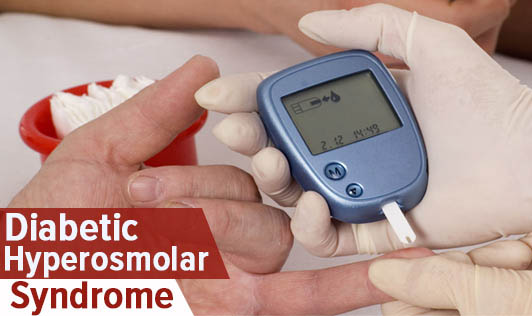
Diabetic hyperosmolar syndrome

Diabetic hyperosmolar syndromeDiabetic hyperosmolar syndrome is a serious condition caused by extremely high blood sugar levels.The condition most commonly occurs in people with type 2 diabetes. It’s often triggered by illnessor infection. As a result of diabetic hyperosmolar syndrome, your body tries to rid itself of the excess bloodsugar by passing it into your urine. Left untreated, diabetic hyperosmolar syndrome can lead tolife -threatening dehydration. Prompt medical care is essential. Symptoms of Diabetic Hyperosmolar syndromeDiabetic hyperosmolar syndrome can take days or weeks to develop. Possible signs and symptomsinclude: When to see a doctor?Consult your doctor if your blood sugar is persistently higher than the target range your doctorrecommends, or if you have signs or symptoms of diabetic hyperosmolar syndrome, such as: Causes for Diabetic hyperosmolar syndromeDiabetic hyperosmolar syndrome may be triggered by: Illness or infectionNot following a diabetes treatment plan or having an inadequate treatment planCertain medications, such as water pills (diuretics)Sometimes undiagnosed diabetes results in diabetic hyperosmolar syndrome. Risk factorsYour risk of developing diabetic hyperosmolar syndrome might be higher if you: Have type 2 diabetes.If you don’t monitor your blood sugar or you don’t yet know you have type 2 diabetes, your risk ishigher.Are older than age 65.Have another chronic health condition, such as congestive heart failure or kidney disease.Have an infection,such as pneumonia, a urinary tract infection or a virus, which causes your blood sugar levels torise.Take certain medications.Some drugs such as corticosteroids (prednisone), diuretics (hydrochlorothiazide and chlorthalidone)and the anti-seizure medication phenytoin (Dilantin). Complications of Diabetic hyperosmolar syndromeDiabetic hyperosmolar syndrome can lead to: Seizures Heart attack Stroke Coma N.B – Without prompt treatment, diabetic hyperosmolar syndrome can be fatal. Prevention of Diabetic hyperosmolar syndromeGood daily control of your diabetes can help you prevent diabetic hyperosmolar syndrome. Know the symptoms of high blood sugar.Be alert for the warning symptoms of high blood sugar, as well as the situations that put you atrisk of developing hyperosmolar syndrome, such as illness or infections. Monitor your blood sugar level.Monitoring will help you stay in your target range and alert you to dangerous highs. Ask yourdoctor how often you should test your blood sugar. Monitor more often when you’re sick. When you’re sick, drink plenty of liquids.Drink a glass of nonalcoholic, caffeine-free beverage hourly until you can ask your doctor foradvice. Follow your diabetes management plan. Eat nutritious meals, take medications as directedand exercise regularly. Educate your loved ones, friends and co-workers.Teach people you spend time with to recognize early signs and symptoms of blood sugar extremes andto summon emergency help if you pass out. Wear a medical ID bracelet or necklace.If you’re unconscious, the ID can provide valuable information to others, including emergencypersonnel. Stay current on vaccinations.Get an annual flu shot and ask your doctor if you need the pneumococcal vaccine, which protectsagainst some forms of pneumonia. Diagnosis diabetic hyperosmolar syndromeFor diabetic hyperosmolar syndrome, prompt diagnosis is critical. The emergency medical team willdo a physical and mental status exam and may ask those who are with you about your medical history. Lab testsYou’ll likely have blood and urine tests to measure your blood sugar level and kidney function andto detect infection, among other conditions. Treatment diabetic hyperosmolar syndromeEmergency treatment can correct diabetic hyperosmolar syndrome within hours. Treatment typicallyincludes:

Diabetic hyperosmolar syndrome Read More »

Diarrhea

DiarrheaDiarrhea loose, watery and possibly more-frequent bowel movements ,is a common problem. Luckily, diarrhea is usually short-lived, lasting no more than a few days. But, when diarrhea lastsfor weeks, it usually indicates that’s there’s another problem. If you have diarrhea for weeks orlonger, you may have a condition such as irritable bowel disorder, or a more serious disorder, suchas a persistent infection or inflammatory bowel disease. Symptoms of DiarrheaSigns and symptoms associated with diarrhea may include: Your diarrhea persists beyond a few days You become dehydratedYou have severe abdominal or rectal pain You have bloody or black stoolsYou have a fever above 102 F (39 C)N.B – In children, particularly young children, diarrhea can quickly lead to dehydration. Call yourdoctor if your child’s diarrhea doesn’t improve within 24 hours or if your baby: Bacteria and parasites.Contaminated food or water can transmit bacteria and parasites to your body. When traveling indeveloping countries, diarrhea caused by bacteria and parasites is often called traveler’sdiarrhea. Clostridium difficile is another type of bacteria that can cause serious infections thatcause diarrhea, and it can occur after a course of antibiotics or during a hospitalization.Medications.Many medications, such as antibiotics, can cause diarrhea. Antibiotics destroy both good and badbacteria, which can disturb the natural balance of bacteria in your intestines. Other drugs thatcause diarrhea are cancer drugs and antacids with magnesium.Lactose intolerance.Lactose is a sugar found in milk and other dairy products. People who have difficulty digestinglactose have diarrhea after eating dairy products. Lactose intolerance can increase with agebecause levels of the enzyme that helps digest lactose drop after childhood.Fructose.Fructose is a sugar found naturally in fruits and honey. It’s sometimes added as a sweete ner tocertain beverages. In people who have trouble digesting fructose, it can lead to diarrhea.Artificial sweeteners.Sorbitol and mannitol artificial sweeteners found in chewing gum and other sugar-free products cancause diarrhea in some otherwise healthy people. Surgery.Abdominal or gallbladder removal surgeries can sometimes cause diarrhea.Other digestive disorders. Chronic diarrhea has a number of other causes, such as Crohn’s disease,ulcerative colitis, celiac disease, microscopic colitis and irritable bowel syndrome. Complications of DiarrheaDiarrhea can cause dehydration, which can be life-threatening if untreated. Dehydration isparticularly dangerous in children, older adults and those with weakened immune systems.If you have signs of serious dehydration, seek medical help. Indications of dehydration in adultsThese include: Excessive thirst Dry mouth or skinLittle or no urinationWeakness, dizziness or lightheadedness FatigueDark-colored urine Indications of dehydration in infants and young children These include: Not having a wet diaper in three or more hours Dry mouth and tongueFever above 102 F (39 C) Crying without tearsDrowsiness, unresponsiveness or irritabilitySunken appearance to the abdomen, eyes or cheeks Preventing viral diarrhea Wash your hands to prevent the spread of viral diarrhea. To ensure adequate hand-washing: Wash frequently.Wash your hands before and after preparing food. Wash your hands after handling uncooked meat,using the toilet, changing diapers, sneezing, coughing and blowing your nose.Lather with soap for at least 20 seconds. After putting soap on your hands, rub your hands togetherfor at least 20 seconds. This is about as long as it takes to sing “Happy Birthday” twice through. Use hand sanitizer when washing isn’t possible.Use an alcohol-based hand sanitizer when you can’t get to a sink. Apply the hand sanitizer as youwould hand lotion, making sure to cover the fronts and backs of both hands. Use a product thatcontains at least 60 percent alcohol. VaccinationYou can help protect your infant from rotavirus, the most common cause of viral diarrhea inchildren, with one of two approved vaccines. Ask your baby’s doctor about having your babyvaccinated. Preventing traveler’s diarrheaDiarrhea commonly affects people who travel to countries where there’s inadequate sanitation andcontaminated food. To reduce your risk: Watch what you eat.Eat hot, well-cooked foods. Avoid raw fruits and vegetables unless you can peel them yourself. Alsoavoid raw or undercooked meats and dairy foods. Watch what you drink.Drink bottled water, soda, beer or wine served in its original container. Avoid tap water and icecubes. Use bottled water even for brushing your teeth. Keep your mouth closed while you shower. Beverages made with boiled water, such as coffee and tea, are probably safe. Remember that alcoholand caffeine can aggravate diarrhea and worsen dehydration. Ask your doctor about antibiotics.If you’re traveling to a developing country for an extended time, ask your doctor about antibioticsbefore you go, especially if you have a weakened immune system. Check for travel warnings. The Centers for Disease Control and Prevention maintain s a travelers’health website where disease warnings are posted for various countries. If you’re planning totravel outside of the Zimbabwe , South Africa or any other place , check there for warnings and tips for reducing your risk. Diagnosis of DiarrheaYour doctor will ask about your medical history, review the medications you take, conduct aphysical exam and may order tests to determine what’s causing your diarrhea. Possible testsinclude: Blood test.A complete blood count test can help indicate what’s causing your diarrhea.Stool test.Your doctor might recommend a stool test to see if a bacterium or parasite is causing yourdiarrhea.Flexible sigmoidoscopy or colonoscopy.Using a thin, lighted tube that’s inserted in your rectum, your doctor can see inside your colon.The device is also equipped with a tool that allows your doctor to take a small sample of tissue(biopsy) from your colon. Flexible sigmoidoscopy provides a view of the lower colon, whilecolonoscopy allows the doctor to see the entire colon. Treatment of DiarrheaMost cases of diarrhea clear on their own within a couple of days without treatment. If you’vetried lifestyle changes and home remedies for diarrhea without success, your docto r mightrecommend medications or other treatments. AntibioticsAntibiotics might help treat diarrhea caused by bacteria or parasites. If a virus is causing yourdiarrhea, antibiotics won’t help. Treatment to replace fluidsYour doctor likely will advise you to replace the fluids and salts. For most adults, that meansdrinking water, juice or broth. If drinking liquids upsets your stomach or causes vomiting, yourdoctor might recommend getting IV fluids. Water is a good way to replace fluids, but


Diarrhea Read More »

Angina

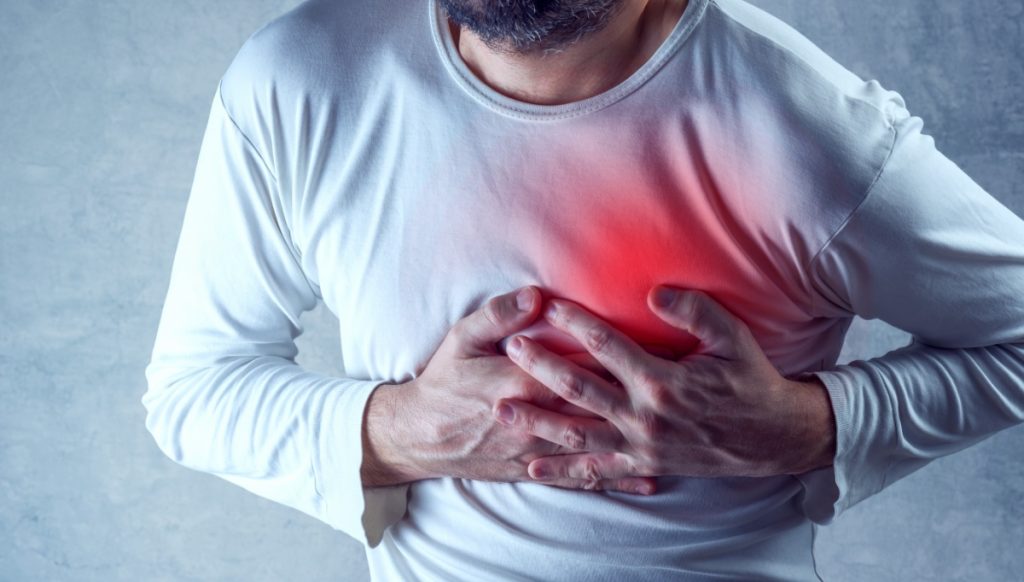
AnginaAngina is a type of chest pain caused by reduced blood flow to the heart. Angina is a symptom ofcoronary artery disease.Angina, which may also be called angina pectoris, is often described as squeezing, pressure,heaviness, tightness or pain in your chest. Some people with angina symptoms describe angina asfeeling like a vise is squeezing their chest or feeling like a heavy weight has been placed ontheir chest. Angina may be a new pain that needs evaluation by a doctor, or recurring pain thatgoes away with treatment.Although angina is relatively common, it can still be hard to distinguish from other types of chestpain, such as the pain or discomfort of indigestion. If you have unexplained chest pain, seekmedical attention right away.|Symptoms of AnginaAngina symptoms include: Characteristics of stable anginaDevelops when your heart works harder, such as when you exercise or climb stairs Can usually be predicted and the pain is usually similar to previous types of chest pain you’ve hadLasts a short time, perhaps five minutes or lessDisappears sooner if you rest or use your angina medicationThe severity, duration and type of angina can vary. New or different symptoms may signal a moredangerous form of angina (unstable angina) or a heart attack. Characteristics of unstable angina (a medical emergency)Occurs even at restIs a change in your usual pattern of angina Is unexpectedIs usually more severe and lasts longer than stable angina, maybe 30 minutes or longer May notdisappear with rest or use of angina medicationMight signal a heart attack There’s another type of angina, called variant angina or Prinzmetal’s angina. This type of anginais rarer. It’s caused by a spasm in your heart’s arteries that temporarily reduces blood flow. Characteristics of variant angina (Prinzmetal’s angina)Usually happens when you’re resting Is often severeMay be relieved by angina medication Angina in womenA woman’s angina symptoms can be different from the classic angina symptoms. These differences maylead to delays in seeking treatment. For example, chest pain is a common symptom in women withangina, but it may not be the only symptom or the most prevalent symptom for women. Women may alsoexperience symptoms such as: When to see a doctor ?If your chest pain lasts longer than a few minutes and doesn’t go away when you rest or take yourangina medications, it may be a sign you’re having a heart attack. Call 911 or emergency medicalhelp. Arrange for transportation. Only drive yourself to the hospital as a last resort. If chest discomfort is a new symptom for you, it’s important to see your doctor to find out what’scausing your chest pain and to get proper treatment. If stable angina gets worse or changes, seekmedical attention immediately. Causes of AnginaAngina is caused by reduced blood flow to your heart muscle. Your blood carries oxygen, which yourheart muscle needs to survive. When your heart muscle isn’t getting enough oxygen, it causes acondition called ischemia.The most common cause of reduced blood flow to your heart muscle is coronary artery disease (CAD).Your heart (coronary) arteries can become narrowed by fatty deposits called plaques. This is calledatherosclerosis.This reduced blood flow is a supply problem ,your heart is not getting enough oxygen-rich blood.You may wonder why you don’t always have angina if your heart arteries are narrowed due to fattybuildup.This is because during times of low oxygen demand ,when you’re resting, for example your heartmuscle may be able to get by on the reduced amount of blood flow without triggering anginasymptoms. But when you increase the demand for oxygen, such as when you exercise, this can causeangina. Stable angina.Stable angina is usually triggered by physical exertion. When you climb stairs, exercise or walk,your heart demands more blood, but it’s harder for the muscle to get enough blood when yourarteries are narrowed. Besides physical activity, other factors such as emotional stress, coldtemperatures, heavy meals and smoking also can narrow arteries and trigger angina. Unstable angina.If fatty deposits (plaques) in a blood vessel rupture or a blood clot forms, it can quickly blockor reduce flow through a narrowed artery, suddenly and severely decreasing blood flow to your heartmuscle.Unstable angina can also be caused by blood clots that block or partially block your heart’s bloodvessels. Unstable angina worsens and isn’t relieved by rest or your usual medications. If the blood flowdoesn’t improve, your heart is deprived of oxygen and a heart attack occurs. Unstable angina isdangerous and requires emergency treatment. Prinzmetal’s angina.This type of angina is caused by a spasm in a coronary artery in which the artery temporarilynarrows. This narrowing reduces blood flow to your heart, causing chest pain. Emotional stress,smoking and use of the illegal drug cocaine may trigger this type of angina. Risk factors of AnginaThe following risk factors increase your risk of coronary artery disease and angina: Tobacco use.Chewing tobacco, smoking and long-term exposure to secondhand smoke damage the interior walls ofarteries including arteries to your heart allowing deposits of cholesterol to collect and blockblood flow. Diabetes.Diabetes is the inability of your body to produce enough or respond to insulin properly. Insulin, ahormone secreted by your pancreas, allows your body to use glucose, which is a form of sugar fromfoods. Diabetes increases the risk of coronary artery disease, which leads to angina and heartattacks by speeding up atherosclerosis and increasing your cholesterol levels. High blood pressure.Blood pressure is determined by the amount of blood your heart pumps and the amount of resistanc eto blood flow in your arteries. Over time, high blood pressure damages arteries by acceleratinghardening of the arteries. High blood cholesterol or triglyceride levels.Cholesterol is a major part of the deposits that can narrow arteries throughout your body,including those that supply your heart. A high level of the wrong kind of cholesterol, known aslow-density lipoprotein (LDL) cholesterol (the “bad” cholesterol), increases your risk of anginaand heart attacks. A high level of triglycerides, a type of blood fat related to your diet, also isundesirable. Family history of heart disease.If a family member has coronary artery disease or has had a heart attack, you’re at a greater riskof developing

Angina Read More »

Diabetic retinopathy

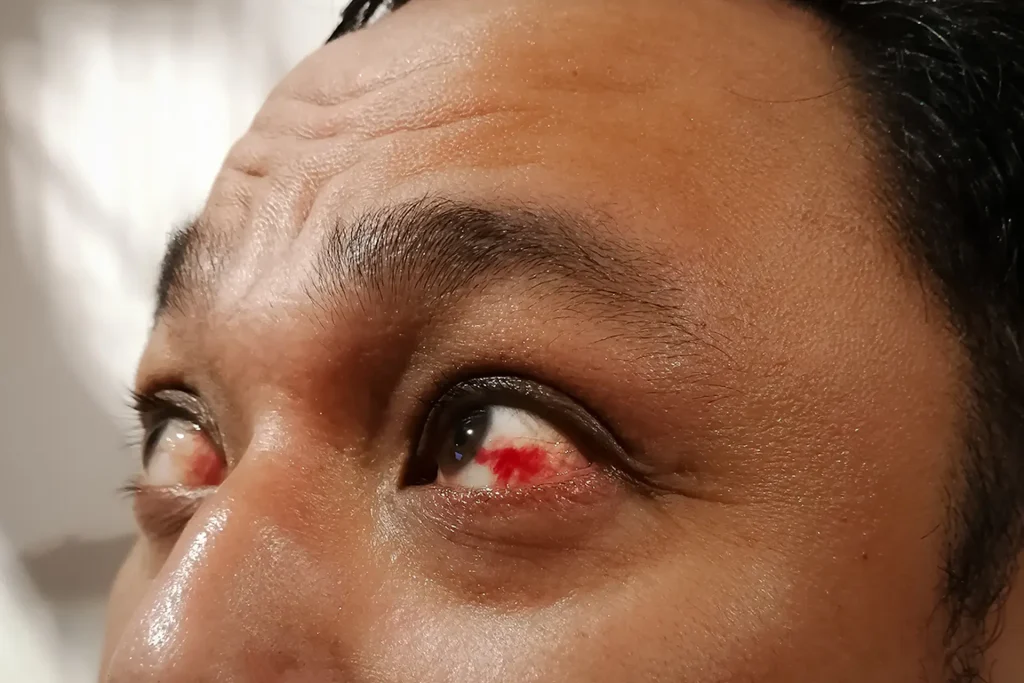
Diabetic retinopathy Diabetic retinopathy is a diabetes complication that affects eyes. It’s caused by damage to theblood vessels of the light-sensitive tissue at the back of the eye (retina). At first, diabetic retinopathy may cause no symptoms or only mild vision problems. Eventually, itcan cause blindness. The condition can develop in anyone who has type 1 or type 2 diabetes. The longer you have diabetesand the less controlled your blood sugar is, the more likely you are to develop this eyecomplication. Symptoms Diabetic retinopathyYou might not have symptoms in the early stages of diabetic retinopathy. As the conditionprogresses, diabetic retinopathy symptoms may include: There are two types of diabetic retinopathy:Early diabetic retinopathy.In this more common form called nonproliferative diabetic retinopathy (NPDR) new blood vesselsaren’t growing (proliferating). When you have NPDR, the walls of the blood vessels in your retina weaken. Tiny bulges(microaneurysms) protrude from the vessel walls of the smaller vessels, sometimes leaking fluid and blood into the retina. Larger retinal vessels can begin to dilate and become irregular in diameter,as well. NPDR can progress from mild to severe, as more blood vessels become blocked. Nerve fibers in the retina may begin to swell. Sometimes the central part of the retina (macula)begins to swell (macular edema), a condition that requires treatment. Advanced diabetic retinopathy.Diabetic retinopathy can progress to this more severe type, known as proliferative diabeticretinopathy. In this type, damaged blood vessels close off, causing the growth of new, abnormalblood ve ssels in the retina, and can leak into the clear, jelly-like substance that fills thecenter of your eye (vitreous). Eventually, scar tissue stimulated by the growth of new blood vessels may cause the retina todetach from the back of your eye. If the new blood vessels interfere with the normal flow of fluidout of the eye, pressure may build up in the eyeball. This can damage the nerve that carries imagesfrom your eye to your brain (optic nerve), resulting in glaucoma. Risk factors Diabetic retinopathyAnyone who has diabetes can develop diabetic retinopathy. Risk of developing the eye condition canincrease as a result of: Duration of diabetes the longer you have diabetes, the greater your risk of developing diabeticretinopathy Vitreous hemorrhage by itself usually doesn’t cause permanent vision loss. The blood often clearsfrom the eye within a few weeks or months. Unless your retina is damaged, your vision may return toits previous clarity. Retinal detachment.The abnormal blood vessels associated with diabetic retinopathy stimulate the growth of scartissue, which can pull the retina away from the back of the eye. This may cause spots floating inyour vision, flashes of light or severe vision loss. Glaucoma.New blood vessels may grow in the front part of your eye and interfere with the normal flow offluid out of the eye, causing pressure in the eye to build up (glaucoma). This pressure can damagethe nerve that carries images from your eye to your brain (optic nerve). Blindness.Eventually, diabetic retinopathy, glaucoma or both can lead to complete vision loss. Prevention You can’t always prevent diabetic retinopathy. However, regular eye exams, good control of yourblood sugar and blood pressure, and early intervention for vision problems can help prevent severevision loss. If you have diabetes, reduce your risk of getting diabetic retinopathy by doing the following: Manage your diabetes.Make healthy eating and physical activity part of your daily routine. Try to get at least 150minutes of moderate aerobic activity, such as walking, each week. Take oral diabetes medications orinsulin as directed. Monitor your blood sugar level.You may need to check and record your blood sugar level several times a day — more-frequentmeasurements may be required if you’re ill or under stress. Ask your doctor how often you need totest your blood sugar. Ask your doctor about a glycosylated hemoglobin test.The glycosylated hemoglobin test, or hemoglobin A1C test, reflects your average blood sugar levelfor the two- to three-month period before the test. For most people, the A1C goal is to be under 7percent. Keep your blood pressure and cholesterol under control. Eating healthy foods, exercisingregularly and losing excess weight can help. Sometimes medication is needed, too. If you smoke or use other types of tobacco, ask your doctor to help you quit.Smoking increases your risk of various diabetes complications, including diabetic retinopathy.Pay attention to vision changes. Contact your eye doctor right away if you experience sudden visionchanges or your vision becomes blurry, spotty or hazy. Remember, diabetes doesn’t necessarily lead to vision loss. Taking an active role in diabetesmanagement can go a long way toward preventing complications.|Diagnosis Diabetic retinopathyDiabetic retinopathy is best diagnosed with a comprehensive dilated eye exam. For this exam, dropsplaced in your eyes widen (dilate) your pupils to allow your doctor to better view inside youreyes. The drops may cause your close vision to blur until they wear off, several hours later.During the exam, your eye doctor will look for: Optical coherence tomographyYour eye doctor may request an optical coherence tomography (OCT) exam. This imaging test providescross-sectional images of the retina that show the thickness of the retina, which will helpdetermine whether fluid has leaked into retinal tissue. Later, OCT exams can be used to monitor howtreatment is working. Treatment Diabetic retinopathyTreatment, which depends largely on the type of diabetic retinopathy you have and how seve re itis, is geared to slowing or stopping progression of the condition. Early diabetic retinopathyIf you have mild or moderate nonproliferative diabetic retinopathy, you may not need treatmentright away. However, your eye doctor will closely monitor your eyes to determine when you mightneed treatment. Work with your diabetes doctor (endocrinologist) to determine if there are ways to improve yourdiabetes management. When diabetic retinopathy is mild or moderate, good blood sugar control canusually slow the progression. Advanced diabetic retinopathyIf you have proliferative diabetic retinopathy or macular edema, you’ll need prompt surgicaltreatment. Depending on the specific problems with your retina, options may include: Photocoagulation.This laser treatment, also known as focal laser treatment, can stop or slow the leakage of bloodand fluid in the eye. During the procedure, leaks from abnormal blood

Diabetic retinopathy Read More »

Common Cold in Babies

Common cold in babiesA common cold is a viral infection of your baby’s nose and throat. Nasal congestion and a runnynose are the main indicators of a cold.Babies are especially susceptible to the common cold, in part because they’re often around otherolder children. Also, they have yet to develop immunity to many common infections. Within the firstyear of life, most babies have up to seven colds; they may have more if they’re in child carecenters.Treatment for the common cold in babies involves easing their symptoms, such as by providingfluids, keeping the air moist and helping them keep their nasal passages open. Very young infantsmust see a doctor at the first sign of the common cold to make sure croup, pneumonia or other moreserious illnesses aren’t present. Symptoms of common coldThe first indication of the common cold in a baby is often: When is the right time to see a doctor?Your baby’s immune system will need time to mature. If your baby has a cold with no complications,it should resolve within 10 to 14 days.If your baby is younger than 3 months of age, visit a doctor immediately. In newborns, it’sespecially important to make sure that a more serious illness isn’t present, especially if yourbaby has a fever.Most colds are simply a nuisance. But it’s important to take your baby’s signs and symptomsseriously. If your baby is 3 months old or older, call the doctor if your baby: Causes of Common cold in babiesThe common cold is an infection of the nose and throat (upper respiratory tract infection) that canbe caused by one of more than 100 viruses. Rhinoviruses are the most common.Once infected by a virus, your baby generally becomes immune to that virus. But because so manyviruses cause colds, your baby may have several colds a year and many throughout his or herlifetime. Also, some viruses don’t produce lasting immunity. A common cold virus enters your baby’s mouth, nose or eyes. Your baby can be infected with a virusby :AirWhen someone who is sick coughs, sneezes or talks, he or she might directly spread the virus toyour baby.Direct contactSomeone with a cold who touches your baby’s hand can spread the cold virus to your baby, who canbecome infected after touching his or her eyes, nose or mouth.Contaminated surfacesSome viruses live on surfaces for two hours or longer. Your baby may catch a virus by touching acontaminated surface, such as a toy. Risk factorsA few factors put infants at higher risk of a common cold. Immature immune systemsInfants are, by nature, at risk of common colds because they haven’t yet been exposed to ordeveloped resistance to most of the viruses that cause them.Exposure to other childrenInfants spend time with other children, who don’t always wash their hands or cover their coughs andsneezes, which increases your baby’s risk of catching a cold.Time of yearBoth children and adults are more susceptible to colds in winter. Complications to babies Acute ear infection (otitis media)This is the most common complication of the common cold. Ear infections occur when bacteria orviruses enter the space behind the eardrum. WheezingA cold can trigger wheezing, even if your child doesn’t have asthma. If your child does haveasthma, a cold can make it worse. SinusitisA common cold that doesn’t resolve may lead to a secondary infection within the sinuses(sinusitis). Secondary infectionsThese include pneumonia, bronchiolitis and croup. Such infections require evaluation by a doctor. Prevention OF Common Cold in babies Treatment of Common coldThere’s no cure for the common cold. Antibiotics don’t work against cold viruses.Try to make your baby more comfortable with measures such as suctioning nasal mucus and keeping theair moist.Over-the-counter (OTC) medications generally should be avoided in babies. You can usefever-reducing medications, carefully following dosing directions, if a fever is making your childuncomfortable. Cough and cold medications aren’t safe for infants and young children. Fever-reducing medicationsOTC pain relievers such as acetaminophen (Tylenol, others) might relieve discomfort associated witha fever. However, these medications don’t kill the cold virus. Fever is a part of your child’snatural response to the virus, so it may help to allow your child to have a low-grade fever.Don’t give acetaminophen to children under 3 months of age, and be especially careful when givingacetaminophen to older babies and children because the dosing guidelines can be confusing. Callyour doctor if you have questions about the right dosage for your baby. For treatment of fever or pain, consider giving your child infants’ or children’s over-the-counterfever and pain medications such as acetaminophen (Tylenol, others) or ibuprofen (Advil, Motrin,others). N.B – Don’t give these medications to your baby if he or she is dehydrated or vomitingcontinuously. Children and teenagers recovering from chickenpox or flu-like symptoms should never take aspirin. This is because aspirin has been linked to Reye’s syndrome, a rare but potentially life-threatening condition, in such children. Cough and cold medicationsThe Food and Drug Administration (FDA) strongly recommends against giving over-the-counter (OTC)cough and cold medicines to children younger than age 2. OTC cough and cold medicines don’t treatthe underlying cause of a child’s cold and won’t make it go away sooner, and can be dangerous toyour baby. In June 2008, manufacturers removed infant cough and cold medications from the market. They alsomodified product labels on the remaining OTC cough and cold medicines to warn people not to usethem in children under 4 years of age because of safety concerns. Visit us on : www.healthalert.co.za Calls us on : +27 82 0941 375Email us on : info@healthalert.co.za

Common Cold in Babies Read More »

Chickenpox

ChickenpoxChickenpox is an infection caused by the varicella-zoster virus. It causes an itchy rash withsmall, fluid- filled blisters. Chickenpox is highly contagious to people who haven’t had thedisease or been vaccinated against it. Today, a vaccine is available that protects children againstchickenpox. Routine vaccination is recommended by the Centers for Disease Control and Prevention(CDC). The chickenpox vaccine is a safe, effective way to prevent chickenpox and its possiblecomplications. Symptoms of ChickenpoxThe itchy blister rash caused by chickenpox infection appears 10 to 21 days after exposure to thevirus and usually lasts about five to 10 days. Other signs and symptoms, which may appear one totwo days before the rash, include: Once the chickenpox rash appears, it goes through three phases: When to see a doctor?If you think you or your child might have chickenpox, consult your doctor. He or she usually candiagnose chickenpox by examining the rash and considering other symptoms. Your doctor can alsoprescribe medications to lessen the severity of chickenpox and treat complications, if necessary.To avoid infecting others in the waiting room, call ahead for an appointment and mention that youthink you or your child may have chickenpox. Also, let your doctor know if:The rash spreads to one or both eyes.The rash gets very red, warm or tender. This could indicate a secondary bacterial skin infection.The rash is accompanied by dizziness, disorientation, rapid heartbeat, shortness of breath,tremors, loss of muscle coordination, worsening cough, vomiting, stiff neck or a fever higher than102 F (38.9 C).Anyone in the household has a problem with his or her immune system or is younger than 6 months. Causes of ChickenpoxChickenpox infection is caused by a virus. It can spread through direct contact with the rash. Itcan also spread when a person with the chickenpox coughs or sneezes and you inhale the airdroplets. Risk factors of ChickenpoxYour risk of becoming infected with the varicella-zoster virus that causes chickenpox is higher ifyou haven’t already had chickenpox or if you haven’t had the chickenpox vaccine. It’s especiallyimportant for people who work in child care or school settings to be vaccinated.Most people who have had chickenpox or have been vaccinated against chickenpox are immune tochickenpox. If you’ve been vaccinated and still get chickenpox, symptoms are often milder, withfewer blisters and mild or no fever. A few people can get chickenpox more than once, but this israre. Complications of ChickenpoxChickenpox is normally a mild disease. But it can be serious and can lead to complicationsincluding: Who’s at risk?People who are at higher risk of chickenpox complications include: Chickenpox and pregnancyLow birth weight and limb abnormalities are more common among babies born to women who are infectedwith chickenpox early in their pregnancy. When a mother is infected with chickenpox in the weekbefore birth or within a couple of days after giving birth, her baby has a higher risk ofdeveloping a serious, life-threatening infection.If you’re pregnant and not immune to chickenpox, talk to your doctor about the risks to you andyour unborn child. Chickenpox and shinglesIf you’ve had chickenpox, you’re at risk of a complication called shingles. The varicella-zostervirus remains in your nerve cells after the skin infection has healed. Many years later, the viruscan reactivate and resurface as shingles a painful cluster of short-lived blisters. The virus ismore likely to reappear in older adults and people who have weakened immune systems.The pain of shingles can persist long after the blisters disappear. This is called postherpeticneuralgia and can be severe. Two shingles vaccines (Zostavax and Shingrix) are available for adults who have had chickenpox.Shingrix is approved and recommended for people age 50 and older, including those who’ve previouslyreceived Zostavax. Zostavax isn’t recommended until age 60. Shingrix is preferred over Zostavax. Prevention of ChickenpoxThe chickenpox (varicella) vaccine is the best way to prevent chickenpox. Experts from the Centersfor Disease Control and Prevention (CDC) estimate that the vaccine provides complete protectionfrom the virus for nearly 98 percent of people who receive both of the recommended doses. When the vaccinedoesn’t provide complete protection, it significantly lessens the severity of chickenpox. The chickenpox vaccine (Varivax) is recommended for:Young childrenIn the Africa, children should receive two doses of the varicella vaccine the first between ages 12and 15 months and the second between ages 4 and 6 years as part of the routine childhoodvaccination schedule.The vaccine can be combined with the measles, mumps and rubella vaccine, but for some childrenbetween the ages of 12 and 23 months, the combination may increase the risk of fever and seizurefrom the vaccine. Discuss the pros and cons of combining the vaccines with your child’s doctor.Unvaccinated older children. Children ages 7 to 12 years who haven’t been vaccinated should receivetwo catch-up doses of the varicella vaccine, given at least three months apart. Children age 13 orolder who haven’t been vaccinated should also receive two catch-up doses of the vaccine, given atleast four weeks apart.Unvaccinated adults who’ve never had chickenpox and are at high risk of exposure. This includeshealth care workers, teachers, child care employees, international travelers, military personnel,adults who live with young children and all women of childbearing age. Adults who’ve never had chickenpox or been vaccinated usually receive two doses of the vaccine,four to eight weeks apart. If you don’t remember whether you’ve had chickenpox or the vaccine, ablood test can determine your immunity. The chickenpox vaccine isn’t approved for:Pregnant womenPeople who have weakened immune systems, such as those who are infected with HIV, or people who aretaking immune-suppressing medicationsPeople who are allergic to gelatin or the antibiotic neomycinTalk to your doctor if you’re unsure about your need for the vaccine. If you’re planning onbecoming pregnant, consult with your doctor to make sure you’re up to date on your vaccinationsbefore conceiving a child. Is it safe and effective?Parents typically wonder whether vaccines are safe. Since the chickenpox vaccine became available,studies have consistently found it safe and effective. Side effects are generally mild and includeredness, soreness, swelling and, rarely, small bumps at the site of the shot. Diagnosis for ChickenpoxDoctors generally diagnose chickenpox based on the rash.If there’s any doubt

Chickenpox Read More »