Common Cold in Babies
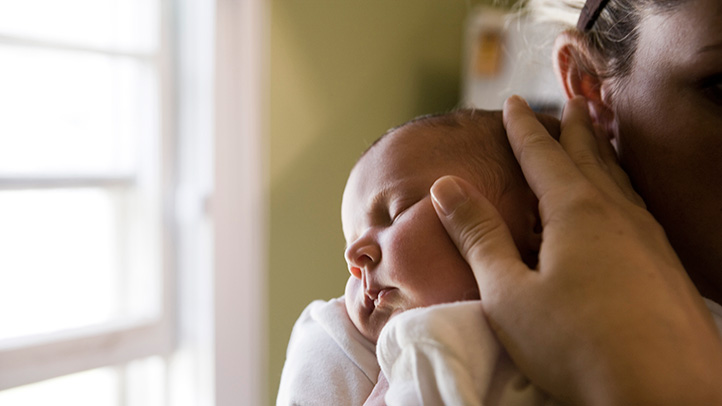
Common cold in babiesA common cold is a viral infection of your baby’s nose and throat. Nasal congestion and a runnynose are the main indicators of a cold.Babies are especially susceptible to the common cold, in part because they’re often around otherolder children. Also, they have yet to develop immunity to many common infections. Within the firstyear of life, most babies have up to seven colds; they may have more if they’re in child carecenters.Treatment for the common cold in babies involves easing their symptoms, such as by providingfluids, keeping the air moist and helping them keep their nasal passages open. Very young infantsmust see a doctor at the first sign of the common cold to make sure croup, pneumonia or other moreserious illnesses aren’t present. Symptoms of common coldThe first indication of the common cold in a baby is often: When is the right time to see a doctor?Your baby’s immune system will need time to mature. If your baby has a cold with no complications,it should resolve within 10 to 14 days.If your baby is younger than 3 months of age, visit a doctor immediately. In newborns, it’sespecially important to make sure that a more serious illness isn’t present, especially if yourbaby has a fever.Most colds are simply a nuisance. But it’s important to take your baby’s signs and symptomsseriously. If your baby is 3 months old or older, call the doctor if your baby: Causes of Common cold in babiesThe common cold is an infection of the nose and throat (upper respiratory tract infection) that canbe caused by one of more than 100 viruses. Rhinoviruses are the most common.Once infected by a virus, your baby generally becomes immune to that virus. But because so manyviruses cause colds, your baby may have several colds a year and many throughout his or herlifetime. Also, some viruses don’t produce lasting immunity. A common cold virus enters your baby’s mouth, nose or eyes. Your baby can be infected with a virusby :AirWhen someone who is sick coughs, sneezes or talks, he or she might directly spread the virus toyour baby.Direct contactSomeone with a cold who touches your baby’s hand can spread the cold virus to your baby, who canbecome infected after touching his or her eyes, nose or mouth.Contaminated surfacesSome viruses live on surfaces for two hours or longer. Your baby may catch a virus by touching acontaminated surface, such as a toy. Risk factorsA few factors put infants at higher risk of a common cold. Immature immune systemsInfants are, by nature, at risk of common colds because they haven’t yet been exposed to ordeveloped resistance to most of the viruses that cause them.Exposure to other childrenInfants spend time with other children, who don’t always wash their hands or cover their coughs andsneezes, which increases your baby’s risk of catching a cold.Time of yearBoth children and adults are more susceptible to colds in winter. Complications to babies Acute ear infection (otitis media)This is the most common complication of the common cold. Ear infections occur when bacteria orviruses enter the space behind the eardrum. WheezingA cold can trigger wheezing, even if your child doesn’t have asthma. If your child does haveasthma, a cold can make it worse. SinusitisA common cold that doesn’t resolve may lead to a secondary infection within the sinuses(sinusitis). Secondary infectionsThese include pneumonia, bronchiolitis and croup. Such infections require evaluation by a doctor. Prevention OF Common Cold in babies Treatment of Common coldThere’s no cure for the common cold. Antibiotics don’t work against cold viruses.Try to make your baby more comfortable with measures such as suctioning nasal mucus and keeping theair moist.Over-the-counter (OTC) medications generally should be avoided in babies. You can usefever-reducing medications, carefully following dosing directions, if a fever is making your childuncomfortable. Cough and cold medications aren’t safe for infants and young children. Fever-reducing medicationsOTC pain relievers such as acetaminophen (Tylenol, others) might relieve discomfort associated witha fever. However, these medications don’t kill the cold virus. Fever is a part of your child’snatural response to the virus, so it may help to allow your child to have a low-grade fever.Don’t give acetaminophen to children under 3 months of age, and be especially careful when givingacetaminophen to older babies and children because the dosing guidelines can be confusing. Callyour doctor if you have questions about the right dosage for your baby. For treatment of fever or pain, consider giving your child infants’ or children’s over-the-counterfever and pain medications such as acetaminophen (Tylenol, others) or ibuprofen (Advil, Motrin,others). N.B – Don’t give these medications to your baby if he or she is dehydrated or vomitingcontinuously. Children and teenagers recovering from chickenpox or flu-like symptoms should never take aspirin. This is because aspirin has been linked to Reye’s syndrome, a rare but potentially life-threatening condition, in such children. Cough and cold medicationsThe Food and Drug Administration (FDA) strongly recommends against giving over-the-counter (OTC)cough and cold medicines to children younger than age 2. OTC cough and cold medicines don’t treatthe underlying cause of a child’s cold and won’t make it go away sooner, and can be dangerous toyour baby. In June 2008, manufacturers removed infant cough and cold medications from the market. They alsomodified product labels on the remaining OTC cough and cold medicines to warn people not to usethem in children under 4 years of age because of safety concerns. Visit us on : www.healthalert.co.za Calls us on : +27 82 0941 375Email us on : info@healthalert.co.za
Common Cold in Babies Read More »