Diabetes insipidus
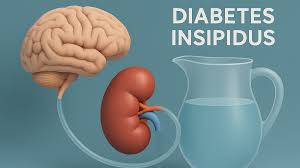
Diabetes insipidus Diabetes insipidus is an uncommon disorder that causes an imbalance of fluids in the body. This imbalance makes you very thirsty even if you’ve had something to drink. It also leads you to produce large amounts of urine. While the terms “diabetes insipidus” and “diabetes mellitus” sound similar, they’re not related. Diabetes mellitus which can occur as type 1 or type 2 is the more common form of diabetes. There’s no cure for diabetes insipidus. But treatments can relieve your thirst and decrease your urine output. Symptoms Diabetes insipidus Signs and symptoms of diabetes insipidus include: An infant or young child with diabetes insipidus may have the following signs and symptoms: When to see a doctor? See your doctor immediately if you notice excessive urination and extreme thirst. Causes Diabetes insipidus Diabetes insipidus occurs when your body can’t properly balance the body’s fluid levels. When your fluid regulation system is working properly, your kidneys help maintain this balance. The kidneys remove fluids from your bloodstream. This fluid waste is temporarily stored in your bladder as urine, until you urinate. The body can also rid itself of excess fluids through sweating, breathing or diarrhea. A hormone called anti-diuretic hormone (ADH), or vasopressin, helps control how fast or slow fluids are excreted. ADH is made in a part of the brain called the hypothalamus and stored in the pituitary gland, a small gland found in the base of the brain. If you have diabetes insipidus, your body can’t properly balance fluid levels. The cause varies depending on the type of diabetes insipidus you have: Central diabetes insipidus. Damage to the pituitary gland or hypothalamus from surgery, a tumor, a head injury or an illness can cause central diabetes insipidus by affecting the usual production, storage and release of ADH. An inherited genetic disease can also cause this condition. Nephrogenic diabetes insipidus. Nephrogenic diabetes insipidus occurs when there’s a defect in the kidney tubules the structures in your kidneys that cause water to be excreted or reabsorbed. This defect makes your kidneys unable to properly respond to ADH. The defect may be due to an inherited (genetic) disorder or a chronic kidney disorder. Certain drugs, such as lithium or antiviral medications such as foscarnet (Foscavir), also can cause nephrogenic diabetes insipidus. Gestational diabetes insipidus. Gestational diabetes insipidus is rare. It occurs only during pregnancy when an enzyme made by the placenta destroys ADH in the mother. Primary polydipsia. Also known as dipsogenic diabetes insipidus, this condition can cause production of large amounts of diluted urine. The underlying cause is drinking an excessive amount of fluids. Primary polydipsia can be caused by damage to the thirst-regulating mechanism in the hypothalamus. The condition has also been linked to mental illness, such as schizophrenia. Sometimes, there’s no obvious cause of diabetes insipidus. However, in some people, the disorder may be the result of an autoimmune reaction that causes the immune system to damage the cells that make vasopressin. Risk factors Nephrogenic diabetes insipidus that’s present at or shortly after birth usually has an inherited (genetic) cause that permanently changes the kidneys’ ability to concentrate the urine. Nephrogenic diabetes insipidus usually affects males, though women can pass the gene on to their children. Complications Diabetes insipidus Diabetes insipidus can cause an imbalance in electrolytes minerals in your blood, such as sodium and potassium, that maintain the fluid balance in your body. Symptoms of an electrolyte imbalance may include: Diagnosis Diabetes insipidus Some of the tests doctors use to diagnose diabetes insipidus include: Water deprivation test. While being monitored by a doctor and health care team, you’ll be asked to stop drinking fluids for several hours. To prevent dehydration while fluids are restricted, ADH allows your kidneys to decrease the amount of fluid lost in the urine. While fluids are being withheld, your doctor will measure changes in your body weight, urine output, and the concentration of your urine and blood. Your doctor may also measure blood levels of ADH or give you synthetic ADH during this test. This will determine if your body is producing enough ADH and if your kidneys can respond as expected to ADH. Magnetic resonance imaging (MRI). An MRI can look for abnormalities in or near the pituitary gland. This test is noninvasive. It uses a powerful magnetic field and radio waves to construct detailed pictures of brain tissues. Genetic screening. If others in your family have had problems with excess urination, your doctor may suggest genetic screening. Treatment Diabetes insipidus Treatment options for the most common types of diabetes insipidus include: Central diabetes insipidus. If you have mild diabetes insipidus, you may only need to increase your water intake. If the condition is caused by an abnormality in the pituitary gland or hypothalamus (such as a tumor), your doctor will first treat the abnormality. Typically, this form is treated with a man-made hormone called desmopressin (DDAVP, Minirin, others). This medication replaces the missing anti-diuretic hormone (ADH) and decreases urination. You can take desmopressin as a nasal spray, as oral tablets or by injection. Most people still make some ADH, though the amount can vary day to day. So, the amount of desmopressin you need also may vary. Taking more desmopressin than you need can cause water retention and potentially serious low-sodium levels in the blood. Other medications may also be prescribed, such as indomethacin (Indocin, Tivorbex) and chlorpropamide. These drugs can make ADH more available in the body. Nephrogenic diabetes insipidus. Since the kidneys don’t properly respond to ADH in this form of diabetes insipidus, desmopressin won’t help. Instead, your doctor may prescribe a low-salt diet to help reduce the amount of urine your kidneys make. You’ll also need to drink enough water to avoid dehydration. Treatment with the drug hydrochlorothiazide (Microzide) may improve your symptoms. Although hydrochlorothiazide is a type of drug that usually increases urine output (diuretic), in some people it can reduce urine output for people with nephrogenic diabetes insipidus. If your symptoms are due to
Diabetes insipidus Read More »