
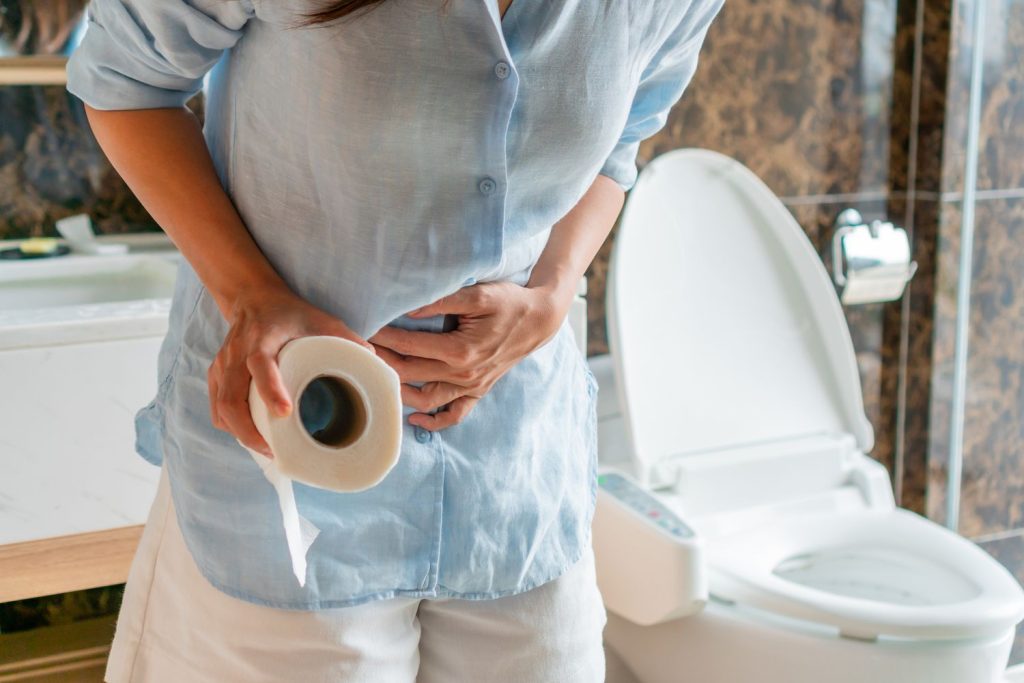
Diarrhea
Diarrhea loose, watery and possibly more-frequent bowel movements ,is a common problem.
Luckily, diarrhea is usually short-lived, lasting no more than a few days. But, when diarrhea lasts
for weeks, it usually indicates that’s there’s another problem. If you have diarrhea for weeks or
longer, you may have a condition such as irritable bowel disorder, or a more serious disorder, such
as a persistent infection or inflammatory bowel disease.
Symptoms of Diarrhea
Signs and symptoms associated with diarrhea may include:
- Loose, watery stools
- Abdominal cramps
- Abdominal pain
- Fever
- Blood in the stool
- Mucus in the stool
- Bloating
- Nausea
- Urgent need to have a bowel movement
When to see a doctor?
If you’re an adult, see your doctor if:
Your diarrhea persists beyond a few days You become dehydrated
You have severe abdominal or rectal pain You have bloody or black stools
You have a fever above 102 F (39 C)
N.B – In children, particularly young children, diarrhea can quickly lead to dehydration. Call your
doctor if your child’s diarrhea doesn’t improve within 24 hours or if your baby:
- Becomes dehydrated
- Has a fever above 102 F (39 C)
- Has bloody or black stools
Causes Diarrhea
A number of diseases and conditions can cause diarrhea, including
Viruses.
Viruses that can cause diarrhea include Norwalk virus, cytomegalovirus and viral hepatitis.
Rotavirus is a common cause of acute childhood diarrhea.
Bacteria and parasites.
Contaminated food or water can transmit bacteria and parasites to your body. When traveling in
developing countries, diarrhea caused by bacteria and parasites is often called traveler’s
diarrhea. Clostridium difficile is another type of bacteria that can cause serious infections that
cause diarrhea, and it can occur after a course of antibiotics or during a hospitalization.
Medications.
Many medications, such as antibiotics, can cause diarrhea. Antibiotics destroy both good and bad
bacteria, which can disturb the natural balance of bacteria in your intestines. Other drugs that
cause diarrhea are cancer drugs and antacids with magnesium.
Lactose intolerance.
Lactose is a sugar found in milk and other dairy products. People who have difficulty digesting
lactose have diarrhea after eating dairy products. Lactose intolerance can increase with age
because levels of the enzyme that helps digest lactose drop after childhood.
Fructose.
Fructose is a sugar found naturally in fruits and honey. It’s sometimes added as a sweete ner to
certain beverages. In people who have trouble digesting fructose, it can lead to diarrhea.
Artificial sweeteners.
Sorbitol and mannitol artificial sweeteners found in chewing gum and other sugar-free products can
cause diarrhea in some otherwise healthy people.
Surgery.
Abdominal or gallbladder removal surgeries can sometimes cause diarrhea.
Other digestive disorders. Chronic diarrhea has a number of other causes, such as Crohn’s disease,
ulcerative colitis, celiac disease, microscopic colitis and irritable bowel syndrome.
Complications of Diarrhea
Diarrhea can cause dehydration, which can be life-threatening if untreated. Dehydration is
particularly dangerous in children, older adults and those with weakened immune systems.
If you have signs of serious dehydration, seek medical help. Indications of dehydration in adults
These include:
Excessive thirst Dry mouth or skin
Little or no urination
Weakness, dizziness or lightheadedness Fatigue
Dark-colored urine
Indications of dehydration in infants and young children These include:
Not having a wet diaper in three or more hours Dry mouth and tongue
Fever above 102 F (39 C) Crying without tears
Drowsiness, unresponsiveness or irritability
Sunken appearance to the abdomen, eyes or cheeks
Preventing viral diarrhea
Wash your hands to prevent the spread of viral diarrhea. To ensure adequate hand-washing:
Wash frequently.
Wash your hands before and after preparing food. Wash your hands after handling uncooked meat,
using the toilet, changing diapers, sneezing, coughing and blowing your nose.
Lather with soap for at least 20 seconds. After putting soap on your hands, rub your hands together
for at least 20 seconds. This is about as long as it takes to sing “Happy Birthday” twice through.
Use hand sanitizer when washing isn’t possible.
Use an alcohol-based hand sanitizer when you can’t get to a sink. Apply the hand sanitizer as you
would hand lotion, making sure to cover the fronts and backs of both hands. Use a product that
contains at least 60 percent alcohol.
Vaccination
You can help protect your infant from rotavirus, the most common cause of viral diarrhea in
children, with one of two approved vaccines. Ask your baby’s doctor about having your baby
vaccinated.
Preventing traveler’s diarrhea
Diarrhea commonly affects people who travel to countries where there’s inadequate sanitation and
contaminated food. To reduce your risk:
Watch what you eat.
Eat hot, well-cooked foods. Avoid raw fruits and vegetables unless you can peel them yourself. Also
avoid raw or undercooked meats and dairy foods.
Watch what you drink.
Drink bottled water, soda, beer or wine served in its original container. Avoid tap water and ice
cubes. Use bottled water even for brushing your teeth. Keep your mouth closed while you shower.
Beverages made with boiled water, such as coffee and tea, are probably safe. Remember that alcohol
and caffeine can aggravate diarrhea and worsen dehydration.
Ask your doctor about antibiotics.
If you’re traveling to a developing country for an extended time, ask your doctor about antibiotics
before you go, especially if you have a weakened immune system.
Check for travel warnings.
The Centers for Disease Control and Prevention maintain s a travelers’
health website where disease warnings are posted for various countries. If you’re planning to
travel outside of the Zimbabwe , South Africa or any other place , check there for warnings and tips for reducing your risk.
Diagnosis of Diarrhea
Your doctor will ask about your medical history, review the medications you take, conduct a
physical exam and may order tests to determine what’s causing your diarrhea. Possible tests
include:
Blood test.
A complete blood count test can help indicate what’s causing your diarrhea.
Stool test.
Your doctor might recommend a stool test to see if a bacterium or parasite is causing your
diarrhea.
Flexible sigmoidoscopy or colonoscopy.
Using a thin, lighted tube that’s inserted in your rectum, your doctor can see inside your colon.
The device is also equipped with a tool that allows your doctor to take a small sample of tissue
(biopsy) from your colon. Flexible sigmoidoscopy provides a view of the lower colon, while
colonoscopy allows the doctor to see the entire colon.
Treatment of Diarrhea
Most cases of diarrhea clear on their own within a couple of days without treatment. If you’ve
tried lifestyle changes and home remedies for diarrhea without success, your docto r might
recommend medications or other treatments.
Antibiotics
Antibiotics might help treat diarrhea caused by bacteria or parasites. If a virus is causing your
diarrhea, antibiotics won’t help.
Treatment to replace fluids
Your doctor likely will advise you to replace the fluids and salts. For most adults, that means
drinking water, juice or broth. If drinking liquids upsets your stomach or causes vomiting, your
doctor might recommend getting IV fluids.
Water is a good way to replace fluids, but it doesn’t contain the salts and electrolytes minerals
such as sodium and potassium that are essential for your body to function. You can help maintain
your electrolyte levels by drinking fruit juices for potassium or eating soups for sodium. But
certain fruit juices, such as apple juice, might make diarrhea worse.
For children, ask your doctor about using an oral rehydration solution, such as Pedialyte, to
prevent dehydration or replace lost fluids.
Adjusting medications you’re taking
If your doctor determines that an antibiotic caused your diarrhea, he or she might lower your dose
or switch to another medication.
Treating underlying conditions
If your diarrhea is caused by a more serious condition, such as inflammatory bowel disease, your
doctor will work to control that condition. You might be referred to a specialist, such as a
gastroenterologist, who can help devise a treatment plan for you.
Lifestyle and home remedies
Diarrhea usually clears up quickly without treatment. To help you cope with your signs and symptoms
until the diarrhea goes away, try to:
Drink plenty of clear liquids, including water, broths and juices. Avoid caffeine and alcohol.
Add semisolid and low-fiber foods gradually as your bowel movements return to normal. Try soda
crackers, toast, eggs, rice or chicken.
Avoid certain foods such as dairy products, fatty foods, high-fiber foods or highly seasoned foods
for a few days.
Ask about anti-diarrheal medications. Over-the-counter (OTC) anti-diarrheal medications, such as
loperamide and bismuth subsalicylate, might help reduce the number of watery bowel movements and
control severe symptoms.
Certain medical conditions and infections bacterial and parasitic can be worsened by these
medications because they prevent your body from getting rid of what’s causing the diarrhea. Also,
these drugs aren’t always safe for children. Check with your doctor before taking these medications
or giving them to a child.
Consider taking probiotics.
These microorganisms may help restore a healthy balance to the intestinal tract by boosting the
level of good bacteria, though it’s not clear if they can help shorten a bout of diarrhea.
Probiotics are available in capsule or liquid form and are also added to some foods, such as
certain brands of yogurt.
Drink more fluids.
To help avoid dehydration, drink water, juice and broth.
Avoid foods that can aggravate diarrhea. Avoid fatty, high-fiber or highly seasoned foods.
Visit us on : www.healthalert.co.za
Calls us on : +27 82 0941 375
Email us on : info@healthalert.co.za