August 22, 2025

Acute liver failure

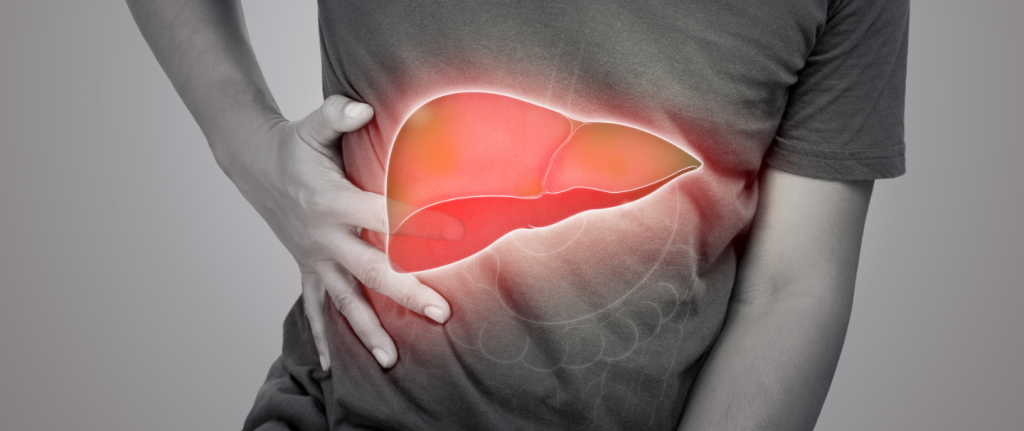
Acute liver failure Acute liver failure is loss of liver function that occurs rapidly  in days or weeks  usually in a person who has no pre-existing liver disease. Acute liver failure is less common than chronic liver failure, which develops more slowly. Acute liver failure, also known as fulminant hepatic failure, can cause serious complications, including excessive bleeding and increasing pressure in the brain. It’s a medical emergency that requires hospitalization. Depending on the cause, acute liver failure can sometimes be reversed with treatment. In many situations, though, a liver transplant may be the only cure. Causes of Acute liver failure Acute liver failure occurs when liver cells are damaged significantly and are no longer able to function. Potential causes include: Acetaminophen overdose.  Taking too much acetaminophen (Tylenol, others) is the most common cause of acute liver failure in the African region. Acute liver failure can occur after one very large dose of acetaminophen, or after higher than recommended doses every day for several days. If you or someone you know has taken an overdose of acetaminophen, seek medical attention as quickly as possible. Don’t wait for the signs of liver failure. Prescription medications. Some prescription medications, including antibiotics, nonsteroidal anti-inflammatory drugs and anticonvulsants, can cause acute liver failure. Herbal supplements. Herbal drugs and supplements, including kava, ephedra, skullcap and pennyroyal, have been linked to acute liver failure. Hepatitis and other viruses. Hepatitis A, hepatitis B and hepatitis E can cause acute liver failure. Other viruses that can cause acute liver failure include Epstein-Barr virus, cytomegalovirus and herpes simplex virus. Toxins. Toxins that can cause acute liver failure include the poisonous wild mushroom Amanita phalloides, which is sometimes mistaken for one that is safe to eat. Carbon tetrachloride is another toxin that can cause acute liver failure. It is an industrial chemical found in refrigerants and solvents for waxes, varnishes and other materials. Autoimmune disease.  Liver failure can be caused by autoimmune hepatitis a disease in which your immune system attacks liver cells, causing inflammation and injury. Diseases of the veins in the liver. Vascular diseases, such as Budd-Chiari syndrome, can cause blockages in the veins of the liver and lead to acute liver failure. Metabolic disease. Rare metabolic diseases, such as Wilson’s disease and acute fatty liver of pregnancy, infrequently cause acute liver failure. Cancer. Cancer that either begins in or spreads to your liver can cause your liver to fail. Shock. Overwhelming infection (sepsis) and shock can severely impair blood flow to the liver, causing liver failure. N.B – Many cases of acute liver failure have no apparent cause. Symptoms of Acute liver failure Signs and symptoms of acute liver failure may include: When to see a doctor? Acute liver failure can develop quickly in an otherwise healthy person, and it is life-threatening. If you or someone you know suddenly develops a yellowing of the eyes or skin; tenderness in the upper abdomen; or any unusual changes in mental state, personality or behavior, seek medical attention right away. Complications Acute liver failure often causes complications, including: Excessive fluid in the brain (cerebral edema). Too much fluid causes pressure to build up in your brain. Bleeding and bleeding disorders. A failing liver cannot make enough clotting factors, which help blood to clot. Bleeding in the gastrointestinal tract is common with this condition. It may be difficult to control. Infections.  People with acute liver failure are more likely to develop infections, particularly in the blood and in the respiratory and urinary tracts. Kidney failure.  Kidney failure often occurs after following liver failure, especially if you had an acetaminophen overdose, which damages both your liver and your kidneys. Prevention Reduce your risk of acute liver failure by taking care of your liver. Follow instructions on medications.  If you take acetaminophen or other medications, check the package insert for the recommended dosage, and don’t take more than that. If you already have liver disease, ask your doctor if it is safe to take any amount of acetaminophen. Tell your doctor about all your medicines. Even over-the-counter and herbal medicines can interfere with prescription drugs you’re taking. Drink alcohol in moderation, if at all.  Limit the amount of alcohol you drink to no more than one drink a day for women of all ages and men older than 65 and no more than two drinks a day for younger men. Avoid risky behavior. Get help if you use illicit intravenous drugs. Don’t share needles. Use condoms during sex. If you get tattoos or body piercings, make sure the shop you choose is clean and safe. Don’t smoke. Get vaccinated.  If you have chronic liver disease, a history of any type of hepatitis infection or an increased risk of hepatitis, talk to your doctor about getting the hepatitis B vaccine. A vaccine also is available for hepatitis A. Avoid contact with other people’s blood and body fluids.  Accidental needle sticks or improper cleanup of blood or body fluids can spread hepatitis viruses. Sharing razor blades or toothbrushes also can spread infection. Don’t eat wild mushrooms.  It can be difficult to tell the difference between a poisonous mushroom and one that is safe to eat. Take care with aerosol sprays. When you use an aerosol cleaner, make sure the room is ventilated, or wear a mask. Take similar protective measures when spraying insecticides, fungicides, paint and other toxic chemicals. Follow product instructions carefully. Watch what gets on your skin. When using insecticides and other toxic chemicals, cover your skin with gloves, long sleeves, a hat and a mask. Maintain a healthy weight.  Obesity can cause a condition called nonalcoholic fatty liver disease, which may include fatty liver, hepatitis and cirrhosis. Diagnosis Tests and procedures used to diagnose acute liver failure include: Blood tests. Blood tests are done to determine how well your liver works. A prothrombin time test measures how long it takes your blood to clot. With acute liver failure, blood doesn’t clot as quickly as it should. Imaging tests.  Your doctor may

Acute liver failure Read More »
Yeast infection (vaginal)

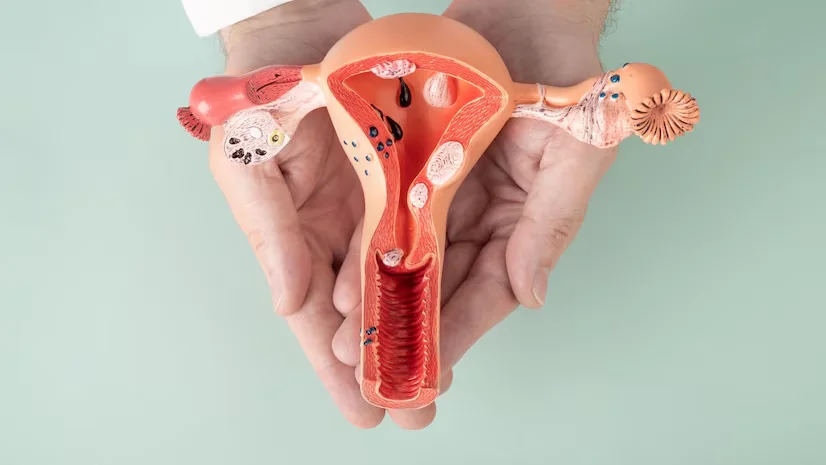
Yeast infection (vaginal) A vaginal yeast infection is a fungal infection that causes irritation, discharge and intense itchiness of the vagina and the vulva  the tissues at the vaginal opening. Also called vaginal candidiasis, vaginal yeast infection affects up to 3 out of 4 women at some point in their lifetimes. Many women experience at least two episodes. A vaginal yeast infection isn’t considered a sexually transmitted infection. But, there’s an increased risk of vaginal yeast infection at the time of first regular sexual activity. There’s also some evidence that infections may be linked to mouth to genital contact (oral-genital sex). Medications can effectively treat vaginal yeast infections. If you have recurrent yeast infections four or more within a year you may need a longer treatment course and a maintenance plan. Causes of Yeast infection (vaginal) The fungus candida albicans is responsible for most vaginal yeast infections. Your vagina naturally contains a balanced mix of yeast, including candida, and bacteria. Certain bacteria (lactobacillus) act to prevent an overgrowth of yeast. But that balance can be disrupted. An overgrowth of candida or penetration of the fungus into deeper vaginal cell layers causes the signs and symptoms of a yeast infection. Overgrowth of yeast can result from: Symptoms of Yeast infection (vaginal) Yeast infection symptoms can range from mild to moderate, and include: Complicated yeast infection You might have a complicated yeast infection if: When to see a doctor Make an appointment with your doctor if: Risk factors Factors that increase your risk of developing a yeast infection include: Antibiotic use.  Yeast infections are common in women who take antibiotics. Broad-spectrum antibiotics, which kill a range of bacteria, also kill healthy bacteria in your vagina, leading to overgrowth of yeast. Increased estrogen levels.  Yeast infections are more common in women with higher estrogen levels — such as pregnant women or women taking high-dose estrogen birth control pills or estrogen hormone therapy. Uncontrolled diabetes.  Women with poorly controlled blood sugar are at greater risk of yeast infections than women with well-controlled blood sugar. Impaired immune system.  Women with lowered immunity  such as from corticosteroid therapy or HIV infection  are more likely to get yeast infections. Prevention To reduce your risk of vaginal yeast infections, wear underwear that has a cotton crotch and doesn’t fit too tightly. It might also help to avoid: Diagnosis To diagnose a yeast infection, your doctor may: Ask questions about your medical history.  This might include gathering information about past vaginal infections or sexually transmitted infections. Perform a pelvic exam.  Your doctor examines your external genitals for signs of infection. Next, your doctor places an instrument (speculum) into your vagina to hold the vaginal walls open to examine the vagina and cervix  the lower, narrower part of your uterus. Test vaginal secretions.  Your doctor may send a sample of vaginal fluid for testing to determine the type of fungus causing the yeast infection. Identifying the fungus can help your doctor prescribe more effective treatment for recurrent yeast infections. Treatment Treatment for yeast infections depends on the severity and frequency of your infections. For mild to moderate symptoms and infrequent episodes, your doctor might recommend: Short-course vaginal therapy.  Taking an antifungal medication for three to seven days will usually clear a yeast infection. Antifungal medications  which are available as creams, ointments, tablets and suppositories  include miconazole (Monistat 3) and terconazole. Some of these medications are available over-the-counter and others by prescription only. Single-dose oral medication.  Your doctor might prescribe a one-time, single oral dose of fluconazole (Diflucan). Oral medication isn’t recommended if you’re pregnant. To manage more-severe symptoms, you might take two single doses three days apart. See your doctor again if treatment doesn’t resolve your symptoms or if your symptoms return within two months. If your symptoms are severe, or you have frequent yeast infections, your doctor might recommend: Long-course vaginal therapy.  Your doctor might prescribe an antifungal medication taken daily for up to two weeks, followed by once a week for six months. Multidose oral medication.  Your doctor might prescribe two or three doses of an antifungal medication to be taken by mouth instead of vaginal therapy. However, this therapy isn’t recommended for pregnant women. Azole resistant therapy.  Your doctor might recommend boric acid, a capsule inserted into your vagina. This medication may be fatal if taken orally and is used only to treat candida fungus that is resistant to the usual antifungal agents. Alternative medicine No alternative medicine therapies have been proved to treat vaginal yeast infections. Some complementary and alternative therapies may provide some relief when combined with your doctor’s care. Talk to your doctor about what alternative treatments for vaginal yeast infection may be safe for you. Visit us on : www.healthalert.co.za    Calls us on : +27 82 0941 375   Email us on : info@healthalert.co.za  

Yeast infection (vaginal) Read More »

Urinary tract infection (UTI)

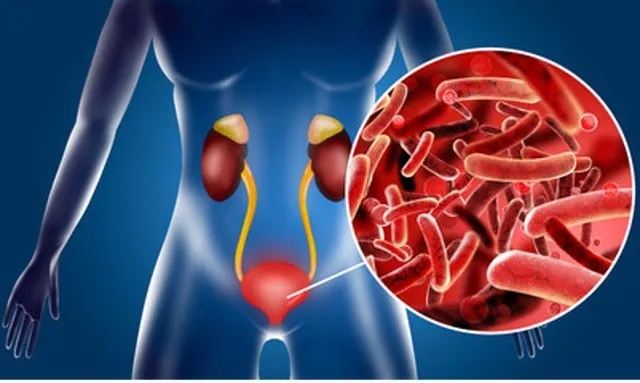
Urinary tract infection (UTI) A urinary tract infection (UTI) is an infection in any part of your urinary system — your kidneys, ureters, bladder and urethra. Most infections involve the lower urinary tract — the bladder and the urethra. Women are at greater risk of developing a UTI than are men. Infection limited to your bladder can be painful and annoying. However, serious consequences can occur if a UTI spreads to your kidneys. Doctors typically treat urinary tract infections with antibiotics. But you can take steps to reduce your chances of getting a UTI in the first place. Causes of urinary tract infection (UTI) Urinary tract infections typically occur when bacteria enter the urinary tract through the urethra and begin to multiply in the bladder. Although the urinary system is designed to keep out such microscopic invaders, these defenses sometimes fail. When that happens, bacteria may take hold and grow into a full-blown infection in the urinary tract. The most common UTIs occur mainly in women and affect the bladder and urethra. Infection of the bladder (cystitis). This type of UTI is usually caused by Escherichia coli (E. coli), a type of bacteria commonly found in the gastrointestinal (GI) tract. However, sometimes other bacteria are responsible. Sexual intercourse may lead to cystitis, but you don’t have to be sexually active to develop it. All women are at risk of cystitis because of their anatomy specifically, the short distance from the urethra to the anus and the urethral opening to the bladder. Infection of the urethra (urethritis). This type of UTI can occur when GI bacteria spread from the anus to the urethra. Also, because the female urethra is close to the vagina, sexually transmitted infections, such as herpes, gonorrhea, chlamydia and mycoplasma, can cause urethritis. Symptoms of urinary tract infection (UTI) Urinary tract infections don’t always cause signs and symptoms, but when they do they may include: N.B – UTIs may be overlooked or mistaken for other conditions in older adults. Types of urinary tract infection Each type of UTI may result in more-specific signs and symptoms, depending on which part of your urinary tract is infected. When to see a doctor Contact your doctor if you have signs and symptoms of a UTI. Risk factors Urinary tract infections are common in women, and many women experience more than one infection during their lifetimes. Risk factors specific to women for UTIs include: Female anatomy.  A woman has a shorter urethra than a man does, which shortens the distance that bacteria must travel to reach the bladder. Sexual activity.  Sexually active women tend to have more UTIs than do women who aren’t sexually active. Having a new sexual partner also increases your risk. Certain types of birth control.  Women who use diaphragms for birth control may be at higher risk, as well as women who use spermicidal agents. Menopause.  After menopause, a decline in circulating estrogen causes changes in the urinary tract that make you more vulnerable to infection. Other risk factors for UTIs include: Urinary tract abnormalities.  Babies born with urinary tract abnormalities that don’t allow urine to leave the body normally or cause urine to back up in the urethra have an increased risk of UTIs. Blockages in the urinary tract.  Kidney stones or an enlarged prostate can trap urine in the bladder and increase the risk of UTIs. A suppressed immune system.  Diabetes and other diseases that impair the immune system  the body’s defense against germs  can increase the risk of UTIs. Catheter use.  People who can’t urinate on their own and use a tube (catheter) to urinate have an increased risk of UTIs. This may include people who are hospitalized, people with neurological problems that make it difficult to control their ability to urinate and people who are paralyzed. A recent urinary procedure.  Urinary surgery or an exam of your urinary tract that involves medical instruments can both increase your risk of developing a urinary tract infection. Complications When treated promptly and properly, lower urinary tract infections rarely lead to complications. But left untreated, a urinary tract infection can have serious consequences. Complications of a UTI may include: Recurrent infections, especially in women who experience two or more UTIs in a six-month period or four or more within a year. Permanent kidney damage from an acute or chronic kidney infection (pyelonephritis) due to an untreated UTI. Increased risk in pregnant women of delivering low birth weight or premature infants. Urethral narrowing (stricture) in men from recurrent urethritis, previously seen with gonococcal urethritis. Sepsis, a potentially life-threatening complication of an infection, especially if the infection works its way up your urinary tract to your kidneys. Prevention You can take these steps to reduce your risk of urinary tract infections: Drink plenty of liquids, especially water.  Drinking water helps dilute your urine and ensures that you’ll urinate more frequently allowing bacteria to be flushed from your urinary tract before an infection can begin. Drink cranberry juice.  Although studies are not conclusive that cranberry juice prevents UTIs, it is likely not harmful. Wipe from front to back.  Doing so after urinating and after a bowel movement helps prevent bacteria in the anal region from spreading to the vagina and urethra. Empty your bladder soon after intercourse.  Also, drink a full glass of water to help flush bacteria. Avoid potentially irritating feminine products.  Using deodorant sprays or other feminine products, such as douches and powders, in the genital area can irritate the urethra. Change your birth control method.  Diaphragms, or unlubricated or spermicide-treated condoms, can all contribute to bacterial growth. Diagnosis Tests and procedures used to diagnose urinary tract infections include: Analyzing a urine sample.  Your doctor may ask for a urine sample for lab analysis to look for white blood cells, red blood cells or bacteria. To avoid potential contamination of the sample, you may be instructed to first wipe your genital area with an antiseptic pad and to collect the urine midstream. Growing urinary tract bacteria in a

Urinary tract infection (UTI) Read More »

Syphilis

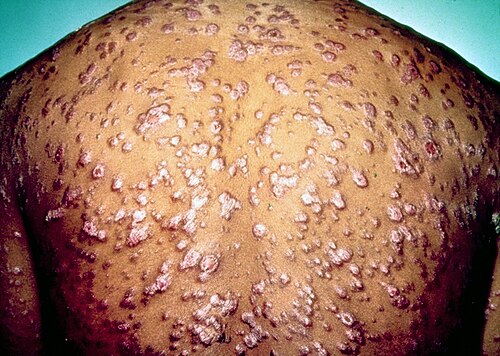
Syphilis Syphilis is a bacterial infection usually spread by sexual contact. The disease starts as a painless sore typically on your genitals, rectum or mouth. Syphilis spreads from person to person via skin or mucous membrane contact with these sores. After the initial infection, the syphilis bacteria can remain inactive (dormant) in your body for decades before becoming active again. Early syphilis can be cured, sometimes with a single shot (injection) of penicillin. Without treatment, syphilis can severely damage your heart, brain or other organs, and can be life-threatening. Syphilis can also be passed from mothers to unborn children. Symptoms For Syphilis Syphilis develops in stages, and symptoms vary with each stage. But the stages may overlap, and symptoms don’t always occur in the same order. You may be infected with syphilis and not notice any symptoms for years. Primary syphilis The first sign of syphilis is a small sore, called a chancre (SHANG-kur). The sore appears at the spot where the bacteria entered your body. While most people infected with syphilis develop only one chancre, some people develop several of them. The chancre usually develops about three weeks after exposure. Many people who have syphilis don’t notice the chancre because it’s usually painless, and it may be hidden within the vagina or rectum. The chancre will heal on its own within three to six weeks. Secondary syphilis Within a few weeks of the original chancre healing, you may experience a rash that begins on your trunk but eventually covers your entire body  even the palms of your hands and the soles of your feet. This rash is usually not itchy and may be accompanied by wartlike sores in your mouth or genital area. Some people also experience hair loss, muscle aches, a fever, a sore throat and swollen lymph nodes. These signs and symptoms may disappear within a few weeks or repeatedly come and go for as long as a year. Latent syphilis If you aren’t treated for syphilis, the disease moves from the secondary stage to the hidden (latent) stage, when you have no symptoms. The latent stage can last for years. Signs and symptoms may never return, or the disease may progress to the third (tertiary) stage. Tertiary syphilis About 15% to 30% of people infected with syphilis who don’t get treatment will develop complications known as late (tertiary) syphilis. In the late stage, the disease may damage your brain, nerves, eyes, heart, blood vessels, liver, bones and joints. These problems may occur many years after the original, untreated infection. Neurosyphilis At any stage, syphilis can spread and, among other damage, cause damage to the brain and nervous system (neurosyphilis) and the eye (ocular syphilis). Congenital syphilis Babies born to women who have syphilis can become infected through the placenta or during birth. Most newborns with congenital syphilis have no symptoms, although some experience a rash on the palms of their hands and the soles of their feet. Later signs and symptoms may include deafness, teeth deformities and saddle nose where the bridge of the nose collapses. However, babies born with syphilis can also be born too early, be born dead (stillborn) or die after birth. When to see a doctor? Call your doctor if you or your child experiences any unusual discharge, sore or rash particularly if it occurs in the groin area. Causes of Syphilis The cause of syphilis is a bacterium called Treponema pallidum. The most common route of transmission is through contact with an infected person’s sore during sexual activity. The bacteria enter your body through minor cuts or abrasions in your skin or mucous membranes. Syphilis is contagious during its primary and secondary stages, and sometimes in the early latent period. Less commonly, syphilis may spread through direct unprotected close contact with an active lesion (such as during kissing) or through infected mothers to their babies during pregnancy or childbirth (congenital syphilis). Syphilis can’t be spread by using the same toilet, bathtub, clothing or eating utensils, or from doorknobs, swimming pools or hot tubs. Once cured, syphilis doesn’t recur on its own. However, you can become reinfected if you have contact with someone’s syphilis sore. Risk factors You face an increased risk of acquiring syphilis if you: Complications of Syphilis Without treatment, syphilis can lead to damage throughout your body. Syphilis also increases the risk of  HIV infection and, for women, can cause problems during pregnancy. Treatment can help prevent future damage but can’t repair or reverse damage that’s already occurred. Small bumps or tumors Called gummas, these bumps can develop on your skin, bones, liver or any other organ in the late stage of syphilis. Gummas usually disappear after treatment with antibiotics. Neurological problems Syphilis can cause a number of problems with your nervous system, including: These may include bulging (aneurysm) and inflammation of the aorta your body’s major artery and of other blood vessels. Syphilis may also damage heart valves. HIV infection Adults with sexually transmitted syphilis or other genital ulcers have an estimated two- to fivefold increased risk of contracting HIV. A syphilis sore can bleed easily, providing an easy way for HIV to enter your bloodstream during sexual activity. Pregnancy and childbirth complications If you’re pregnant, you may pass syphilis to your unborn baby. Congenital syphilis greatly increases the risk of miscarriage, stillbirth or your newborn’s death within a few days after birth. Prevention of Syphilis There is no vaccine for syphilis. To help prevent the spread of syphilis, follow these suggestions: Abstain or be monogamous.  The only certain way to avoid syphilis is to not have (abstain from) sex. The next-best option is to have mutually monogamous sex in which both people have sex only with each other and neither partner is infected. Use condom.  Condoms can reduce your risk of contracting syphilis, but only if the condom covers the syphilis sores. Avoid recreational drugs.  Misuse of alcohol or other drugs can inhibit your judgment and lead to unsafe sexual practices. Partner notification and preventive treatment

Syphilis Read More »

Sexually transmitted diseases (STDs)

Sexually transmitted diseases (STDs) Sexually transmitted diseases (STDs) or sexually transmitted infections (STIs)  are generally acquired by sexual contact. The organisms (bacteria, viruses or parasites) that cause sexually transmitted diseases may pass from person to person in blood, semen, or vaginal and other bodily fluids. Sometimes these infections can be transmitted nonsexually, such as from mother to infant during pregnancy or childbirth, or through blood transfusions or shared needles. STDs don’t always cause symptoms. It’s possible to contract sexually transmitted diseases from people who seem perfectly healthy and may not even know they have an infection. Causes of Sexually transmitted diseases (STDs) Sexually transmitted diseases (STDs) or sexually transmitted infections (STIs) can be caused by: N.B – Sexual activity plays a role in spreading many other kinds of infections, although it’s possible to be infected without sexual contact. Examples include the hepatitis A, B and C viruses, shigella, and Giardia intestinalis Symptoms of Sexually transmitted diseases (STDs) Sexually transmitted diseases (STDs) or sexually transmitted infections (STIs) can have a range of signs and symptoms, including no symptoms. That’s why they may go unnoticed until complications occur or a partner is diagnosed. Signs and symptoms that might indicate an  STI include: N.B – Signs and symptoms may appear a few days after exposure, or it may take years before you have any noticeable problems, depending on the organism. When to see a doctor? See a doctor immediately if: Make an appointment with a doctor: When you consider becoming sexually active or when you’re 21 whichever comes first Before you start having sex with a new partner. Risk factors Anyone who is sexually active risks some degree of exposure to a sexually transmitted disease (STD) or a sexually transmitted infection (STI). Factors that may increase that risk include: Having unprotected sex.  Vaginal or anal penetration by an infected partner who isn’t wearing a latex condom significantly increases the risk of getting an  STI. Improper or inconsistent use of condoms can also increase your risk. Oral sex may be less risky, but infections can still be transmitted without a latex condom or a dental dam a thin, square piece of rubber made with latex or silicone. Having sexual contact with multiple partners.  The more people you have sexual contact with, the greater your risk. This is true for concurrent partners as well as monogamous consecutive relationships. Having a history of  STIs.  Having one  STI makes it much easier for another  STI to take hold. Anyone forced to have sexual intercourse or sexual activity. Dealing with rape or assault can be difficult, but it’s important to see a doctor as soon as possible so that you can receive screening, treatment and emotional support. Misuse of alcohol or use of recreational drugs.  Substance misuse can inhibit your judgment, making you more willing to participate in risky behaviors. Injecting drugs.  Needle sharing spreads many serious infections, including  HIV, hepatitis B and hepatitis C. Being young.  Half the  STIs occur in people between the ages of 15 and 24. Men who request prescriptions for drugs to treat erectile dysfunction.  Men who ask their doctors for prescriptions for drugs such as sildenafil (Viagra, Revatio), tadalafil (Cialis, Adcirca) and vardenafil (Levitra) have higher rates of  STIs. Be sure you are up to date on safe sex practices if you ask your doctor for one of these medications. Transmission from mother to infant Certain  STIs such as gonorrhea, chlamydia,  HIV and syphilis can be passed from an infected mother to her child during pregnancy or delivery.  STIs in infants can cause serious problems or even death. All pregnant women should be screened for these infections and treated. Complications Because many people in the early stages of a sexually transmitted disease (STD) or sexually transmitted infection (STI) experience no symptoms, screening for  STIs is important in preventing complications. Possible complications include: Prevention There are several ways to avoid or reduce your risk of sexually transmitted diseases (STDs) or sexually transmitted infections (STIs). Abstain.  The most effective way to avoid  STIs is to not have (abstain from) sex. Stay with one uninfected partner.  Another reliable way of avoiding  STIs is to stay in a long-term mutually monogamous relationship in which both people have sex only with each other and neither partner is infected. Wait and test.  Avoid vaginal and anal intercourse with new partners until you have both been tested for  STIs. Oral sex is less risky, but use a latex condom or dental dam to prevent direct (skin-to-skin) contact between the oral and genital mucous membranes. Get vaccinated.  Getting vaccinated early, before sexual exposure, is also effective in preventing certain types of  STIs. Vaccines are available to prevent human papillomavirus (HPV), hepatitis A and hepatitis B. The Centers for Disease Control and Prevention (CDC) recommends the  HPV vaccine for girls and boys ages 11 and 12. If not fully vaccinated at ages 11 and 12, the  CDC recommends that girls and women through age 26 and boys and men through age 26 receive the vaccine. The hepatitis B vaccine is usually given to newborns, and the hepatitis A vaccine is recommended for 1-year-olds. Both vaccines are recommended for people who aren’t already immune to these diseases and for those who are at increased risk of infection, such as men who have sex with men and IV drug users. Use condoms and dental dams consistently and correctly. Use a new latex condom or dental dam for each sex act, whether oral, vaginal or anal. Never use an oil-based lubricant, such as petroleum jelly, with a latex condom or dental dam. Condoms made from natural membranes are not recommended because they’re not as effective at preventing  STIs. Keep in mind that while condoms reduce your risk of exposure to most  STIs, they provide less protection for  STIs involving exposed genital sores, such as  HPV or herpes. Also, nonbarrier forms of contraception, such as birth control pills (oral contraceptives) or intrauterine devices (IUDs), don’t protect against  STIs. Don’t drink alcohol excessively or use

Sexually transmitted diseases (STDs) Read More »

Ringworm (body)

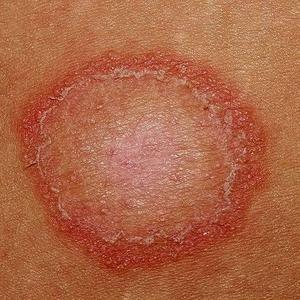
Ringworm (body) Ringworm of the body (tinea corporis) is a rash caused by a fungal infection. It’s usually a red, itchy, circular rash with clearer skin in the middle. Ringworm gets its name because of its appearance. No worm is involved. Ringworm of the body is related to athlete’s foot (tinea pedis), jock itch (tinea cruris) and ringworm of the scalp (tinea capitis). Ringworm often spreads by direct skin-to-skin contact with an infected person or animal. Mild ringworm often responds to antifungal medications that you apply to your skin. For moresevere infections, you may need to take antifungal pills for several weeks. Causes of Ringworm Ringworm is a contagious fungal infection caused by common mold-like parasites that live on the cells in the outer layer of your skin. It can be spread in the following ways: Human to human.  Ringworm often spreads by direct, skin-to-skin contact with an infected person. Animal to human.  You can contract ringworm by touching an animal with ringworm. Ringworm can spread while petting or grooming dogs or cats. It’s also fairly common in cows. Object to human.  It’s possible for ringworm to spread by contact with objects or surfaces that an infected person or animal has recently touched or rubbed against, such as clothing, towels, bedding and linens, combs, and brushes. Soil to human.  In rare cases, ringworm can be spread to humans by contact with infected soil. Infection would most likely occur only from prolonged contact with highly infected soil. Ringworm is a contagious fungal infection caused by common mold-like parasites that live on the cells in the outer layer of your skin. It can be spread in the following ways: Human to human. Ringworm often spreads by direct, skin-to-skin contact with an infected person. Animal to human. You can contract ringworm by touching an animal with ringworm. Ringworm can spread while petting or grooming dogs or cats. It’s also fairly common in cows. Object to human. It’s possible for ringworm to spread by contact with objects or surfaces that an infected person or animal has recently touched or rubbed against, such as clothing, towels, bedding and linens, combs, and brushes. Soil to human. In rare cases, ringworm can be spread to humans by contact with infected soil. Infection would most likely occur only from prolonged contact with highly infected soil. Symptoms of Ringworm Signs and symptoms of ringworm may include: May itch When to see a doctor Talk to your doctor if you have a rash that doesn’t begin to improve within two weeks of using an over-the-counter antifungal product. You may need prescription medication. Risk factors You’re at higher risk of ringworm of the body if you: Complications A fungal infection rarely spreads below the surface of the skin to cause serious illness. But people with weak immune systems, such as those with HIV/AIDS, may find it difficult to get rid of the infection. Prevention Ringworm is difficult to prevent.  The fungus that causes it is common, and the condition is contagious even before symptoms appear. Take these steps to reduce your risk of ringworm: Educate yourself and others.  Be aware of the risk of ringworm from infected people or pets. Tell your children about ringworm, what to watch for and how to avoid infection. Keep clean.  Wash your hands often. Keep shared areas clean, especially in schools, child care centers, gyms and locker rooms. If you participate in contact sports, shower right after practice or a match and keep your uniform and gear clean. Stay cool and dry.  Don’t wear thick clothing for long periods of time in warm, humid weather. Avoid excessive sweating. Avoid infected animals.  The infection often looks like a patch of skin where fur is missing. If you have pets or other animals, ask your veterinarian to check them for ringworm. Don’t share personal items.  Don’t let others use your clothing, towels, hairbrushes, sports gear or other personal items. And don’t borrow such things. Diagnosis Your doctor might be able to diagnose ringworm simply by looking at it. Your doctor may take skin scrapings from the affected area so that they can be examined under a microscope. Treatment If over-the-counter treatments don’t work, you may need prescription-strength antifungal medications such as a lotion, cream or ointment that you apply to the affected skin. If your infection is particularly severe or extensive, your doctor might prescribe antifungal pills. Lifestyle and home remedies For a mild case of ringworm, try these self-care tips. Visit us on : www.healthalert.co.za    Calls us on : +27 82 0941 375   Email us on : info@healthalert.co.za  

Ringworm (body) Read More »

Prostate cancer

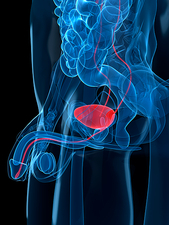
Prostate cancer Prostate cancer is cancer that occurs in the prostate a small walnut-shaped gland in men that produces the seminal fluid that nourishes and transports sperm. Prostate cancer is one of the most common types of cancer in men. Usually prostate cancer grows slowly and is initially confined to the prostate gland, where it may not cause serious harm. However, while some types of prostate cancer grow slowly and may need minimal or even no treatment, other types are aggressive and can spread quickly. Prostate cancer that’s detected early when it’s still confined to the prostate gland has a better chance of successful treatment. Causes of Prostate cancer It’s not clear what causes prostate cancer. Doctors know that prostate cancer begins when some cells in your prostate become abnormal. Mutations in the abnormal cells’ DNA cause the cells to grow and divide more rapidly than normal cells do. The abnormal cells continue living, when other cells would die. The accumulating abnormal cells form a tumor that can grow to invade nearby tissue. Some abnormal cells can also break off and spread (metastasize) to other parts of the body. Symptoms of Prostate cancer Prostate cancer may cause no signs or symptoms in its early stages. Prostate cancer that’s more advanced may cause signs and symptoms such as: When to see a doctor Make an appointment with your doctor if you have any signs or symptoms that worry you. Debate continues regarding the risks and benefits of prostate cancer screening, and medical organizations differ on their recommendations. Discuss prostate cancer screening with your doctor. Together, you can decide what’s best for you. Risk factors Factors that can increase your risk of prostate cancer include: Age.  Your risk of prostate cancer increases as you age. Race.  For reasons not yet determined, black men carry a greater risk of prostate cancer than do men of other races. In black men, prostate cancer is also more likely to be aggressive or advanced. Family history.  If men in your family have had prostate cancer, your risk may be increased. Also, if you have a family history of genes that increase the risk of breast cancer (BRCA1 or BRCA2) or a very strong family history of breast cancer, your risk of prostate cancer may be higher. Obesity.  Obese men diagnosed with prostate cancer may be more likely to have advanced disease that’s more difficult to treat. Complications Complications of prostate cancer and its treatments include: Cancer that spreads (metastasizes).  Prostate cancer can spread to nearby organs, such as your bladder, or travel through your bloodstream or lymphatic system to your bones or other organs. Prostate cancer that spreads to the bones can cause pain and broken bones. Once prostate cancer has spread to other areas of the body, it may still respond to treatment and may be controlled, but it’s unlikely to be cured. Incontinence.  Both prostate cancer and its treatment can cause urinary incontinence. Treatment for incontinence depends on the type you have, how severe it is and the likelihood it will improve over time. Treatment options may include medications, catheters and surgery. Erectile dysfunction.  Erectile dysfunction can result from prostate cancer or its treatment, including surgery, radiation or hormone treatments. Medications, vacuum devices that assist in achieving erection and surgery are available to treat erectile dysfunction. Prevention of Prostate cancer You can reduce your risk of prostate cancer if you: Choose a healthy diet full of fruits and vegetables.  Avoid high-fat foods and instead focus on choosing a variety of fruits, vegetables and whole grains. Fruits and vegetables contain many vitamins and nutrients that can contribute to your health. Whether you can prevent prostate cancer through diet has yet to be conclusively proved. But eating a healthy diet with a variety of fruits and vegetables can improve your overall health. Choose healthy foods over supplements.  No studies have shown that supplements play a role in reducing your risk of prostate cancer. Instead, choose foods that are rich in vitamins and minerals so that you can maintain healthy levels of vitamins in your body. Exercise most days of the week.  Exercise improves your overall health, helps you maintain your weight and improves your mood. There is some evidence that men who don’t exercise have higher PSA levels, while men who exercise may have a lower risk of prostate cancer. Try to exercise most days of the week. If you’re new to exercise, start slow and work your way up to more exercise time each day. Maintain a healthy weight.  If your current weight is healthy, work to maintain it by exercising most days of the week. If you need to lose weight, add more exercise and reduce the number of calories you eat each day. Ask your doctor for help creating a plan for healthy weight loss. Talk to your doctor about increased risk of prostate cancer.  Men with a high risk of prostate cancer may consider medications or other treatments to reduce their risk. Some studies suggest that taking 5-alpha reductase inhibitors, including finasteride (Propecia, Proscar) and dutasteride (Avodart), may reduce the overall risk of developing prostate cancer. These drugs are used to control prostate gland enlargement and hair loss in men. However, some evidence indicates that men taking these medications may have an increased risk of getting a more serious form of prostate cancer (high-grade prostate cancer). If you’re concerned about your risk of developing prostate cancer, talk with your doctor. Diagnosis Screening for prostate cancer Whether to test healthy men with no symptoms for prostate cancer is controversial. Medical organizations don’t agree on the issue of screening and whether it delivers benefits. Some medical organizations recommend men consider prostate cancer screening in their 50s, or sooner for men who have risk factors for prostate cancer. Discuss your particular situation and the benefits and risks of screening with your doctor. Together, you can decide whether prostate cancer screening is right for you. Prostate screening tests might include: Digital rectal exam (DRE).  During

Prostate cancer Read More »

Hypothermia

Hypothermia Hypothermia is a medical emergency that occurs when your body loses heat faster than it can produce heat, causing a dangerously low body temperature. Normal body temperature is around 98.6 F (37 C). Hypothermia occurs as your body temperature falls below 95 F (35 C). When your body temperature drops, your heart, nervous system and other organs can’t work normally. Left untreated, hypothermia can eventually lead to complete failure of your heart and respiratory system and eventually to death. Hypothermia is often caused by exposure to cold weather or immersion in cold water. Primary treatments for hypothermia are methods to warm the body back to a normal temperature. Causes of Hypothermia Hypothermia occurs when your body loses heat faster than it produces it. The most common causes of hypothermia are exposure to cold-weather conditions or cold water. But prolonged exposure to any environment colder than your body can lead to hypothermia if you aren’t dressed appropriately or can’t control the conditions. Specific conditions leading to hypothermia include: How your body loses heat The mechanisms of heat loss from your body include the following: Radiated heat.  Most heat loss is due to heat radiated from unprotected surfaces of your body. Direct contact. If you’re in direct contact with something very cold, such as cold water or the cold ground, heat is conducted away from your body. Because water is very good at transferring heat from your body, body heat is lost much faster in cold water than in cold air. Similarly, heat loss from your body is much faster if your clothes are wet, as when you’re caught out in the rain. Wind. Wind removes body heat by carrying away the thin layer of warm air at the surface of your skin. A wind chill factor is important in causing heat loss. Symptoms of Hypothermia Shivering is likely the first thing you’ll notice as the temperature starts to drop because it’s your body’s automatic defense against cold temperature an attempt to warm itself. Signs and symptoms of hypothermia include: N.B – Someone with hypothermia usually isn’t aware of his or her condition because the symptoms often begin gradually. Also, the confused thinking associated with hypothermia prevents self-awareness. The confused thinking can also lead to risk-taking behavior. When to see a doctor? Call 999 0R  082 094 1375 or your local emergency number if you suspect someone has hypothermia. While you wait for emergency help to arrive, gently move the person inside if possible. Jarring movements can trigger dangerous irregular heartbeats. Carefully remove his or her wet clothing, replacing it with warm, dry coats or blankets. Risk factors Risk factors for hypothermia include: Exhaustion.  Your tolerance for cold diminishes when you are fatigued. Older age.  The body’s ability to regulate temperature and to sense cold may lessen with age. And some older adults may not be able to communicate when they are cold or to move to a warm location if they do feel cold. Very young age.  Children lose heat faster than adults do. Children may also ignore the cold because they’re having too much fun to think about it. And they may not have the judgment to dress properly in cold weather or to get out of the cold when they should. Mental problems.  People with a mental illness, dementia or other conditions that interfere with judgment may not dress appropriately for the weather or understand the risk of cold weather. People with dementia may wander from home or get lost easily, making them more likely to be stranded outside in cold or wet weather. Alcohol and drug use.  Alcohol may make your body feel warm inside, but it causes your blood vessels to expand, resulting in more rapid heat loss from the surface of your skin. The body’s natural shivering response is diminished in people who’ve been drinking alcohol. In addition, the use of alcohol or recreational drugs can affect your judgment about the need to get inside or wear warm clothes in cold weather conditions. If a person is intoxicated and passes out in cold weather, he or she is likely to develop hypothermia. Certain medical conditions.  Some health disorders affect your body’s ability to regulate body temperature. Examples include an underactive thyroid (hypothyroidism), poor nutrition or anorexia nervosa, diabetes, stroke, severe arthritis, Parkinson’s disease, trauma, and spinal cord injuries. Medications.  Some drugs can change the body’s ability to regulate its temperature. Examples include certain antidepressants, antipsychotics, narcotic pain medications and sedatives. Complications People who develop hypothermia because of exposure to cold weather or cold water are also vulnerable to other cold-related injuries, including: Freezing of body tissues (frostbite) Decay and death of tissue resulting from an interruption in blood flow (gangrene) Prevention Staying warm in cold weather Before you or your children step out into cold air, remember the advice that follows with the simple acronym COLD cover, overexertion, layers, dry: Cover.  Wear a hat or other protective covering to prevent body heat from escaping from your head, face and neck. Cover your hands with mittens instead of gloves. Overexertion.  Avoid activities that would cause you to sweat a lot. The combination of wet clothing and cold weather can cause you to lose body heat more quickly. Layers.  Wear loosefitting, layered, lightweight clothing. Outer clothing made of tightly woven, waterrepellent material is best for wind protection. Wool, silk or polypropylene inner layers hold body heat better than cotton does. Dry.  Stay as dry as possible. Get out of wet clothing as soon as possible. Be especially careful to keep your hands and feet dry, as it’s easy for snow to get into mittens and boots. Keeping children safe from the cold To help prevent hypothermia when children are outside in the winter: Alcohol To avoid alcohol-related risks of hypothermia, don’t drink alcohol: Wear a life jacket.  If you plan to ride in a watercraft, wear a life jacket. A life jacket can help you stay alive longer in cold water by enabling you to float

Hypothermia Read More »

High blood pressure (hypertension)

High blood pressure (hypertension) High blood pressure is a common condition in which the long-term force of the blood against your artery walls is high enough that it may eventually cause health problems, such as heart disease. Blood pressure is determined both by the amount of blood your heart pumps and the amount of resistance to blood flow in your arteries. The more blood your heart pumps and the narrower your arteries, the higher your blood pressure. You can have high blood pressure (hypertension) for years without any symptoms. Even without symptoms, damage to blood vessels and your heart continues and can be detected. Uncontrolled high blood pressure increases your risk of serious health problems, including heart attack and stroke. High blood pressure generally develops over many years, and it affects nearly everyone eventually. Fortunately, high blood pressure can be easily detected. And once you know you have high blood pressure, you can work with your doctor to control it. Causes of High blood pressure There are two types of high blood pressure. Primary (essential) hypertension For most adults, there’s no identifiable cause of high blood pressure. This type of high blood pressure, called primary (essential) hypertension, tends to develop gradually over many years. Secondary hypertension Some people have high blood pressure caused by an underlying condition. This type of high blood pressure, called secondary hypertension, tends to appear suddenly and cause higher blood pressure than does primary hypertension. Various conditions and medications can lead to secondary hypertension, including: Risk factors High blood pressure has many risk factors, including: Age.  The risk of high blood pressure increases as you age. Until about age 64, high blood pressure is more common in men. Women are more likely to develop high blood pressure after age 65. Race.  High blood pressure is particularly common among people of African heritage, often developing at an earlier age than it does in whites. Serious complications, such as stroke, heart attack and kidney failure, also are more common in people of African heritage. Family history.  High blood pressure tends to run in families. Being overweight or obese.  The more you weigh the more blood you need to supply oxygen and nutrients to your tissues. As the volume of blood circulated through your blood vessels increases, so does the pressure on your artery walls. Not being physically active.  People who are inactive tend to have higher heart rates. The higher your heart rate, the harder your heart must work with each contraction and the stronger the force on your arteries. Lack of physical activity also increases the risk of being overweight. Using tobacco.  Not only does smoking or chewing tobacco immediately raise your blood pressure temporarily, but the chemicals in tobacco can damage the lining of your artery walls. This can cause your arteries to narrow and increase your risk of heart disease. Secondhand smoke also can increase your heart disease risk. Too much salt (sodium) in your diet.  Too much sodium in your diet can cause your body to retain fluid, which increases blood pressure. Too little potassium in your diet. Potassium helps balance the amount of sodium in your cells. If you don’t get enough potassium in your diet or retain enough potassium, you may accumulate too much sodium in your blood. Drinking too much alcohol.  Over time, heavy drinking can damage your heart. Having more than one drink a day for women and more than two drinks a day for men may affect your blood pressure. If you drink alcohol, do so in moderation.  For healthy adults, that means up to one drink a day for women and two drinks a day for men. One drink equals 12 ounces of beer, 5 ounces of wine or 1.5 ounces of 80-proof liquor. Stress.  High levels of stress can lead to a temporary increase in blood pressure. If you try to relax by eating more, using tobacco or drinking alcohol, you may only increase problems with high blood pressure. Certain chronic conditions.  Certain chronic conditions also may increase your risk of high blood pressure, such as kidney disease, diabetes and sleep apnea. Sometimes pregnancy contributes to high blood pressure, as well. Although high blood pressure is most common in adults, children may be at risk, too. For some children, high blood pressure is caused by problems with the kidneys or heart. But for a growing number of kids, poor lifestyle habits, such as an unhealthy diet, obesity and lack of exercise, contribute to high blood pressure. Symptoms of High blood pressure Most people with high blood pressure have no signs or symptoms, even if blood pressure readings reach dangerously high levels. A few people with high blood pressure may have headaches, shortness of breath or nosebleeds, but these signs and symptoms aren’t specific and usually don’t occur until high blood pressure has reached a severe or life-threatening stage. When to see a doctor You’ll likely have your blood pressure taken as part of a routine doctor’s appointment. Ask your doctor for a blood pressure reading at least every two years starting at age 18. If you’re age 40 or older, or you’re 18 to 39 with a high risk of high blood pressure, ask your doctor for a blood pressure reading every year. Blood pressure generally should be checked in both arms to determine if there’s a difference. It’s important to use an appropriate-sized arm cuff. Your doctor will likely recommend more frequent readings if you’ve already been diagnosed with high blood pressure or have other risk factors for cardiovascular disease. Children age 3 and older will usually have blood pressure measured as a part of their yearly checkups. If you don’t regularly see your doctor, you may be able to get a free blood pressure screening at a health resource fair or other locations in your community. You can also find machines in some stores that will measure your blood pressure for free. Public blood pressure machines, such as those found in pharmacies, may provide

High blood pressure (hypertension) Read More »

Gonorrhea

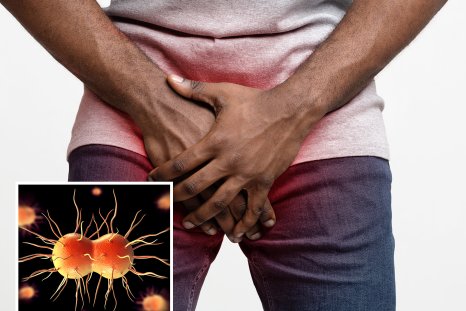
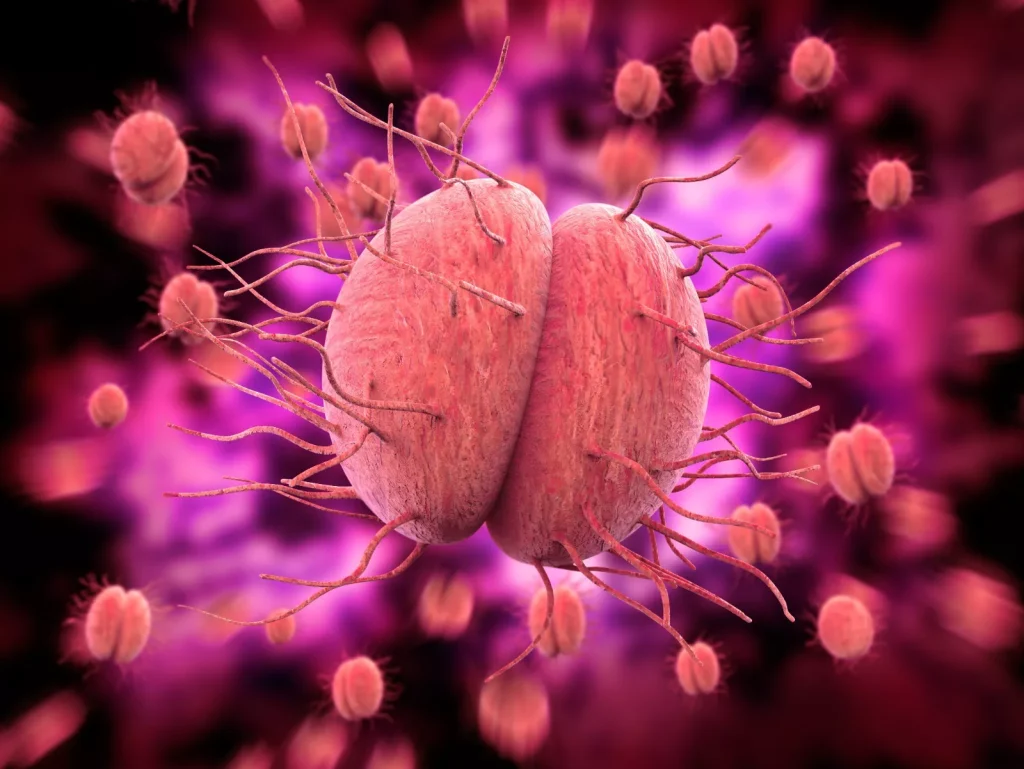
Gonorrhea Gonorrhea is an infection caused by a sexually transmitted bacterium that can infect both males and females. Gonorrhea most often affects the urethra, rectum or throat. In females, gonorrhea can also infect the cervix. Gonorrhea is most commonly spread during sex. But babies can be infected during childbirth if their mothers are infected. In babies, gonorrhea most commonly affects the eyes. Gonorrhea is a common infection that, in many cases, causes no symptoms. You may not even know that you’re infected. Abstaining from sex, using a condom if you do have sex and being in a mutually monogamous relationship are the best ways to prevent sexually transmitted infections. Symptoms of Gonorrhea In many cases, gonorrhea infection causes no symptoms. When symptoms do appear, gonorrhea infection can affect multiple sites in your body, but it commonly appears in the genital tract. Gonorrhea affecting the genital tract Signs and symptoms of gonorrhea infection in men include: Signs and symptoms of gonorrhea infection in women include: Gonorrhea at other sites in the body Gonorrhea can also affect these parts of the body: Rectum.  Signs and symptoms include anal itching, pus-like discharge from the rectum, spots of bright red blood on toilet tissue and having to strain during bowel movements. Eyes.  Gonorrhea that affects your eyes may cause eye pain, sensitivity to light, and pus-like discharge from one or both eyes. Throat.  Signs and symptoms of a throat infection may include a sore throat and swollen lymph nodes in the neck. Joints.  If one or more joints become infected by bacteria (septic arthritis), the affected joints may be warm, red, swollen and extremely painful, especially when you move an affected joint. When to see your doctor Make an appointment with your doctor if you notice any troubling signs or symptoms, such as a burning sensation when you urinate or a pus-like discharge from your penis, vagina or rectum. Also make an appointment with your doctor if your partner has been diagnosed with gonorrhea. You may not experience signs or symptoms that prompt you to seek medical attention. But without treatment, you can reinfect your partner even after he or she has been treated for gonorrhea. Causes of Gonorrhea Gonorrhea is caused by the bacterium Neisseria gonorrhoeae. The gonorrhea bacteria are most often passed from one person to another during sexual contact, including oral, anal or vaginal intercourse. Risk factors Factors that may increase your risk of gonorrhea infection include: Complications of Gonorrhea Untreated gonorrhea can lead to significant complications, such as: Infertility in women.  Untreated gonorrhea can spread into the uterus and fallopian tubes, causing pelvic inflammatory disease (PID), which may result in scarring of the tubes, greater risk of pregnancy complications and infertility. PID is a serious infection that requires immediate treatment. Infertility in men.  Men with untreated gonorrhea can experience epididymitis inflammation of a small, coiled tube in the rear portion of the testicles where the sperm ducts are located (epididymis). Epididymitis is treatable, but if left untreated, it may lead to infertility. Infection that spreads to the joints and other areas of your body.  The bacterium that causes gonorrhea can spread through the bloodstream and infect other parts of your body, including your joints. Fever, rash, skin sores, joint pain, swelling and stiffness are possible results. Increased risk of HIV/AIDS.  Having gonorrhea makes you more susceptible to infection with human immunodeficiency virus (HIV), the virus that leads to AIDS. People who have both gonorrhea and HIV are able to pass both diseases more readily to their partners. Complications in babies.  Babies who contract gonorrhea from their mothers during birth can develop blindness, sores on the scalp and infections. Prevention of Gonorrhea Take steps to reduce your risk of gonorrhea: Use a condom if you choose to have sex.  Abstaining from sex is the surest way to prevent gonorrhea. But if you choose to have sex, use a condom during any type of sexual contact, including anal sex, oral sex or vaginal sex. Ask your partner to be tested for sexually transmitted infections.  Find out whether your partner has been tested for sexually transmitted infections, including gonorrhea. If not, ask whether he or she would be willing to be tested. Don’t have sex with someone who has any unusual symptoms.  If your partner has signs or symptoms of a sexually transmitted infection, such as burning during urination or a genital rash or sore, don’t have sex with that person. Consider regular gonorrhea screening.  Annual screening is recommended for all sexually active women less than 25 years of age and for older women at increased risk of infection, such as those who have a new sex partner, more than one sex partner, a sex partner with concurrent partners, or a sex partner who has a sexually transmitted infection. Regular screening is also recommended for men who have sex with men, as well as their partners. To avoid reinfection with gonorrhea, abstain from unprotected sex for seven days after you and your sex partner have completed treatment and after resolution of symptoms, if present. Diagnosis of Gonorrhea To determine whether the gonorrhea bacterium is present in your body, your doctor will analyze a sample of cells. Samples can be collected by: Urine test.  This may help identify bacteria in your urethra. Swab of affected area.  A swab of your throat, urethra, vagina or rectum may collect bacteria that can be identified in a laboratory. For women, home test kits are available for gonorrhea.  Home test kits include vaginal swabs for self-testing that are sent to a specified lab for testing. If you prefer, you can choose to be notified by email or text message when your results are ready. You may then view your results online or receive them by calling a toll-free hotline. Testing for other sexually transmitted infections Your doctor may recommend tests for other sexually transmitted infections. Gonorrhea increases your risk of these infections, particularly chlamydia, which often accompanies gonorrhea. Testing for HIV also is recommended for anyone diagnosed

Gonorrhea Read More »