
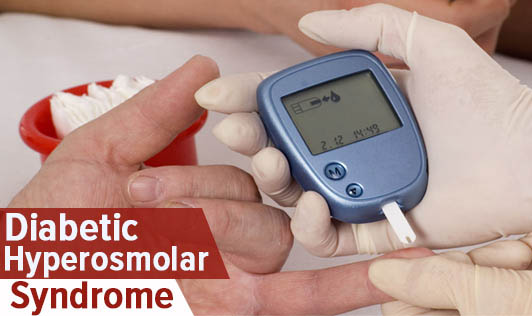
Diabetic hyperosmolar syndrome
Diabetic hyperosmolar syndrome is a serious condition caused by extremely high blood sugar levels.
The condition most commonly occurs in people with type 2 diabetes. It’s often triggered by illness
or infection.
As a result of diabetic hyperosmolar syndrome, your body tries to rid itself of the excess blood
sugar by passing it into your urine. Left untreated, diabetic hyperosmolar syndrome can lead to
life -threatening dehydration. Prompt medical care is essential.
Symptoms of Diabetic Hyperosmolar syndrome
Diabetic hyperosmolar syndrome can take days or weeks to develop. Possible signs and symptoms
include:
- Blood sugar level of 600 milligrams per deciliter (mg/dL) or 33.3 millimoles per liter (mmol/L)
or higher - Excessive thirst
- Dry mouth
- Increased urination
- Warm, dry skin
- Fever
- Drowsiness, confusion
- Hallucinations
- Vision loss
- Convulsions
- Coma
When to see a doctor?
Consult your doctor if your blood sugar is persistently higher than the target range your doctor
recommends, or if you have signs or symptoms of diabetic hyperosmolar syndrome, such as:
- Excessive thirst
- Increased urination
- Warm, dry skin
- Dry mouth
- Fever
Seek emergency care if:
Your blood sugar level is 400 mg/dL (22.2 mmol/L) or higher and doesn’t improve despite following
your doctor’s instructions for treatment. Don’t wait until your blood sugar is high enough to cause
diabetic hyperosmolar syndrome.
vision changes or other signs of dehydration.
Causes for Diabetic hyperosmolar syndrome
Diabetic hyperosmolar syndrome may be triggered by:
Illness or infection
Not following a diabetes treatment plan or having an inadequate treatment plan
Certain medications, such as water pills (diuretics)
Sometimes undiagnosed diabetes results in diabetic hyperosmolar syndrome.
Risk factors
Your risk of developing diabetic hyperosmolar syndrome might be higher if you:
Have type 2 diabetes.
If you don’t monitor your blood sugar or you don’t yet know you have type 2 diabetes, your risk is
higher.
Are older than age 65.
Have another chronic health condition, such as congestive heart failure or kidney disease.
Have an infection,
such as pneumonia, a urinary tract infection or a virus, which causes your blood sugar levels to
rise.
Take certain medications.
Some drugs such as corticosteroids (prednisone), diuretics (hydrochlorothiazide and chlorthalidone)
and the anti-seizure medication phenytoin (Dilantin).
Complications of Diabetic hyperosmolar syndrome
Diabetic hyperosmolar syndrome can lead to:
Seizures Heart attack Stroke Coma
N.B – Without prompt treatment, diabetic hyperosmolar syndrome can be fatal.
Prevention of Diabetic hyperosmolar syndrome
Good daily control of your diabetes can help you prevent diabetic hyperosmolar syndrome.
Know the symptoms of high blood sugar.
Be alert for the warning symptoms of high blood sugar, as well as the situations that put you at
risk of developing hyperosmolar syndrome, such as illness or infections.
Monitor your blood sugar level.
Monitoring will help you stay in your target range and alert you to dangerous highs. Ask your
doctor how often you should test your blood sugar. Monitor more often when you’re sick.
When you’re sick, drink plenty of liquids.
Drink a glass of nonalcoholic, caffeine-free beverage hourly until you can ask your doctor for
advice. Follow your diabetes management plan. Eat nutritious meals, take medications as directed
and exercise regularly.
Educate your loved ones, friends and co-workers.
Teach people you spend time with to recognize early signs and symptoms of blood sugar extremes and
to summon emergency help if you pass out.
Wear a medical ID bracelet or necklace.
If you’re unconscious, the ID can provide valuable information to others, including emergency
personnel.
Stay current on vaccinations.
Get an annual flu shot and ask your doctor if you need the pneumococcal vaccine, which protects
against some forms of pneumonia.
Diagnosis diabetic hyperosmolar syndrome
For diabetic hyperosmolar syndrome, prompt diagnosis is critical. The emergency medical team will
do a physical and mental status exam and may ask those who are with you about your medical history.
Lab tests
You’ll likely have blood and urine tests to measure your blood sugar level and kidney function and
to detect infection, among other conditions.
Treatment diabetic hyperosmolar syndrome
Emergency treatment can correct diabetic hyperosmolar syndrome within hours. Treatment typically
includes:
- Intravenous fluids to counter dehydration
- Intravenous insulin to lower your blood sugar levels
- Intravenous potassium, and occasionally sodium phosphate replacement to help your cells function
correctly - If you have an infection, or an underlying health condition, such as congestive heart failure or
kidney disease, these conditions will be treated, as well.
Visit us on : www.healthalert.co.za
Calls us on : +27 82 0941 375
Email us on : info@healthalert.co.za