August 14, 2025

Cholera

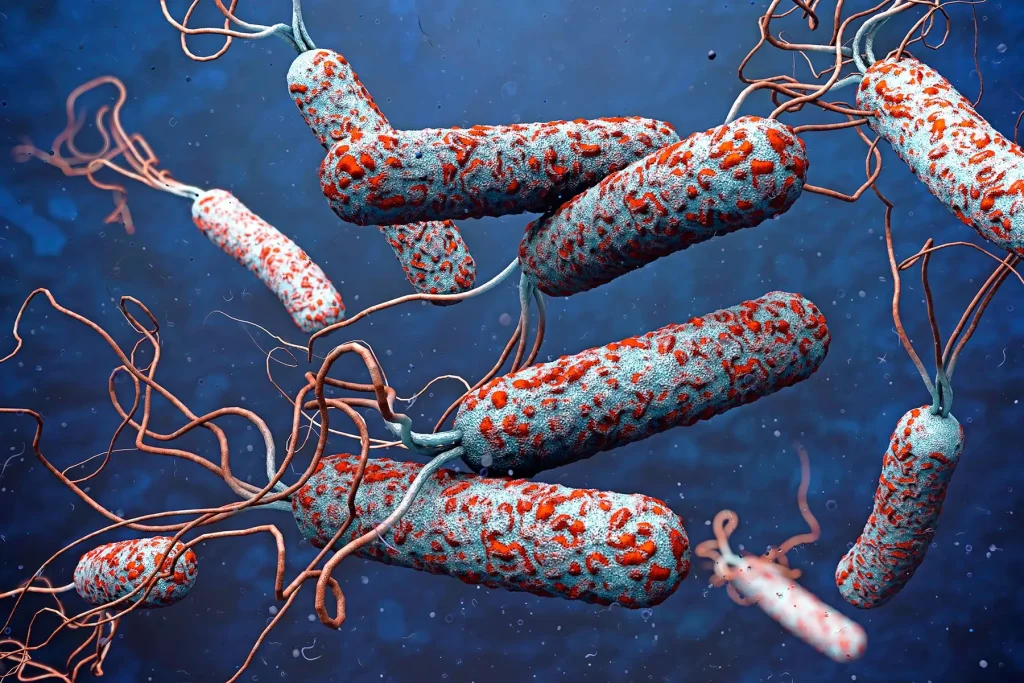
Cholera Cholera is a bacterial disease usually spread through contaminated water. Cholera causes severe diarrhea and dehydration. Left untreated, cholera can be fatal in a matter of hours, even in previously healthy people. Modern sewage and water treatment have virtually eliminated cholera in industrialized countries. The last major outbreak in Zimbabwe occurred in 2008 – 2009 . A resurgence outbreak began in 2024 to 2025 .But cholera is still present in Africa, Southeast Asia and Haiti. The risk of cholera epidemic is highest when poverty, war or natural disasters force people to live in crowded conditions without adequate sanitation. Cholera is easily treated. Death results from severe dehydration that can be prevented with a simple and inexpensive rehydration solution. Symptoms of Cholera Most people exposed to the cholera bacterium (Vibrio cholerae) don’t become ill and never know they’ve been infected. Yet because they shed cholera bacteria in their stool for seven to 14 days, they can still infect others through contaminated water. Most symptomatic cases of cholera cause mild or moderate diarrhea that’s often hard to distinguish from diarrhea caused by other problems. Only about 1 in 10 infected people develops more-serious signs and symptoms of cholera, usually within a few days of infection. Symptoms of cholera infection may include: Diarrhea.  Cholera-related diarrhea comes on suddenly and may quickly cause dangerous fluid loss — as much as a quart (about 1 liter) an hour. Diarrhea due to cholera often has a pale, milky appearance that resembles water in which rice has been rinsed (rice-water stool). Nausea and vomiting.  Occurring especially in the early stages of cholera, vomiting may persist for hours at a time. Dehydration.  Dehydration can develop within hours after the onset of cholera symptoms. Depending on how many body fluids have been lost, dehydration can range from mild to severe. A loss of 10 percent or more of total body weight indicates severe dehydration. Signs and symptoms of cholera dehydration include :  Dehydration may lead to a rapid loss of minerals in your blood (electrolytes) that maintain the balance of fluids in your body. This is called an electrolyte imbalance. Electrolyte imbalance An electrolyte imbalance can lead to serious signs and symptoms such as: Muscle cramps.  These result from the rapid loss of salts such as sodium, chloride and potassium. Shock.  This is one of the most serious complications of dehydration. It occurs when low blood volume causes a drop in blood pressure and a drop in the amount of oxygen in your body. If untreated, severe hypovolemic shock can cause death in a matter of minutes. Signs and symptoms of cholera in children In general, children with cholera have the same signs and symptoms adults do, but they are particularly susceptible to low blood sugar (hypoglycemia) due to fluid loss, which may cause: When to see a doctor? The risk of cholera is slight in industrialized nations, and even in endemic areas you’re not likely to become infected if you follow food safety recommendations. Still, sporadic cases of cholera occur throughout the world. If you develop severe diarrhea after visiting an area with active cholera, see your doctor. If you have diarrhea, especially severe diarrhea, and think you may have been exposed to cholera, seek treatment right away. Severe dehydration is a medical emergency that requires immediate care regardless of the cause. Causes of Cholera A bacterium called Vibrio cholerae causes cholera infection.  However, the deadly effects of the disease are the result of a potent toxin called CTX that the bacterium produce in the small intestine. CTX binds to the intestinal walls, where it interferes with the normal flow of sodium and chloride. This causes the body to secrete enormous amounts of water, leading to diarrhea and a rapid loss of fluids and salts (electrolytes). Contaminated water supplies are the main source of cholera infection, although raw shellfish, uncooked fruits and vegetables, and other foods also can harbor V. cholerae. Cholera bacteria have two distinct life cycles  one in the environment and one in humans. Cholera bacteria in the environment Cholera bacteria occur naturally in coastal waters, where they attach to tiny crustaceans called copepods. The cholera bacteria travel with their hosts, spreading worldwide as the crustaceans follow their food source  certain types of algae and plankton that grow explosively when water temperatures rise. Algae growth is further fueled by the urea found in sewage and in agricultural runoff. Cholera bacteria in people When humans ingest cholera bacteria, they may not become sick themselves, but they still pass the bacteria in their stool. When human feces contaminate food and water supplies, both can serve as ideal breeding grounds for the cholera bacteria. Because more than a million cholera bacteria  approximately the amount you’d find in a glass of contaminated water are needed to cause illness, cholera usually isn’t transmitted through casual person-to-person contact. The most common sources of cholera infection are standing water and certain types of food, including seafood, raw fruits and vegetables, and grains. Surface or well water.  Cholera bacteria can lie dormant in water for long periods, and contaminated public wells are frequent sources of large-scale cholera outbreaks. People living in crowded conditions without adequate sanitation are especially at risk of cholera. Seafood.  Eating raw or undercooked seafood, especially shellfish, that originates from certain locations can expose you to cholera bacteria. Most recent cases of cholera occurring in the Budiriro ,Harare. Raw fruits and vegetables.  Raw, unpeeled fruits and vegetables are a frequent source of cholera infection in areas where cholera is endemic. In developing nations, uncomposted manure fertilizers or irrigation water containing raw sewage can contaminate produce in the field. Grains.  In regions where cholera is widespread, grains such as rice and millet that are contaminated after cooking and allowed to remain at room temperature for several hours become a medium for the growth of cholera bacteria. Risk factors of Cholera Everyone is susceptible to cholera, with the exception of infants who derive immunity from nursing mothers who have previously had
Cholera Read More »

Chlamydia trachomatis

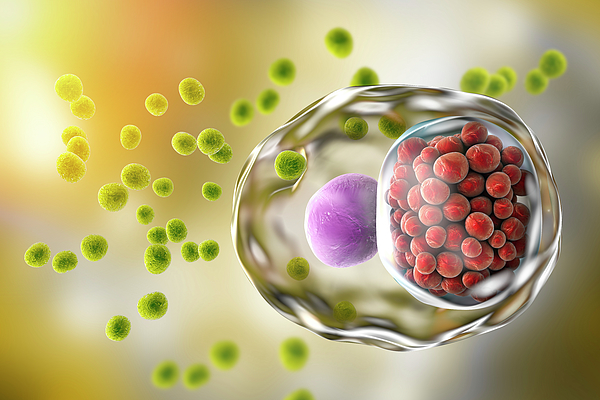
Chlamydia trachomatis Chlamydia trachomatis is a common sexually transmitted infection (STI) caused by bacteria. You may not know you have chlamydia because many people never develop the signs or symptoms, such as genital pain and discharge from the vagina or penis. Chlamydia trachomatis affects both men and women and occurs in all age groups, though it’s most prevalent among young women. Chlamydia isn’t difficult to treat once you know you have it. If left untreated, however, it can lead to more-serious health problems. Causes Chlamydia trachomatis Chlamydia trachomatis is caused by Chlamydia trachomatis bacterium and is most commonly spread through vaginal, oral and anal sex. It’s also possible for a mother to spread chlamydia to her child during delivery, causing pneumonia or a serious eye infection in her newborn. Symptoms Chlamydia trachomatis Early-stage Chlamydia trachomatis infections often cause few or no signs and symptoms. When signs or symptoms occur, they usually start one to two weeks after exposure to chlamydia. Even when signs and symptoms occur, they’re often mild and passing, making them easy to overlook. Signs and symptoms of chlamydia trachomatis infection may include: N.B – Chlamydia trachomatis can also infect the rectum. While these infections often cause no signs or symptoms, you may experience rectal pain, discharge or bleeding. It’s also possible to acquire chlamydial eye infections (conjunctivitis) through contact with infected secretions. When to see a doctor? See your doctor if you have a discharge from your vagina, penis or rectum, or if you have pain during urination. Also, see your doctor if your sexual partner reveals that he or she has chlamydia. Your doctor will likely prescribe an antibiotic even if you have no symptoms. Risk factors Factors that increase your risk of chlamydia trachomatis include: Complications Associated with Chlamydia trachomatis Chlamydia trachomatis can be associated with: Other sexually transmitted infections.  People who have chlamydia trachomatis are at higher risk of also having other STIs ” including gonorrhea and HIV, the virus that causes AIDS. Pelvic inflammatory disease (PID).  PID is an infection of the uterus and fallopian tubes that causes pelvic pain and fever. Severe infections may require hospitalization for intravenous antibiotics. PID can damage the fallopian tubes, ovaries and uterus, including the cervix. Infection near the testicles (epididymitis).  A chlamydia infection can inflame the coiled tube located beside each testicle (epididymis). The infection may result in fever, scrotal pain and swelling. Prostate gland infection.  The chlamydia organism can spread to a man’s prostate gland. Prostatitis may result in pain during or after sex, fever and chills, painful urination, and lower back pain . Infections in newborns.  The chlamydia infection can pass from the vaginal canal to your child during delivery, causing pneumonia or a serious eye infection. Infertility.  Chlamydia infections ” even those that produce no signs or symptoms ” can cause scarring and obstruction in the fallopian tubes, which may make women infertile. Reactive arthritis.  People who have chlamydia trachomatis are at higher risk of developing reactive arthritis, also known as Reiter’s syndrome. This condition typically affects the joints, eyes and urethra ” the tube that carries urine from your bladder to outside of your body. Prevention of Chlamydia trachomatis The surest way to prevent a chlamydia trachomatis infection is to abstain from sexual activities. Short of that, you can: Use condoms.  Use a male latex condom or a female polyurethane condom during each sexual contact. Condoms used properly during every sexual encounter reduce but don’t eliminate the risk of infection. Limit your number of sex partners. Having multiple sex partners puts you at a high risk of contracting chlamydia and other sexually transmitted infections. Get regular screenings.  If you’re sexually active, particularly if you have multiple partners, talk with your doctor about how often you should be screened for chlamydia and other sexually transmitted infections. Avoid douching.  Douching isn’t recommended because it decreases the number of good bacteria present in the vagina, which may increase the risk of infection. Diagnosis of Chlamydia trachomatis Because of the chance of other health problems if you contract chlamydia trachomatis, ask your doctor how often you should have chlamydia screening tests if you’re at risk. The Centers for Disease Control and Prevention recommends chlamydia screening for: Sexually active women age 25 or younger.  The rate of chlamydia infection is highest in this group, so a yearly screening test is recommended. Even if you’ve been tested in the past year, get tested when you have a new sex partner. Pregnant women.  You should be tested for chlamydia during your first prenatal exam. If you have a high risk of infection — from changing sex partners or from your regular partner’s possible infection — get tested again later in your pregnancy. Women and men at high risk.  Consider frequent chlamydia screening if you have multiple sex partners, if you don’t always use a condom during sex or if you’re a man who has sex with men. Other markers of high risk are current infection with another sexually transmitted infection and possible exposure to an STI through an infected partner. Screening and diagnosis of chlamydia is relatively simple. Tests include: A urine test.  A sample of your urine analyzed in the laboratory may indicate the presence of this infection. A swab.  For women, your doctor takes a swab of the discharge from your cervix for culture or antigen testing for chlamydia. This can be done during a routine Pap test. Some women prefer to swab their vaginas themselves, which has been shown to be as diagnostic as doctor-obtained swabs. For men, your doctor inserts a slim swab into the end of your penis to get a sample from the urethra. In some cases, your doctor may swab the anus. If you’ve been treated for an initial chlamydia infection, you should be retested in about three months. Treatment of Chlamydia trachomatis Chlamydia trachomatis is treated with antibiotics. You may receive a one-time dose, or you may need to take the medication daily or multiple times a day for five

Chlamydia trachomatis Read More »

Chest pain

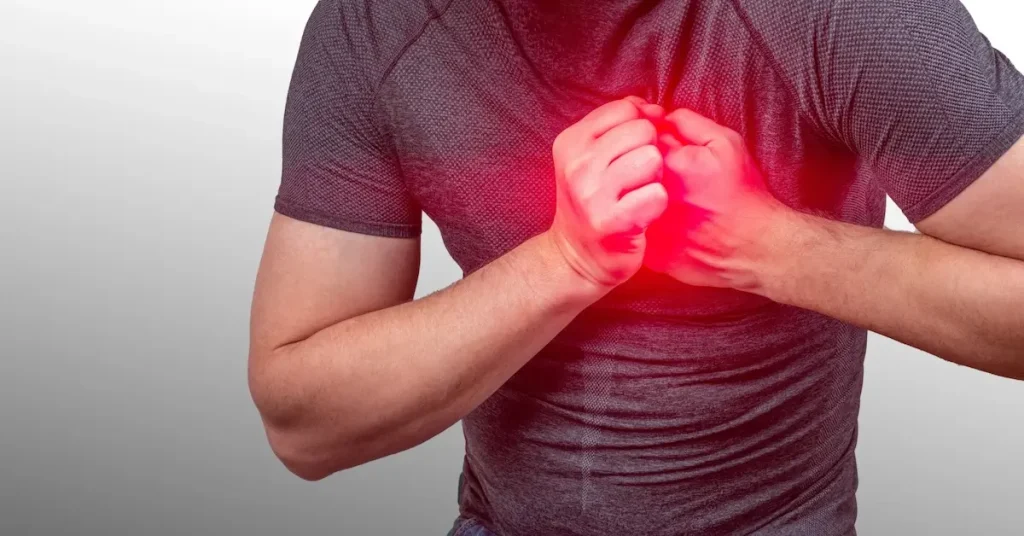
Chest pain Chest pain appears in many forms, ranging from a sharp stab to a dull ache. Sometimes chest pain feels crushing or burning. In certain cases, the pain travels up the neck, into the jaw, and then radiates to the back or down one or both arms. Many different problems can cause chest pain. The most life-threatening causes involve the heart or lungs. Because chest pain can indicate a serious problem, it’s important to seek immediate medical help. Symptoms Chest pain Chest pain can cause many different sensations depending on what’s triggering the symptom. Often, the cause has nothing to do with your heart though there’s no easy way to tell without seeing a doctor. Heart-related chest pain Although chest pain is often associated with heart disease, many people with heart disease say they experience a vague discomfort that isn’t necessarily identified as pain. In general, chest discomfort related to a heart attack or another heart problem may be described by or associated with one or more of the following: Other types of chest pain It can be difficult to distinguish heart-related chest pain from other types of chest pain. However, chest pain that is less likely due to a heart problem is more often associated with: When to see a doctor? If you have new or unexplained chest pain or suspect you’re having a heart attack, call for emergency medical help immediately. Causes Chest pain Chest pain has many possible causes, all of which need medical attention. Heart-related causes Examples of heart-related causes of chest pain include: Heart attack.  A heart attack results from blocked blood flow, often from a blood clot, to your heart muscle. Angina.  Angina is the term for chest pain caused by poor blood flow to the heart. This is often caused by the buildup of thick plaques on the inner walls of the arteries that carry blood to your heart. These plaques narrow the arteries and restrict the heart’s blood supply, particularly during exertion. Aortic dissection.  This life-threatening condition involves the main artery leading from your heart (aorta). If the inner layers of this blood vessel separate, blood is forced between the layers and can cause the aorta to rupture. Pericarditis.  This is the inflammation of the sac surrounding your heart. It usually causes sharp pain that gets worse when you breathe in or when you lie down. Digestive causes Chest pain can be caused by disorders of the digestive system, including: Heartburn.  This painful, burning sensation behind your breastbone occurs when stomach acid washes up from your stomach into the tube that connects your throat to your stomach (esophagus). Swallowing disorders.  Disorders of the esophagus can make swallowing difficult and even painful. Gallbladder or pancreas problems.  Gallstones or inflammation of your gallbladder or pancreas can cause abdominal pain that radiates to your chest. Muscle and bone causes Some types of chest pain are associated with injuries and other problems affecting the structures that make up the chest wall, including: Costochondritis.  In this condition, the cartilage of your rib cage, particularly the cartilage that joins your ribs to your breastbone, becomes inflamed and painful. Sore muscles.  Chronic pain syndromes, such as fibromyalgia, can produce persistent muscle-related chest pain. Injured ribs.  A bruised or broken rib can cause chest pain. Lung-related causes Many lung disorders can cause chest pain, including: Pulmonary embolism.  This occurs when a blood clot becomes lodged in a lung (pulmonary) artery, blocking blood flow to lung tissue. Pleurisy.  If the membrane that covers your lungs becomes inflamed, it can cause chest pain that worsens when you inhale or cough. Collapsed lung.  The chest pain associated with a collapsed lung typically begins suddenly and can last for hours, and is generally associated with shortness of breath. A collapsed lung occurs when air leaks into the space between the lung and the ribs. Pulmonary hypertension.  This condition occurs when you have high blood pressure in the arteries carrying blood to the lungs, which can produce chest pain. Other causes of Chest pain Chest pain can also be caused by: Panic attack.  If you have periods of intense fear accompanied by chest pain, a rapid heartbeat, rapid breathing, profuse sweating, shortness of breath, nausea, dizziness and a fear of dying, you may be experiencing a panic attack. Shingles.  Caused by a reactivation of the chickenpox virus, shingles can produce pain and a band of blisters from your back around to your chest wall. Diagnosis of Chest pain Chest pain doesn’t always signal a heart attack. But that’s what emergency room doctors will test for first because it’s potentially the most immediate threat to your life. They may also check for lifethreatening lung conditions  such as a collapsed lung or a clot in your lung. Immediate tests Some of the first tests your doctor may order include: Electrocardiogram (ECG).  This test records the electrical activity of your heart through electrodes attached to your skin. Because injured heart muscle doesn’t conduct electrical impulses normally, the ECG may show that you have had or are having a heart attack. Blood tests.  Your doctor may order blood tests to check for increased levels of certain proteins or enzymes normally found in heart muscle. Damage to heart cells from a heart attack may allow these proteins or enzymes to leak, over a period of hours, into your blood. Chest X-ray.  An X-ray of your chest allows doctors to check the condition of your lungs and the size and shape of your heart and major blood vessels. A chest X-ray can also reveal lung problems such as pneumonia or a collapsed lung. Computerized tomography (CT scan).  CT scans can spot a blood clot in your lung (pulmonary embolism) or make sure you’re not having aortic dissection. Follow-up testing Depending upon the results from these initial tests, you may need follow-up testing, which may include: Echocardiogram.  An echocardiogram uses sound waves to produce a video image of your heart in motion. A small device may be passed down your

Chest pain Read More »

Colon cancer

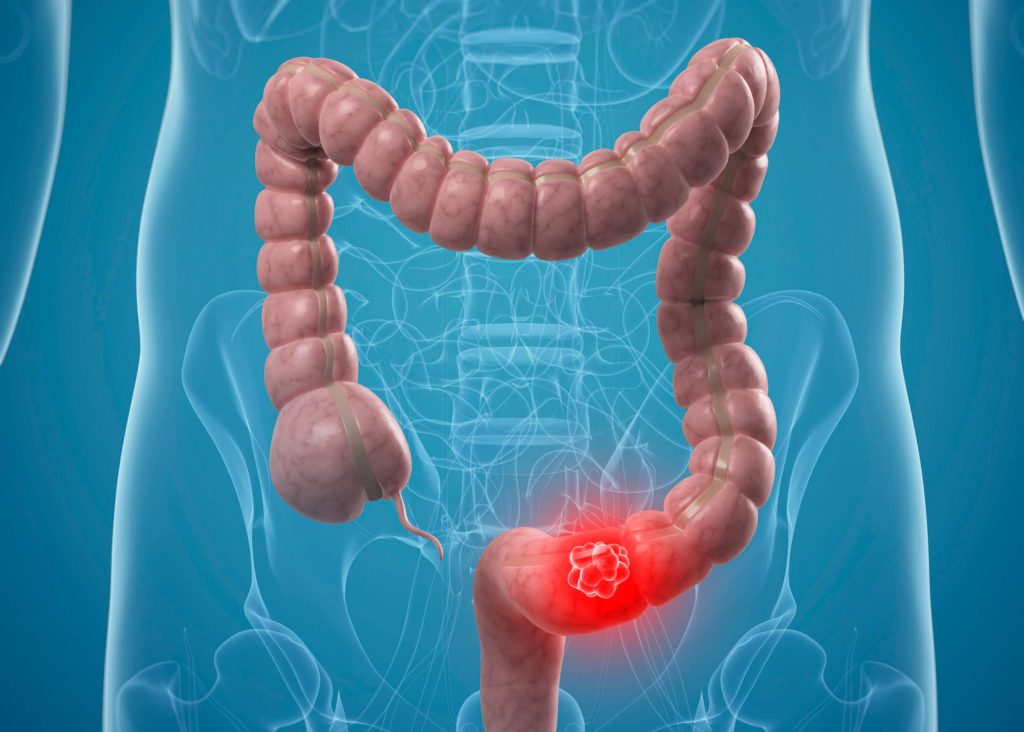
Colon cancer Colon cancer is a type of cancer that begins in the large intestine (colon). The colon is the final part of the digestive tract. Colon cancer typically affects older adults, though it can happen at any age. It usually begins as small, noncancerous (benign) clumps of cells called polyps that form on the inside of the colon. Over time some of these polyps can become colon cancers. Polyps may be small and produce few, if any, symptoms. For this reason, doctors recommend regular screening tests to help prevent colon cancer by identifying and removing polyps before they turn into cancer. If colon cancer develops, many treatments are available to help control it, including surgery, radiation therapy and drug treatments, such as chemotherapy, targeted therapy and immunotherapy. Colon cancer is sometimes called colorectal cancer, which is a term that combines colon cancer and rectal cancer, which begins in the rectum. Symptoms Colon cancer Signs and symptoms of colon cancer include : Many people with colon cancer experience no symptoms in the early stages of the disease. When symptoms appear, they’ll likely vary, depending on the cancer’s size and location in your large intestine. When to see a doctor If you notice any persistent symptoms that worry you, make an appointment with your doctor. Talk with your doctor about when to begin colon cancer screening. Guidelines generally recommend that colon cancer screenings begin around 50. Your doctor may recommend more frequent or earlier screening if you have other risk factors, such as a family history of the disease. Causes Colon cancer Doctors aren’t certain what causes most colon cancers. In general, colon cancer begins when healthy cells in the colon develop changes (mutations) in their DNA. A cell’s DNA contains a set of instructions that tell a cell what to do. Healthy cells grow and divide in an orderly way to keep your body functioning normally. But when a cell’s DNA is damaged and becomes cancerous, cells continue to divide even when new cells aren’t needed. As the cells accumulate, they form a tumor. With time, the cancer cells can grow to invade and destroy normal tissue nearby. And cancerous cells can travel to other parts of the body to form deposits there (metastasis). Risk factors Factors that may increase your risk of colon cancer include: Older age.  Colon cancer can be diagnosed at any age, but a majority of people with colon cancer are older than 50. The rates of colon cancer in people younger than 50 have been increasing, but doctors aren’t sure why. African race African have a greater risk of colon cancer than do people of other races. A personal history of colorectal cancer or polyps.  If you’ve already had colon cancer or noncancerous colon polyps, you have a greater risk of colon cancer in the future. Inflammatory intestinal conditions.  Chronic inflammatory diseases of the colon, such as ulcerative colitis and Crohn’s disease, can increase your risk of colon cancer. Inherited syndromes that increase colon cancer risk.  Some gene mutations passed through generations of your family can increase your risk of colon cancer significantly. Only a small percentage of colon cancers are linked to inherited genes. The most common inherited syndromes that increase colon cancer risk are familial adenomatous polyposis (FAP) and Lynch syndrome, which is also known as hereditary nonpolyposis colorectal cancer (HNPCC).\ Family history of colon cancer.  You’re more likely to develop colon cancer if you have a blood relative who has had the disease. If more than one family member has colon cancer or rectal cancer, your risk is even greater. Low-fiber, high-fat diet.  Colon cancer and rectal cancer may be associated with a typical Western diet, which is low in fiber and high in fat and calories. Research in this area has had mixed results. Some studies have found an increased risk of colon cancer in people who eat diets high in red meat and processed meat. A sedentary lifestyle.  People who are inactive are more likely to develop colon cancer. Getting regular physical activity may reduce your risk of colon cancer. Diabetes.  People with diabetes or insulin resistance have an increased risk of colon cancer. Obesity.  People who are obese have an increased risk of colon cancer and an increased risk of dying of colon cancer when compared with people considered normal weight. Smoking.  People who smoke may have an increased risk of colon cancer. Alcohol.  Heavy use of alcohol increases your risk of colon cancer. Radiation therapy for cancer.  Radiation therapy directed at the abdomen to treat previous cancers increases the risk of colon cancer. Prevention Colon cancer Screening colon cancer Doctors recommend that people with an average risk of colon cancer consider colon cancer screening around age 50. But people with an increased risk, such as those with a family history of colon cancer, should consider screening sooner. Several screening options exist each with its own benefits and drawbacks. Talk about your options with your doctor, and together you can decide which tests are appropriate for you. Lifestyle changes to reduce your risk of colon cancer You can take steps to reduce your risk of colon cancer by making changes in your everyday life. Take steps to : Eat a variety of fruits, vegetables and whole grains.  Fruits, vegetables and whole grains contain vitamins, minerals, fiber and antioxidants, which may play a role in cancer prevention. Choose a variety of fruits and vegetables so that you get an array of vitamins and nutrients. Drink alcohol in moderation, if at all.  If you choose to drink alcohol, limit the amount of alcohol you drink to no more than one drink a day for women and two for men. Stop smoking.  Talk to your doctor about ways to quit that may work for you. Exercise most days of the week.  Try to get at least 30 minutes of exercise on most days. If you’ve been inactive, start slowly and build up gradually to 30 minutes. Also, talk to your doctor

Colon cancer Read More »

Cirrhosis

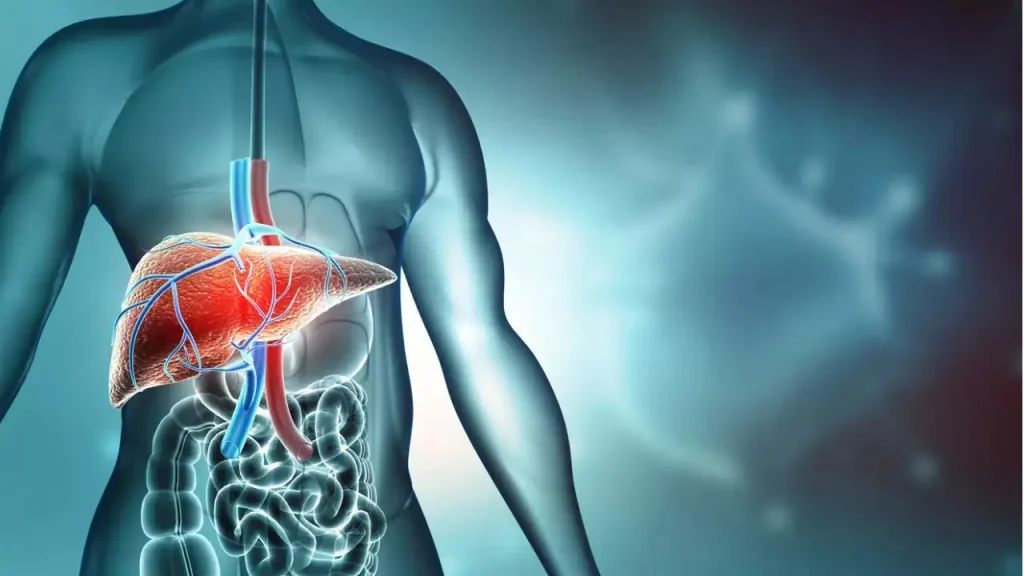
Cirrhosis Cirrhosis is a late stage of scarring (fibrosis) of the liver caused by many forms of liver diseases and conditions, such as hepatitis and chronic alcoholism. Each time your liver is injured  whether by disease, excessive alcohol consumption or another cause  it tries to repair itself. In the process, scar tissue forms. As cirrhosis progresses, more and more scar tissue forms, making it difficult for the liver to function (decompensated cirrhosis). Advanced cirrhosis is life-threatening. The liver damage done by cirrhosis generally can’t be undone. But if liver cirrhosis is diagnosed early and the cause is treated, further damage can be limited and, rarely, reversed. Symptoms Cirrhosis often has no signs or symptoms until liver damage is extensive. When signs and symptoms do occur, they may include: Causes A wide range of diseases and conditions can damage the liver and lead to cirrhosis. Some of the causes include: Risk factors Drinking too much alcohol.  Excessive alcohol consumption is a risk factor for cirrhosis. Being overweight.  Being obese increases your risk of conditions that may lead to cirrhosis, such as nonalcoholic fatty liver disease and nonalcoholic steatohepatitis. Having viral hepatitis.  Not everyone with chronic hepatitis will develop cirrhosis, but it’s one of the world’s leading causes of liver disease. When to see a doctor? Make an appointment with your doctor if you have any of the signs or symptoms listed above. Complications Complications of cirrhosis can include: High blood pressure in the veins that supply the liver (portal hypertension).   Cirrhosis slows the normal flow of blood through the liver, thus increasing pressure in the vein that brings blood to the liver from the intestines and spleen. Swelling in the legs and abdomen.  The increased pressure in the portal vein can cause fluid to accumulate in the legs (edema) and in the abdomen (ascites). Edema and ascites also may result from the inability of the liver to make enough of certain blood proteins, such as albumin. Enlargement of the spleen (splenomegaly).  Portal hypertension can also cause changes to and swelling of the spleen, and trapping of white blood cells and platelets. Decreased white blood cells and platelets in your blood can be the first sign of cirrhosis. Bleeding.  Portal hypertension can cause blood to be redirected to smaller veins. Strained by the extra pressure, these smaller veins can burst, causing serious bleeding. Portal hypertension may cause enlarged veins (varices) in the esophagus (esophageal varices) or the stomach (gastric varices) and lead to life-threatening bleeding. If the liver can’t make enough clotting factors, this also can contribute to continued bleeding. Infections.  If you have cirrhosis, your body may have difficulty fighting infections. Ascites can lead to bacterial peritonitis, a serious infection. Malnutrition.  Cirrhosis may make it more difficult for your body to process nutrients, leading to weakness and weight loss. Buildup of toxins in the brain (hepatic encephalopathy).  A liver damaged by cirrhosis isn’t able to clear toxins from the blood as well as a healthy liver can. These toxins can then build up in the brain and cause mental confusion and difficulty concentrating. With time, hepatic encephalopathy can progress to unresponsiveness or coma. Jaundice.  Jaundice occurs when the diseased liver doesn’t remove enough bilirubin, a blood waste product, from your blood. Jaundice causes yellowing of the skin and whites of the eyes and darkening of urine. Bone disease.  Some people with cirrhosis lose bone strength and are at greater risk of fractures. Increased risk of liver cancer.  A large proportion of people who develop liver cancer have pre-existing cirrhosis. Acute-on-chronic cirrhosis.  Some people end up experiencing multiorgan failure. Researchers now believe this is a distinct complication in some people who have cirrhosis, but they don’t fully understand its causes. Prevention Reduce your risk of cirrhosis by taking these steps to care for your liver: Do not drink alcohol if you have cirrhosis.  If you have liver disease, you should avoid alcohol. Eat a healthy diet.  Choose a plant-based diet that’s full of fruits and vegetables. Select whole grains and lean sources of protein. Reduce the amount of fatty and fried foods you eat. Maintain a healthy weight.  An excess amount of body fat can damage your liver. Talk to your doctor about a weight-loss plan if you are obese or overweight. Reduce your risk of hepatitis.  Sharing needles and having unprotected sex can increase your risk of hepatitis B and C. Ask your doctor about hepatitis vaccinations. If you’re concerned about your risk of liver cirrhosis, talk to your doctor about ways you can reduce your risk. Diagnosis People with early-stage cirrhosis of the liver usually don’t have symptoms. Often, cirrhosis is first detected through a routine blood test or checkup. To help confirm a diagnosis, a combination of laboratory and imaging tests is usually done. Tests Your doctor may order one or more tests that may suggest a problem with your liver, including: Laboratory tests.  Your doctor may order blood tests to check for signs of liver malfunction, such as excess bilirubin, as well as for certain enzymes that may indicate liver damage. To assess kidney function, your blood is checked for creatinine. You’ll be screened for the hepatitis viruses. Your international normalized ratio (INR) is also checked for your blood’s ability to clot. Based on the blood test results, your doctor may be able to diagnose the underlying cause of cirrhosis. He or she can also use blood tests to help identify how serious your cirrhosis is. Imaging tests.  Magnetic resonance elastography (MRE) may be recommended. This noninvasive advanced imaging test detects hardening or stiffening of the liver. Other imaging tests, such as MRI, CT and ultrasound, may also be done. Biopsy.  A tissue sample (biopsy) is not necessarily needed for diagnosis. However, your doctor may use it to identify the severity, extent and cause of liver damage. If you have cirrhosis, your doctor is likely to recommend regular diagnostic tests to monitor for signs of disease progression or complications, especially esophageal varices and liver cancer. Noninvasive

Cirrhosis Read More »

Breast cancer

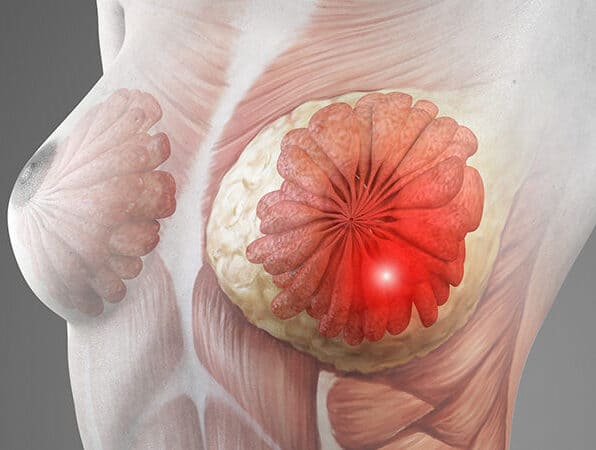
Breast cancer Breast cancer is cancer that forms in the cells of the breasts. After skin cancer, breast cancer is the most common cancer diagnosed in women in the in the world. Breast cancer can occur in both men and women, but it’s far more common in women. Substantial support for breast cancer awareness and research funding has helped created advances in the diagnosis and treatment of breast cancer. Breast cancer survival rates have increased, and the number of deaths associated with this disease is steadily declining, largely due to factors such as earlier detection, a new personalized approach to treatment and a better understanding of the disease. Symptoms of breast cancer Signs and symptoms of breast cancer may include: Causes of Breast cancer Doctors know that breast cancer occurs when some breast cells begin to grow abnormally. These cells divide more rapidly than healthy cells do and continue to accumulate, forming a lump or mass. Cells may spread (metastasize) through your breast to your lymph nodes or to other parts of your body. Breast cancer most often begins with cells in the milk-producing ducts (invasive ductal carcinoma). Breast cancer may also begin in the glandular tissue called lobules (invasive lobular carcinoma) or in other cells or tissue within the breast. Researchers have identified hormonal, lifestyle and environmental factors that may increase your risk of breast cancer. But it’s not clear why some people who have no risk factors develop cancer, yet other people with risk factors never do. It’s likely that breast cancer is caused by a complex interaction of your genetic makeup and your environment. Inherited breast cancer Doctors estimate that about 5 to 10 percent of breast cancers are linked to gene mutations passed through generations of a family. A number of inherited mutated genes that can increase the likelihood of breast cancer have been identified. The most well-known are breast cancer gene 1 (BRCA1) and breast cancer gene 2 (BRCA2), both of which significantly increase the risk of both breast and ovarian cancer. If you have a strong family history of breast cancer or other cancers, your doctor may recommend a blood test to help identify specific mutations in BRCA or other genes that are being passed through your family. Consider asking your doctor for a referral to a genetic counselor, who can review your family health history. A genetic counselor can also discuss the benefits, risks and limitations of genetic testing to assist you with shared decision-making. When to see a doctor? If you find a lump or other change in your breast — even if a recent mammogram was normal — make an appointment with your doctor for prompt evaluation. Risk factors A breast cancer risk factor is anything that makes it more likely you’ll get breast cancer. But having one or even several breast cancer risk factors doesn’t necessarily mean you’ll develop breast cancer. Many women who develop breast cancer have no known risk factors other than simply being women. Factors that are associated with an increased risk of breast cancer include: Being female.  Women are much more likely than men are to develop breast cancer. Increasing age. Your risk of breast cancer increases as you age. A personal history of breast conditions.  If you’ve had a breast biopsy that found lobular carcinoma in situ (LCIS) or atypical hyperplasia of the breast, you have an increased risk of breast cancer. A personal history of breast cancer.  If you’ve had breast cancer in one breast, you have an increased risk of developing cancer in the other breast. A family history of breast cancer.  If your mother, sister or daughter was diagnosed with breast cancer, particularly at a young age, your risk of breast cancer is increased. Still, the majority of people diagnosed with breast cancer have no family history of the disease. Inherited genes that increase cancer risk.  Certain gene mutations that increase the risk of breast cancer can be passed from parents to children. The most well-known gene mutations are referred to as BRCA1 and BRCA2. These genes can greatly increase your risk of breast cancer and other cancers, but they don’t make cancer inevitable. Radiation exposure.  If you received radiation treatments to your chest as a child or young adult, your risk of breast cancer is increased. Obesity.  Being obese increases your risk of breast cancer. Beginning your period at a younger age. Beginning your period before age 12 increases your risk of breast cancer. Beginning menopause at an older age.  If you began menopause at an older age, you’re more likely to develop breast cancer. Having your first child at an older age.  Women who give birth to their first child after age 30 may have an increased risk of breast cancer. Having never been pregnant.  Women who have never been pregnant have a greater risk of breast cancer than do women who have had one or more pregnancies. Postmenopausal hormone therapy.  Women who take hormone therapy medications that combine estrogen and progesterone to treat the signs and symptoms of menopause have an increased risk of breast cancer. The risk of breast cancer decreases when women stop taking these medications. Drinking alcohol.  Drinking alcohol increases the risk of breast cancer. Prevention Breast cancer risk reduction for women with an average risk Making changes in your daily life may help reduce your risk of breast cancer. Try to: Ask your doctor about breast cancer screening.  Discuss with your doctor when to begin breast cancer screening exams and tests, such as clinical breast exams and mammograms. Talk to your doctor about the benefits and risks of screening.  Together, you can decide what breast cancer screening strategies are right for you. Become familiar with your breasts through breast self-exam for breast awareness.  Women may choose to become familiar with their breasts by occasionally inspecting their breasts during a breast self-exam for breast awareness. If there is a new change, lumps or other unusual signs in your breasts, talk to your doctor promptly. Breast

Breast cancer Read More »

Boils and carbuncles

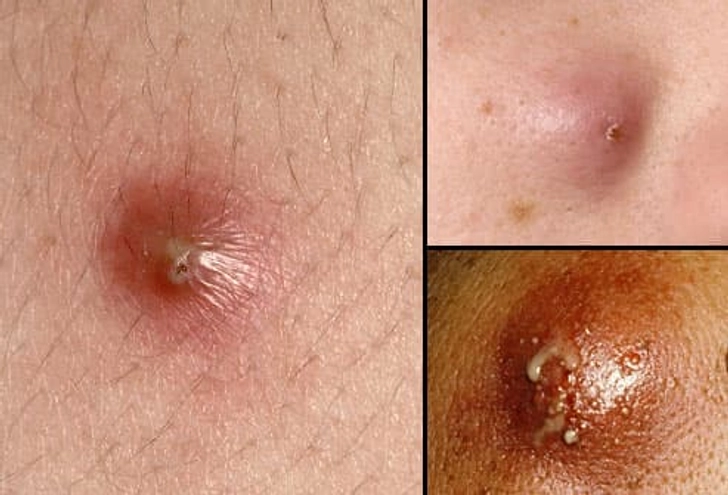
Boils and carbuncles A boil is a painful, pus-filled bump that forms under your skin when bacteria infect and inflame one or more of your hair follicles. A carbuncle is a cluster of boils that form a connected area of infection under the skin. Boils (furuncles) usually start as red, tender bumps. The bumps quickly fill with pus, growing larger and more painful until they rupture and drain. Areas most likely to be affected are the face, back of the neck, armpits, thighs and buttocks. You can usually care for a single boil at home. But don’t attempt to prick or squeeze it ,that may spread the infection. Symptoms Boils Boils can occur anywhere on your skin, but appear mainly on the face, back of the neck, armpits, thighs and buttocks ,hair-bearing areas where you’re most likely to sweat or experience friction.  Signs and symptoms of a boil usually include: Carbuncles A carbuncle is a cluster of boils that form a connected area of infection. Compared with single boils, carbuncles cause a deeper and more severe infection and are more likely to leave a scar. People who have a carbuncle often feel unwell in general and may experience a fever and chills. When to see a doctor? You usually can care for a single, small boil yourself. But see your doctor if you have more than one boil at a time or if a boil: Causes boils Most boils are caused by Staphylococcus aureus, a type of bacterium commonly found on the skin and inside the nose. A bump forms as pus collects under the skin. Boils sometimes develop at sites where the skin has been broken by a small injury or an insect bite, which gives the bacteria easy entry. Risk factors Although anyone including otherwise healthy people can develop boils or carbuncles, the following factors can increase your risk: Close contact with a person who has a staph infection.  You’re more likely to develop an infection if you live with someone who has a boil or carbuncle. Diabetes This disease can make it more difficult for your body to fight infection, including bacterial infections of your skin. Other skin conditions.  Because they damage your skin’s protective barrier, skin problems, such as acne and eczema, make you more susceptible to boils and carbuncles. Compromised immunity.  If your immune system is weakened for any reason, you’re more susceptible to boils and carbuncles. Complications  Rarely, bacteria from a boil or carbuncle can enter your bloodstream and travel to other parts of your body. The spreading infection, commonly known as blood poisoning (sepsis), can lead to infections deep within your body, such as your heart (endocarditis) and bone (osteomyelitis). Prevention It’s not always possible to prevent boils, especially if you have a weakened immune system. But the following measures may help you avoid staph infections: Wash your hands regularly with mild soap.  Or use an alcohol-based hand rub often. Careful hand-washing is your best defense against germs. Keep wounds covered.  Keep cuts and abrasions clean and covered with sterile, dry bandages until they heal. Avoid sharing personal items.  Don’t share towels, sheets, razors, clothing, athletic equipment and other personal items. Staph infections can spread via objects, as well as from person to person. If you have a cut or sore, wash your towels and linens using detergent and hot water with added bleach, and dry them in a hot dryer. Diagnosis Your doctor will likely be able to diagnose a boil or carbuncle simply by looking at it. A sample of the pus may be sent to the lab for testing. This may be useful if you have recurring infections or an infection that hasn’t responded to standard treatment. Many varieties of the bacteria that cause boils have become resistant to certain types of antibiotics. So lab testing can help determine what type of antibiotic would work best in your situation. Treatment You can generally treat small boils at home by applying warm compresses to relieve pain and promote natural drainage. For larger boils and carbuncles, treatment may include: Incision and drainage.  Your doctor may drain a large boil or carbuncle by making an incision in it. Deep infections that can’t be completely drained may be packed with sterile gauze to help soak up and remove additional pus. Antibiotics.  Sometimes your doctor may prescribe antibiotics to help heal severe or recurrent infections. Lifestyle and home remedies For small boils, these measures may help the infection heal more quickly and prevent it from spreading: Warm compresses.  Apply a warm washcloth or compress to the affected area several times a day, for about 10 minutes each time. This helps the boil rupture and drain more quickly. Never squeeze or lance a boil yourself.  This can spread the infection. Prevent contamination.  Wash your hands thoroughly after treating a boil. Also, launder clothing, towels or compresses that have touched the infected area, especially if you have recurrent infections. Visit us on : www.healthalert.co.za   Calls us on : +27 82 0941 375  Email us on : info@healthalert.co.za 

Boils and carbuncles Read More »

Colic

Colic Colic is frequent, prolonged and intense crying or fussiness in a healthy infant. Colic can be particularly frustrating for parents because the baby’s distress occurs for no apparent reason and no amount of consoling seems to bring any relief. These episodes often occur in the evening, when parents themselves are often tired. Episodes of colic usually peak when an infant is about 6 weeks old and decline significantly after 3 to 4 months of age. While the excessive crying will resolve with time, managing colic adds significant stress to caring for your newborn child.You can take steps that may lessen the severity and duration of colic episodes, alleviate your own stress, and bolster confidence in your parent-child connection. SymptomsFussing and crying are normal for infants, especially during the first three months. And the range for what is normal crying is difficult to pin down. In general, colic is defined as crying for three or more hours a day, three or more days a week, for three or more weeks.Features of colic may include the following:

Colic Read More »

Bipolar disorder

Bipolar disorder Bipolar disorder, formerly called manic depression, is a mental health condition that causes extreme mood swings that include emotional highs (mania or hypomania) and lows (depression). When you become depressed, you may feel sad or hopeless and lose interest or pleasure in most activities. When your mood shifts to mania or hypomania (less extreme than mania), you may feel euphoric, full of energy or unusually irritable. These mood swings can affect sleep, energy, activity, judgment, behavior and the ability to think clearly. Episodes of mood swings may occur rarely or multiple times a year. While most people will experience some emotional symptoms between episodes, some may not experience any. Although bipolar disorder is a lifelong condition, you can manage your mood swings and other symptoms by following a treatment plan. In most cases, bipolar disorder is treated with medications and psychological counseling (psychotherapy). Symptoms of Bipolar Disorder There are several types of bipolar and related disorders. They may include mania or hypomania and depression. Symptoms can cause unpredictable changes in mood and behavior, resulting in significant distress and difficulty in life. Bipolar I disorder You’ve had at least one manic episode that may be preceded or followed by hypomanic or major depressive episodes. In some cases, mania may trigger a break from reality (psychosis). Bipolar II disorder You’ve had at least one major depressive episode and at least one hypomanic episode, but you’ve never had a manic episode. Cyclothymic disorder You’ve had at least two years or one year in children and teenagers of many periods of hypomania symptoms and periods of depressive symptoms (though less severe than major depression). Other types These include, for example, bipolar and related disorders induced by certain drugs or alcohol or due to a medical condition, such as Cushing’s disease, multiple sclerosis or stroke. Bipolar II disorder is not a milder form of bipolar I disorder, but a separate diagnosis. While the manic episodes of bipolar I disorder can be severe and dangerous, individuals with bipolar II disorder can be depressed for longer periods, which can cause significant impairment. Although bipolar disorder can occur at any age, typically it’s diagnosed in the teenage years or early 20s. Symptoms can vary from person to person, and symptoms may vary over time. Mania and hypomania Mania and hypomania are two distinct types of episodes, but they have the same symptoms. Mania is more severe than hypomania and causes more noticeable problems at work, school and social activities, as well as relationship difficulties. Mania may also trigger a break from reality (psychosis) and require hospitalization. Both a manic and a hypomanic episode include three or more of these symptoms: Major depressive episode A major depressive episode includes symptoms that are severe enough to cause noticeable difficulty in day-to-day activities, such as work, school, social activities or relationships. An episode includes five or more of these symptoms: Other features of bipolar disorder Signs and symptoms of bipolar I and bipolar II disorders may include other features, such as anxious distress, melancholy, psychosis or others. The timing of symptoms may include diagnostic labels such as mixed or rapid cycling. In addition, bipolar symptoms may occur during pregnancy or change with the seasons. Symptoms in children and teens Symptoms of bipolar disorder can be difficult to identify in children and teens. It’s often hard to tell whether these are normal ups and downs, the results of stress or trauma, or signs of a mental health problem other than bipolar disorder. Children and teens may have distinct major depressive or manic or hypomanic episodes, but the pattern can vary from that of adults with bipolar disorder. And moods can rapidly shift during episodes. Some children may have periods without mood symptoms between episodes. The most prominent signs of bipolar disorder in children and teenagers may include severe mood swings that are different from their usual mood swings. When to see a doctor? Despite the mood extremes, people with bipolar disorder often don’t recognize how much their emotional instability disrupts their lives and the lives of their loved ones and don’t get the treatment they need. And if you’re like some people with bipolar disorder, you may enjoy the feelings of euphoria and cycles of being more productive. However, this euphoria is always followed by an emotional crash that can leave you depressed, worn out and perhaps in financial, legal or relationship trouble. If you have any symptoms of depression or mania, see your doctor or mental health professional. Bipolar disorder doesn’t get better on its own. Getting treatment from a mental health professional with experience in bipolar disorder can help you get your symptoms under control. When to get emergency help? Suicidal thoughts and behavior are common among people with bipolar disorder. If you have thoughts of hurting yourself, call 0800 567 567 for the South Africa suicide crisis line and in Zimbabwe call 0808 4116 or your local emergency number immediately, go to an emergency room, or confide in a trusted relative or friend. Or call Health Alert Professional counselor for help on +263 78 734 7333 If you have a loved one who is in danger of suicide or has made a suicide attempt, make sure someone stays with that person. Call 911 or your local emergency number immediately. Or, if you think you can do so safely, take the person to the nearest hospital emergency room. Causes of Bipolar Disorder The exact cause of bipolar disorder is unknown, but several factors may be involved, such as: Biological differences People with bipolar disorder appear to have physical changes in their brains. The significance of these changes is still uncertain but may eventually help pinpoint causes. Genetics  Bipolar disorder is more common in people who have a first-degree relative, such as a sibling or parent, with the condition. Researchers are trying to find genes that may be involved in causing bipolar disorder. Risk factors of Bipolar  Factors that may increase the risk of developing bipolar disorder or

Bipolar disorder Read More »