March 28, 2025

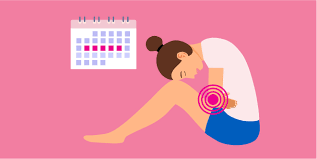
Dysmenorrhea

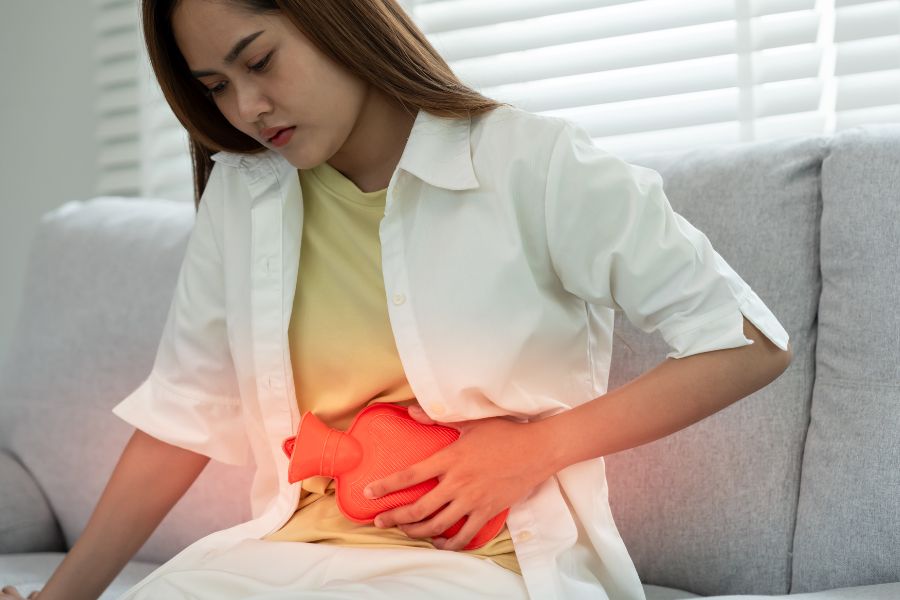
Dysmenorrhea is the medical term for menstrual cramps, or the pain that many women have just before or at the beginning of their periods. This pain usually is not serious. Symptoms of menstrual cramps Menstrual cramps can feel like a dull ache in the abdomen, lower back, hips or inner thighs. The pain may start just before your period or at the beginning of your period and can last 1 to 3 days. The pain may be bad enough to keep you from doing your normal activities. More serious problem Talk to your doctor if you have any of the following symptoms:   Painful periods that started later in life Pain at times other than the first couple of days of your period Unusual vaginal discharge or bleeding Pain that doesn”t go away when you take medicine to relieve it What causes dysmenorrhea? There are two types of dysmenorrhea: Primary dysmenorrhea is pain caused by common menstrual cramps. Secondary dysmenorrhea is pain caused by a disease or condition, such as infection, ovarian cysts (fluid-filled sacs in the ovary), or endometriosis , a problem with the lining of the uterus. Treatment How are painful periods treated? You can try using heating pads or taking a warm bath. You can buy medicines without a prescription to help with the symptoms of PMS. These medicines usually combine aspirin or acetaminophen with caffeine, antihistamines or diuretics. Some brand names include Midol, Pamprin and Premsyn PMS.   Over-the-counter pain relievers can also help with the pain. These include ibuprofen and naproxen . These medicines work well for mild or moderate pain. If these don”t help, you can talk to your doctor about a stronger pain reliever.   Your doctor might want you to try using birth control pills or a birth control shot. These medicines can make your periods less painful.

Dysmenorrhea Read More »

Anemia

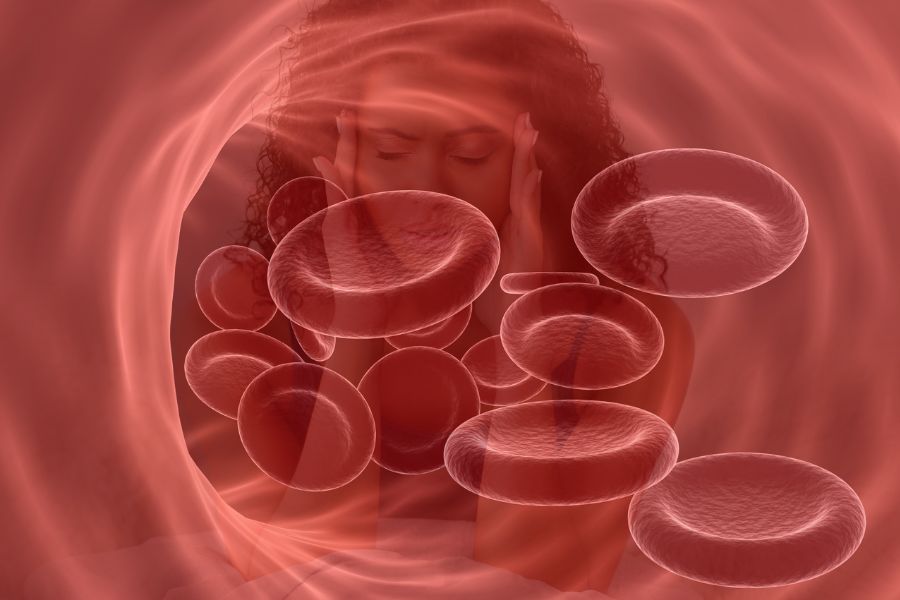
Anemia is a condition in which you don’t have enough healthy red blood cells to carry adequate oxygen to your tissues. Having anemia may make you feel tired and weak. There are many forms of anemia, each with its own cause. Loss of blood is the most common cause of anemia. Anemia can be temporary or long term, and it can range from mild to severe. Treatments for anemia range from taking supplements to undergoing medical procedures. You may be able to prevent some types of anemia by eating a healthy, varied diet. N.B – See your doctor if you suspect you have anemia because anemia can be a sign of serious illnesses.   SYMPTOMS Anemia symptoms vary depending on the cause of your anemia but may include: Fatigue Weakness Pale skin A fast or irregular heartbeat Shortness of breath Chest pain Dizziness Cognitive problems Cold hands and feet Headache Initially, anemia can be so mild it goes unnoticed. But symptoms increase as anemia worsens.   When to see a doctor Make an appointment with your doctor if you’re feeling fatigued for unexplained reasons. Some anemias, such as iron deficiency anemia or vitamin B-12 deficiency, are common. Fatigue has many causes besides anemia, so don’t assume that if you’re tired you must be anemic. Some people learn that their hemoglobin is low, which indicates anemia, when they go to donate blood. Low hemoglobin may be a temporary problem remedied by eating more iron-rich foods or taking a multivitamin containing iron. It may also be a warning sign of bleeding in your body that may be causing you to be deficient in iron. If you’re told that you can’t donate blood because of low hemoglobin, make an appointment with your doctor.   CAUSES Anemia occurs when your blood doesn’t have enough red blood cells. This can happen if:   * Your body doesn’t make enough red blood cells * Bleeding causes you to lose red blood cells more quickly than they can be replaced * Your body destroys red blood cells What red blood cells do Your body makes three types of blood cells , white blood cells to fight infection, platelets to help your blood clot and red blood cells to carry oxygen throughout your body. Red blood cells contain hemoglobin — a red, iron-rich protein that gives blood its red color. Hemoglobin enables red blood cells to carry oxygen from your lungs to all parts of your body and to carry carbon dioxide from other parts of the body to your lungs so that it can be exhaled.   Most blood cells, including red blood cells, are produced regularly in your bone marrow , a red, spongy material found within the cavities of many of your large bones. To produce hemoglobin and red blood cells, your body needs iron, vitamin B-12, folate and other nutrients from the foods you eat. Causes of common types of anemia Common types of anemia and their causes include: Iron deficiency anemia – Iron deficiency anemia is caused by a shortage of the element iron in your body. Your bone marrow needs iron to make hemoglobin. Without adequate iron, your body can’t produce enough hemoglobin for red blood cells.   This type of anemia is often caused by blood loss, such as from heavy menstrual bleeding, an ulcer, cancer, a polyp somewhere in your digestive system, and prolonged use of aspirin or drugs known as nonsteroidal anti-inflammatory drugs (NSAIDs).   Vitamin deficiency anemias – In addition to iron, your body needs folate and vitamin B-12 to produce sufficient numbers of healthy red blood cells. A diet lacking in these and other key nutrients can cause decreased red blood cell production. Additionally, some people may eat enough B-12, but their bodies aren’t able to process the vitamin. This can lead to vitamin deficiency anemia, also known as pernicious anemia. Anemia of chronic disease – Certain chronic diseases,such as cancer, HIV/AIDS, rheumatoid arthritis, Crohn’s disease and other chronic inflammatory diseases can interfere with the production of red blood cells, resulting in chronic anemia. Kidney failure also can cause anemia. Aplastic anemia – This very rare life-threatening anemia is caused by a decrease in the bone marrow’s ability to produce red blood cells. Causes of aplastic anemia include infections, drugs and autoimmune diseases. Anemias associated with bone marrow disease. A variety of diseases, such as leukemia, myelodysplasia or myelofibrosis, can cause anemia by affecting blood production in your bone marrow. The effects of these types of cancer and cancer-like disorders vary from a mild alteration in blood production to a complete life-threatening shutdown of the blood-making process. Other cancers of the blood or bone marrow ,such as multiple myeloma, myeloproliferative disorders and lymphoma also can cause anemia. Hemolytic anemias – This group of anemias develops when red blood cells are destroyed faster than bone marrow can replace them. Certain blood diseases can cause increased red blood cell destruction. You can inherit a hemolytic anemia, or you can develop it later in life.   Sickle cell anemia. This inherited and sometimes serious anemia is caused by a defective form of hemoglobin that forces red blood cells to assume an abnormal crescent (sickle) shape. These irregular-shaped red blood cells die prematurely, resulting in a chronic shortage of red blood cells.   Other anemias. There are several other rarer forms of anemia, such as thalassemia and anemias caused by defective hemoglobin. RISK FACTORS OF ANEMIA These factors place you at increased risk of anemia: A diet lacking in certain vitamins. Choosing a diet that is consistently low in iron, vitamin B-12 and folate increases your risk of anemia. Intestinal disorders. Having an intestinal disorder that affects the absorption of nutrients in your small intestine  such as Crohn’s disease and celiac disease puts you at risk of anemia. Surgical removal of or surgery to the parts of your small intestine where nutrients are absorbed can lead to nutrient deficiencies and anemia. Menstruation. In general, women who haven’t experienced menopause have

Anemia Read More »

Amenorrhea

Amenorrhea is when you don”t have menstrual periods. There are two types of amenorrhea. Primary amenorrhea is when you haven”t ever had a period and you are 16 years of age or older. Secondary amenorrhea is when you have had normal periods but then you don”t have one for 3 or more months in a row. Causes & Risk Factors   Primary amenorrhea can be caused by the following:   Problems with the hypothalamus, which is an area in your brain that interacts with your pituitary gland to regulate your menstrual cycle Abnormal chromosomes Pituitary disease, which affects the pituitary gland. The pituitary gland is located just under the brain and helps regulate your menstrual cycle. An obstruction of the vagina, such as a membrane that is blocking menstrual flow You may develop secondary amenorrhea due to: Pregnancy Use of oral or injected contraceptives, such as birth control pills or Depo-Provera Stress Certain types of medicine, such as antidepressants, chemotherapy medicine and antipsychotics Extremely low body weight A problem with the thyroid, which is another gland that produces hormones that have an effect on menstruation Regular strenuous exercise, like long distance running, especially if body fat is low Treatment   You should see your doctor if you think you have amenorrhea. The following things may help you and your doctor figure out the cause of your amenorrhea: If you could be pregnant, take a home pregnancy test. If your periods aren”t the same every month, write down when they start and how long they last. Then give this information to your doctor. Find out if you have any family members with similar menstrual problems. Remember that it is still possible to get pregnant even if you aren”t having regular periods every month. Treatment depends on what is causing your amenorrhea. It may be as simple as changing your diet and exercise program to help you maintain a healthy weight. You may need medicine. Rarely, surgery is needed

Amenorrhea Read More »

Acne

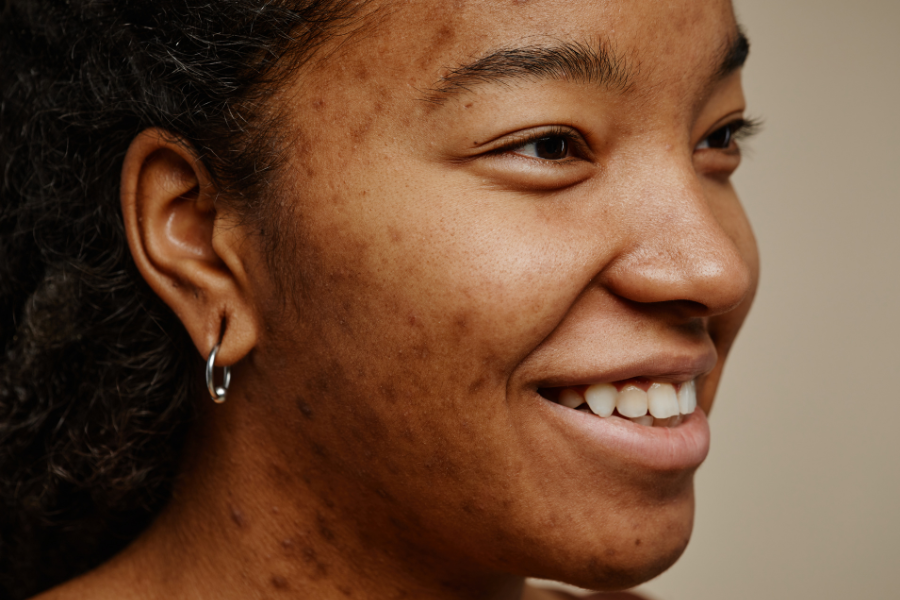
Acne is a skin problem that occurs when the hair follicles of your skin are blocked by a mix of dead skin cells and sebum (oil). When this happens, bacteria can grow in the plugged hair follicles and cause more skin irritation.   Acne can occur anywhere on skin, but is most common on the face, neck, chest, and back. It usually starts in the early teen years, when the oil glands in the body start making more sebum, but can last into or begin in adulthood, too Causes & Risk Factors   Acne occurs when a mix of dead skin cells and sebum block the hair follicles of your skin. There are a few different types of acne:   When the hair follicle becomes plugged with oil and skin cells, a “whitehead” forms in the hair follicle. If the follicle is plugged near the surface of the skin and air touches the plug, it turns black and is called a “blackhead.” A blackhead isn”t caused by dirt. If the wall of a plugged hair follicle breaks, the area swells and turns into a red bump. If the hair follicle wall breaks near the skin surface, the bump usually becomes a pimple. If the follicle wall breaks deep in the skin, acne nodules or cysts can form. This is called “cystic acne.” Who gets acne more often between boys and girls Both boys and girls get acne. But it may be worse in boys because they have more skin oils. For many people, acne symptoms fade by the age of 25, but they can continue well into the adult years.   Family history also plays a role. If your mother and father had bad acne, you may have it, too.   Your immune system plays a role too. Some people are extra sensitive to the bacteria that get trapped in their hair follicles. Things that often make acne worse Hormonal changes, especially during puberty, before your monthly period (in women), or during pregnancy Certain medications Certain cosmetics, such as oil-based makeup, suntan oil, and hair products Stress Squeezing or picking at skin blemishes Hard scrubbing of the skin Treatment How can acne be treated Many treatments are available for acne, including over-the-counter and prescription medicines.   Benzoyl peroxide and salicylic acid are the most common and most effective over-the-counter medicines for acne. These medicines kill bacteria, dry up skin oil, and make your skin peel off. They are available in many forms, such as gels, lotions, creams, soaps, or pads. Keep in mind that it can take up to 8 weeks before you notice an improvement in the appearance of your skin. If an over-the-counter acne product doesn”t seem to help after 2 months, talk to your doctor. In some people, over-the-counter acne medications may cause side effects such as skin irritation, burning, or redness. Tell your doctor if you have side effects that are severe or that don”t go away over time. Prescription medicines If over-the-counter medicines are not effective, your doctor may prescribe one or more of the following medicines:   A retinoid cream or gel: Retinoids, such as tretinoin and adapalene, are usually applied to the skin once a day. Be sure not to get them near your eyes, mouth, and the area under your nose. If you use a retinoid, you must avoid the sun or use a strong sunscreen because this medicine increases your risk of sunburn. Women who are pregnant or may become pregnant should not use a retinoid called tazarotene because it can cause birth defects. Antibiotics: If your acne is severe, your doctor may prescribe an antibiotic to treat it. Antibiotics such as minocycline, doxycycline, and tetracycline reduce bacteria and inflammation, and can be used in combination with other treatments for acne, such as benzoyl peroxide. Antibiotics can be taken by mouth or used on the skin as a lotion, cream, or gel. Erythromycin and clindamycin are 2 antibiotics used in topical lotions and gels for acne. Isotretinoin: Isotretinoin is a strong medicine used to treat very bad acne. This medicine can cause serious side effects. You will need to carefully follow your doctor’s instructions for taking the medicine, and your doctor will monitor you closely. Learn more about isotretinoin. Birth control pills: Birth control pills can help treat acne in women. Talk to your doctor about the pros and cons of taking birth control pills for acne. other treatments? In addition to or in combination with medicines, cosmetic procedures such as peels, skin abrasion (dermabrasion or microderm abrasion), and laser or light treatments may help treat acne. These treatments may also help reduce acne scars. Individual large acne cysts often respond dramatically to small injections of steroid medication by your family doctor or a dermatologist. Lifestyle changes such as healthy diet and regular exercise may also help treat or prevent acne. Complications   Acne, especially cystic acne, can cause scars in some people. You can help reduce scarring by not squeezing or picking at blemishes. Also, avoid scrubbing your skin. If you do get scars, treatments to help reduce scarring are available

Acne Read More »

Infertility

Infertility means that couples have been trying to get pregnant with frequent intercourse for at least a year with no success. Female infertility, male infertility or a combination of the two affects millions of couples in the around the world. An estimated 10 to 15 percent of couples have trouble getting pregnant or getting to a successful delivery.   Infertility results from female infertility factors about one-third of the time and male infertility factors about one-third of the time. In the rest, the cause is either unknown or a combination of male and female factors. The cause of female infertility can be difficult to diagnose, but many treatments are available. Treatment options depend on the underlying problem. Treatment isn’t always necessary , many infertile couples will go on to conceive a child spontaneously.     SYMPTOMS The main symptom of infertility is the inability of a couple to get pregnant. A menstrual cycle that’s too long (35 days or more), too short (less than 21 days), irregular or absent can be a sign of lack of ovulation, which can be associated with female infertility. There may be no other outward signs or symptoms.   When to see a doctor When to seek help depends, in part, on your age. If you’re in your early 30s or younger, most doctors recommend trying to get pregnant for at least a year before having any testing or treatment. If you’re between 35 and 40, discuss your concerns with your doctor after six months of trying. If you’re older than 40, your doctor may want to begin testing or treatment right away. Your doctor also may want to begin testing or treatment right away if you or your partner has known fertility problems, or if you have a history of irregular or painful periods, pelvic inflammatory disease, repeated miscarriages, prior cancer treatment, or endometriosis.   CAUSES To become pregnant, each of these factors is essential : You need to ovulate. Achieving pregnancy requires that your ovaries produce and release an egg, a process known as ovulation. Your doctor can help evaluate your menstrual cycles and confirm ovulation. Your partner needs sperm. For most couples, this isn’t a problem unless your partner has a history of illness or surgery. Your doctor can run some simple tests to evaluate the health of your partner’s sperm. You need to have regular intercourse. You need to have regular sexual intercourse during your fertile time. Your doctor can help you better understand when you’re most fertile during your cycle. You need to have open fallopian tubes and a normal uterus. The egg and sperm meet in the fallopian tubes, and the pregnancy needs a healthy place to grow. For pregnancy to occur, every part of the complex human reproduction process has to take place just right. The steps in this process are as follows: * One of the two ovaries releases a mature egg.               * The egg is picked up by the fallopian tube.               * Sperm swim up the cervix, through the uterus and into the fallopian tube to reach the egg    for fertilization.              * The fertilized egg travels down the fallopian tube to the uterus.              * The fertilized egg implants and grows in the uterus. N.B – In women, a number of factors can disrupt this process at any step. Female infertility is caused by one or more of these factors. Ovulation disorders Ovulation disorders, meaning you ovulate infrequently or not at all, account for infertility in about 25 percent of infertile couples. These can be caused by flaws in the regulation of reproductive hormones by the hypothalamus or the pituitary gland, or by problems in the ovary itself. Polycystic ovary syndrome (PCOS). In PCOS, complex changes occur in the hypothalamus, pituitary gland and ovaries, resulting in a hormone imbalance, which affects ovulation. PCOS is associated with insulin resistance and obesity, abnormal hair growth on the face or body, and acne. It’s the most common cause of female infertility. Hypothalamic dysfunction. The two hormones responsible for stimulating ovulation each month , follicle-stimulating hormone (FSH) and luteinizing hormone (LH) ,are produced by the pituitary gland in a specific pattern during the menstrual cycle. Excess physical or emotional stress, a very high or very low body weight, or a recent substantial weight gain or loss can disrupt this pattern and affect ovulation. The main sign of this problem is irregular or absent periods. Premature ovarian insufficiency. This disorder is usually caused by an autoimmune response where your body mistakenly attacks ovarian tissues or by premature loss of eggs from your ovary due to genetic problems or environmental insults such as chemotherapy. It results in the loss of the ability to produce eggs by the ovary, as well as a decreased estrogen production under the age of 40. Too much prolactin. Less commonly, the pituitary gland can cause excess production of prolactin (hyperprolactinemia), which reduces estrogen production and may cause infertility. Most commonly this is due to a problem in the pituitary gland, but it can also be related to medications you’re taking for another disease. Damage to fallopian tubes (tubal infertility) When fallopian tubes become damaged or blocked, they keep sperm from getting to the egg or block the passage of the fertilized egg into the uterus. Causes of fallopian tube damage or blockage can include :   * Pelvic inflammatory disease, an infection of the uterus and fallopian tubes due to chlamydia, gonorrhea or other sexually transmitted infections * Previous surgery in the abdomen or pelvis, including surgery for ectopic pregnancy, in which a fertilized egg becomes implanted and starts to develop in a fallopian tube instead of the uterus * Pelvic tuberculosis, a major cause of tubal infertility worldwide. * Endometriosis Endometriosis occurs when tissue that normally grows in the uterus implants and grows in other locations. This extra tissue growth  and the surgical removal of it  can cause scarring, which may obstruct the tube and keep the egg and sperm from uniting.

Infertility Read More »

Headache

Acne is a skin problem that occurs when the hair follicles of your skin are blocked by a mix of dead skin cells and sebum (oil). When this happens, bacteria can grow in the plugged hair follicles and cause more skin irritation.   Acne can occur anywhere on skin, but is most common on the face, neck, chest, and back. It usually starts in the early teen years, when the oil glands in the body start making more sebum, but can last into or begin in adulthood, too. Causes & Risk Factors   Acne occurs when a mix of dead skin cells and sebum block the hair follicles of your skin. There are a few different types of acne:   When the hair follicle becomes plugged with oil and skin cells, a “whitehead” forms in the hair follicle. If the follicle is plugged near the surface of the skin and air touches the plug, it turns black and is called a “blackhead.” A blackhead isn”t caused by dirt. If the wall of a plugged hair follicle breaks, the area swells and turns into a red bump. If the hair follicle wall breaks near the skin surface, the bump usually becomes a pimple. If the follicle wall breaks deep in the skin, acne nodules or cysts can form. This is called “cystic acne.” Who gets acne most between boys and girls? Both boys and girls get acne. But it may be worse in boys because they have more skin oils. For many people, acne symptoms fade by the age of 25, but they can continue well into the adult years.   Family history also plays a role. If your mother and father had bad acne, you may have it, too.   Your immune system plays a role too. Some people are extra sensitive to the bacteria that get trapped in their hair follicles   Things that often make acne worse Hormonal changes, especially during puberty, before your monthly period (in women), or during pregnancy Certain medications Certain cosmetics, such as oil-based makeup, suntan oil, and hair products Stress Squeezing or picking at skin blemishes Hard scrubbing of the skin Treatment How can acne be treated Many treatments are available for acne, including over-the-counter and prescription medicines. Over-the-counter treatments are : Benzoyl peroxide and salicylic acid are the most common and most effective over-the-counter medicines for acne. These medicines kill bacteria, dry up skin oil, and make your skin peel off. They are available in many forms, such as gels, lotions, creams, soaps, or pads. Keep in mind that it can take up to 8 weeks before you notice an improvement in the appearance of your skin. If an over-the-counter acne product doesn”t seem to help after 2 months, talk to your doctor. In some people, over-the-counter acne medications may cause side effects such as skin irritation, burning, or redness. Tell your doctor if you have side effects that are severe or that don”t go away over time Prescription medicines If over-the-counter medicines are not effective, your doctor may prescribe one or more of the following medicines:   A retinoid cream or gel: Retinoids, such as tretinoin and adapalene, are usually applied to the skin once a day. Be sure not to get them near your eyes, mouth, and the area under your nose. If you use a retinoid, you must avoid the sun or use a strong sunscreen because this medicine increases your risk of sunburn. Women who are pregnant or may become pregnant should not use a retinoid called tazarotene because it can cause birth defects. Antibiotics: If your acne is severe, your doctor may prescribe an antibiotic to treat it. Antibiotics such as minocycline, doxycycline, and tetracycline reduce bacteria and inflammation, and can be used in combination with other treatments for acne, such as benzoyl peroxide. Antibiotics can be taken by mouth or used on the skin as a lotion, cream, or gel. Erythromycin and clindamycin are 2 antibiotics used in topical lotions and gels for acne. Isotretinoin: Isotretinoin is a strong medicine used to treat very bad acne. This medicine can cause serious side effects. You will need to carefully follow your doctor’s instructions for taking the medicine, and your doctor will monitor you closely. Learn more about isotretinoin. Birth control pills: Birth control pills can help treat acne in women. Talk to your doctor about the pros Other treatments In addition to or in combination with medicines, cosmetic procedures such as peels, skin abrasion (dermabrasion or microderm abrasion), and laser or light treatments may help treat acne. These treatments may also help reduce acne scars. Individual large acne cysts often respond dramatically to small injections of steroid medication by your family doctor or a dermatologist. Lifestyle changes such as healthy diet and regular exercise may also help treat or prevent acne. Complications   Acne, especially cystic acne, can cause scars in some people. You can help reduce scarring by not squeezing or picking at blemishes. Also, avoid scrubbing your skin. If you do get scars, treatments to help reduce scarring are available.

Headache Read More »